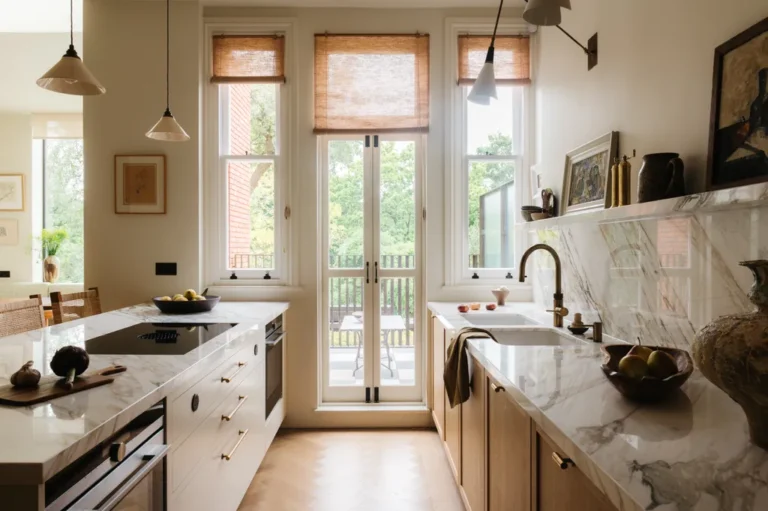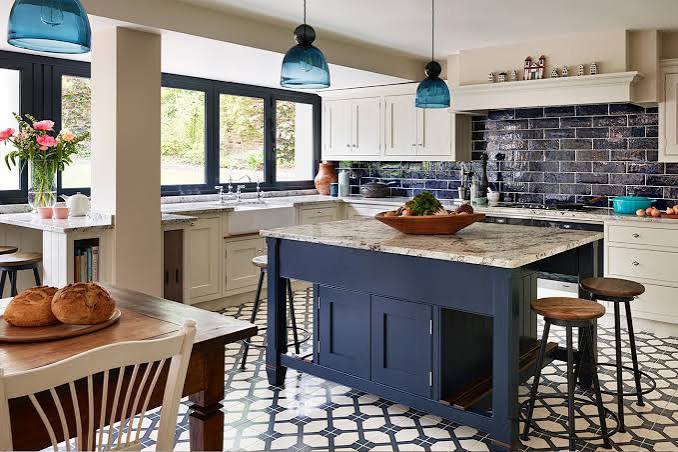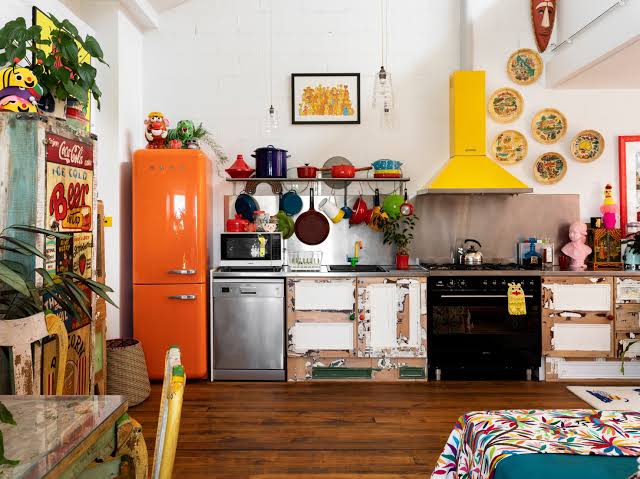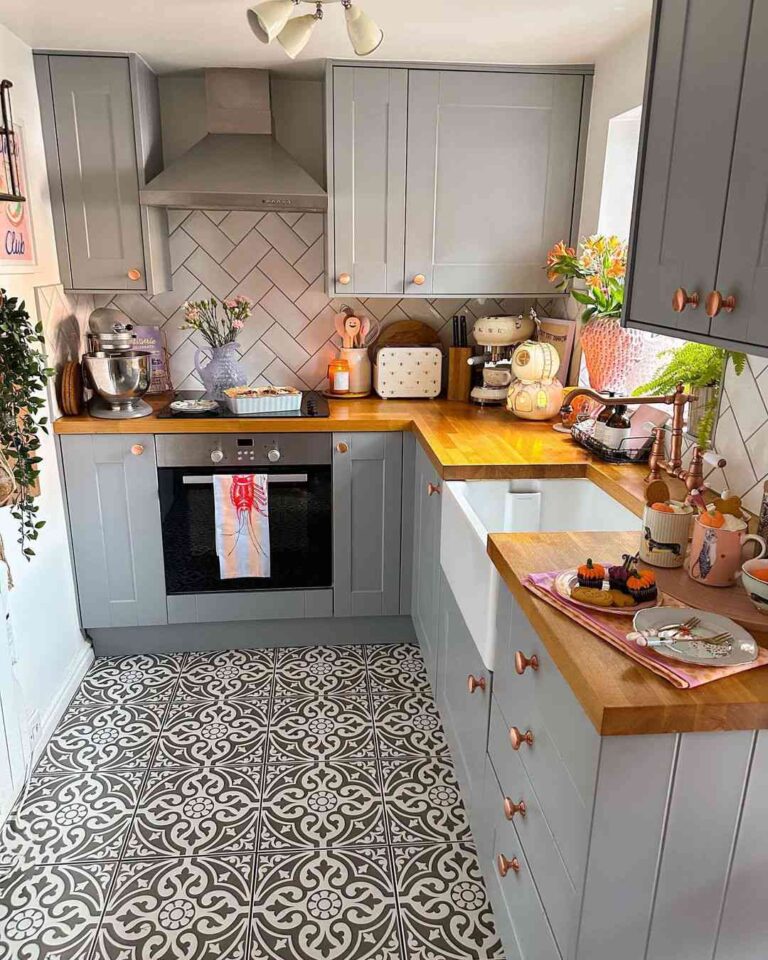
Corner kitchen cabinets can completely change the way a kitchen looks and functions. These often-overlooked spaces can become useful storage areas, beautiful display zones, or stylish design features with the right approach.
I love how a well-planned corner cabinet can make a kitchen feel more organized without taking away its character. Whether you have a small kitchen, a modern cooking space, or a traditional home, there are plenty of creative options to explore. In this article, you’ll find 22 corner kitchen cabinet ideas that combine style, storage, and everyday practicality to help inspire your next kitchen update.
1. Classic L-Shaped Corner Kitchen Cabinets

L-shaped kitchen cabinets are a popular choice for making corner spaces feel connected and organized. This layout allows cabinets to meet naturally along two walls while creating an efficient work area. You can use matching cabinet doors for a seamless appearance or combine different finishes for added character. Light wood, white, and soft gray are excellent choices for a welcoming kitchen. Consider installing drawers, shelves, or a corner storage system to make the space more useful.
A well-designed L-shaped cabinet arrangement can give your kitchen a balanced appearance without making it feel crowded.
2. White Corner Cabinets For A Bright Kitchen

White corner cabinets can make a kitchen feel brighter, cleaner, and more spacious. This option works particularly well in smaller kitchens where dark finishes may make the room appear enclosed. Choose simple shaker doors for a traditional appearance or flat-panel cabinets for a modern look.
You can introduce warmth with wooden countertops, brass handles, or woven accessories. Open shelves placed beside the corner cabinet can also prevent the space from looking too uniform. Use practical interior organizers to ensure the cabinet remains useful rather than becoming a difficult area for storing everyday items.
3. Corner Cabinet With Lazy Susan Storage

A lazy Susan is one of the most practical solutions for deep corner cabinets. Instead of reaching into a dark and difficult space, you can rotate the shelves to access pots, pans, jars, and kitchen supplies. This storage feature is especially helpful in busy kitchens where every inch of space matters.
Choose a cabinet design that matches the rest of your kitchen for a cohesive finish. Before installation, check the cabinet dimensions and rotating mechanism carefully. A properly fitted lazy Susan can reduce wasted space and make daily cooking routines more comfortable.
4. Open Corner Shelving

Open corner shelving offers a lighter alternative to traditional closed cabinets. It can make an unused corner feel more decorative while providing space for plates, mugs, cookbooks, and small plants. Wooden shelves create warmth, while white or metal shelves offer a contemporary appearance. Try arranging items at different heights to create a balanced display. Avoid filling every shelf, as too many objects can make the corner look messy.
This idea works especially well for homeowners who want their kitchen to feel personal, inviting, and visually connected to the rest of the home.
5. Corner Pantry Cabinet

A corner pantry cabinet can provide valuable storage for dry ingredients, appliances, and bulk kitchen supplies. Tall cabinets use vertical space efficiently and can help keep countertops clear. You can choose pull-out shelves, adjustable racks, or separate compartments for different categories of items.
A pantry with solid doors creates a clean appearance, while glass panels can offer a more decorative touch. Think about the items you use most often when planning the interior. Keeping frequently used ingredients at an accessible height will make the cabinet more convenient for everyday cooking.
6. Glass-Front Corner Cabinets

Glass-front corner cabinets can add elegance without making the kitchen feel too heavy. They allow you to display attractive dishes, glassware, serving bowls, or decorative pieces while protecting items from dust. Clear glass creates an open appearance, while frosted or textured glass offers a softer look.
Interior lighting can highlight the contents and create a warm atmosphere in the evening. Keep the display organized by grouping similar colors and materials. This design is ideal for kitchens where you want storage to become part of the room’s overall decorative style.
7. Corner Base Cabinet With Deep Drawers

Deep drawers can make a corner base cabinet easier to use than traditional hinged doors. Wide drawers provide space for cookware, cutting boards, baking equipment, and other kitchen essentials. With the right drawer system, you can see the contents quickly instead of searching through a deep cabinet. Choose strong hardware designed to support heavier items.
A neutral finish keeps the cabinet visually consistent with the kitchen, while contrasting handles can add personality. This solution is worth considering if you want convenient storage and a cleaner countertop without adding extra furniture to the room.
8. Rustic Wood Corner Cabinets

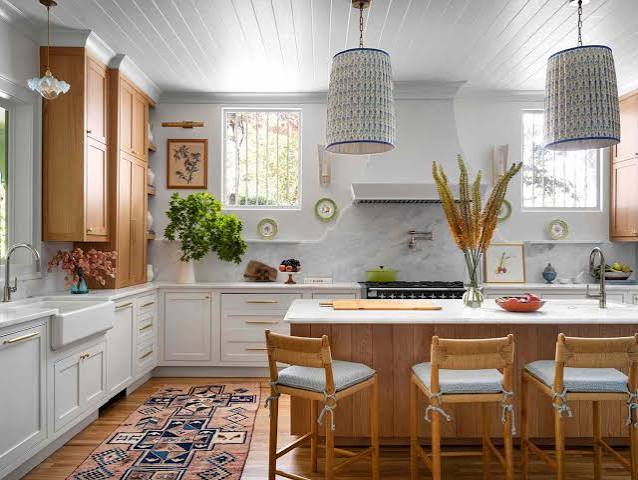
Rustic wood corner cabinets can give a kitchen a warm and welcoming atmosphere. Natural wood grain, visible knots, and traditional hardware help create a relaxed farmhouse-inspired appearance. You can pair wooden cabinets with stone countertops, ceramic tiles, or vintage-style lighting for added character. If solid wood feels too dark, choose a lighter stain or combine wood doors with painted cabinets. Rustic finishes also work well with open shelving and woven storage baskets.
Focus on maintaining a practical layout so the charming appearance does not interfere with movement or countertop space.
9. Modern Minimalist Corner Cabinets

Minimalist corner cabinets focus on clean lines, simple finishes, and practical storage. Flat-panel doors, handleless designs, and neutral colors can help the kitchen feel calm and uncluttered.
A corner cabinet in white, beige, charcoal, or natural wood can blend smoothly with surrounding units. Use internal organizers to keep appliances and cookware hidden when they are not needed. Avoid adding too many decorative elements if you prefer a streamlined appearance. This idea is particularly suitable for modern kitchens where the cabinet design needs to feel elegant without overwhelming the available space.
10. Corner Cabinet With Built-In Lighting

Built-in lighting can make corner cabinets more functional and visually attractive. LED strips installed beneath shelves or inside glass-front doors can illuminate dark areas and make stored items easier to find. Warm white lighting creates a comfortable atmosphere, while cooler lighting may suit a contemporary kitchen.
Ensure that electrical connections are installed safely and planned before the cabinets are finished. Lighting can also highlight decorative dishes, plants, and textured materials. Even a small corner cabinet can become a noticeable feature when the illumination is subtle and positioned thoughtfully.
11. Corner Cabinet With Open Coffee Station

Turn an unused kitchen corner into a dedicated coffee station with a compact cabinet arrangement. Use the lower cabinets to store mugs, coffee beans, and equipment, while open shelves hold attractive cups or jars. A small countertop area can accommodate a coffee machine and kettle without taking over the main preparation zone.
Choose finishes that coordinate with your existing kitchen. Adding warm lighting or a small framed print can make the area feel inviting. Keep the station close to an electrical outlet and leave enough space for comfortable use.
12. Two-Tone Corner Kitchen Cabinets

Two-tone cabinets can give a corner kitchen area more depth and visual interest. You might combine white upper cabinets with dark green or navy lower cabinets, or pair painted doors with natural wood. This approach helps define different sections of the kitchen while maintaining a coordinated appearance. Use similar hardware or countertops to connect the contrasting finishes.
If your kitchen is small, consider using a lighter color on the upper section to preserve an open feeling. Carefully chosen tones can make the corner feel intentional rather than like an afterthought.
13. Corner Cabinet With Appliance Garage

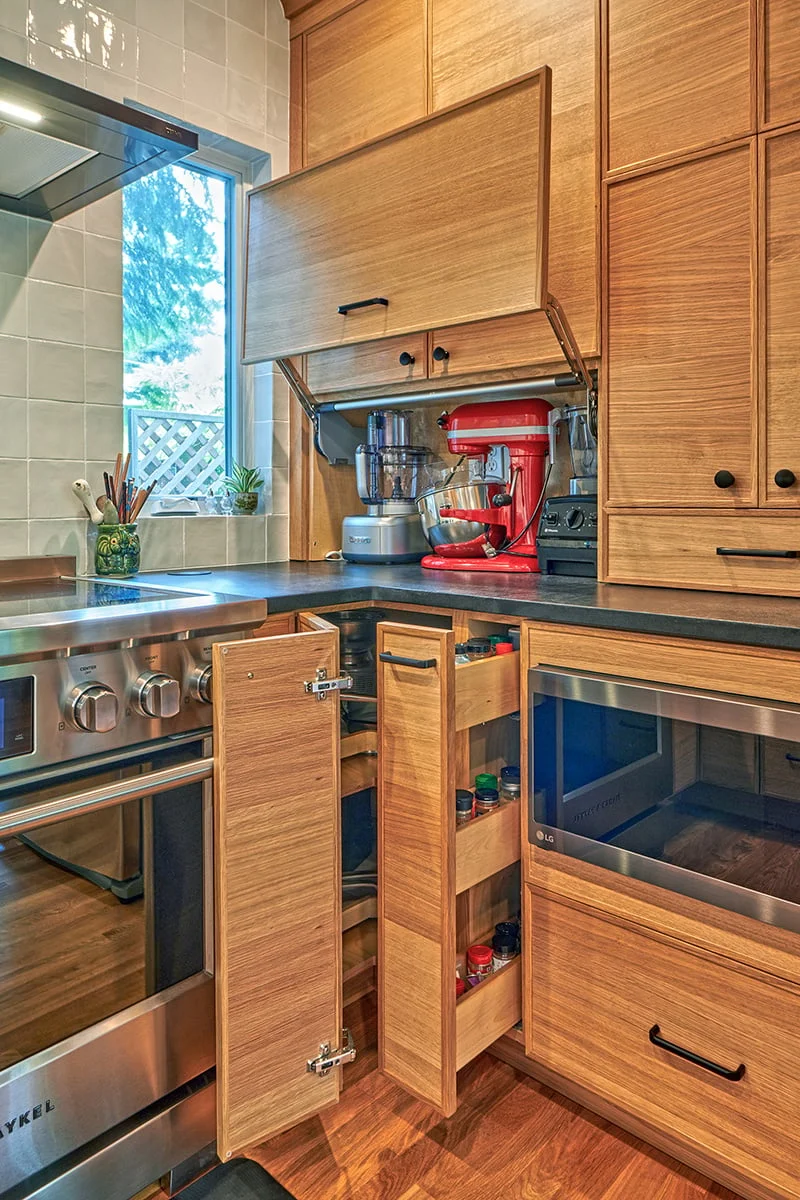
An appliance garage can help hide small appliances while keeping them easy to access. A corner cabinet with a roll-up, lift-up, or hinged door can store a toaster, blender, coffee machine, or mixer. This design is useful for homeowners who want clear countertops without putting appliances away after every use.
Check the cabinet’s ventilation, electrical access, and internal dimensions before installation. Use a finish that matches the surrounding cabinets for a seamless appearance. A carefully planned appliance garage can make the kitchen look tidy while supporting practical daily routines.
14. Corner Cabinet With Decorative Backsplash

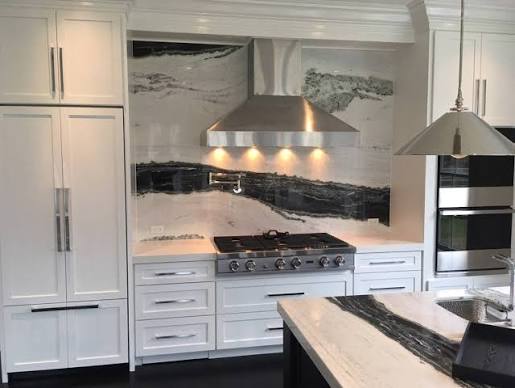
A decorative backsplash can bring attention to a corner cabinet and add personality to the kitchen. Patterned tiles, handmade ceramic finishes, marble designs, or subtle mosaics can create an attractive background. If the cabinet doors are simple, a detailed backsplash can provide contrast without requiring a major cabinet replacement.
Choose materials that are easy to clean, particularly if the corner is close to the sink or cooking area. Keep the colors connected to the countertop and cabinet finish so the space feels coordinated rather than visually busy.
15. Corner Sink Cabinet

A corner sink cabinet can make use of an awkward kitchen layout while creating an attractive focal point. This arrangement is often paired with a window, allowing natural light to brighten the washing area. Storage beneath the sink can hold cleaning supplies, bins, and plumbing accessories, although the interior needs to accommodate pipes.
Choose moisture-resistant materials and ensure that plumbing access remains convenient. A corner sink can work well in traditional and contemporary kitchens, but careful planning is important so the sink, dishwasher, and preparation areas remain comfortable to use.
16. Corner Cabinet With Pull-Out Shelves
Pull-out shelves make deep corner cabinets easier to access and organize. Instead of reaching toward the back of the cabinet, you can bring stored items forward using sliding shelves or specialized corner mechanisms. This feature is useful for heavy pots, baking supplies, containers, and pantry goods.
Choose durable hardware with a suitable weight capacity, especially if you plan to store cookware. Pull-out storage may cost more than a basic cabinet interior, but it can improve convenience significantly. Measure the available space carefully to ensure the shelves operate smoothly.
17. Farmhouse Corner Cabinet Design

A farmhouse corner cabinet can bring a cozy and familiar feeling to the kitchen. Cream-colored doors, natural wood accents, beadboard details, and vintage-style handles are useful design elements. You can display ceramic plates or woven baskets on nearby shelves to strengthen the farmhouse appearance.
A slightly distressed finish may add character, but choose a surface that remains easy to clean. Combine the cabinet with warm lighting and simple countertop accessories. The goal is to create a comfortable kitchen that feels lived-in while still providing enough practical storage.
18. Corner Cabinet With Built-In Wine Storage

A corner cabinet can be adapted into a dedicated beverage or wine storage area. Depending on your preferences, the space may hold bottles, glasses, coffee accessories, or specialty drinks. Built-in racks and adjustable shelving can help keep everything organized.
Ensure the storage design is appropriate for the type of items you plan to keep there, particularly if temperature or humidity matters. A glass door can create a display feature, while a closed cabinet offers a more discreet appearance. Choose a layout that fits your lifestyle and available kitchen space.
19. Corner Cabinet With Seating Nook

If your kitchen has enough space, a corner cabinet arrangement can be combined with a small seating nook. Lower cabinets may provide storage beneath a bench, while upper cabinets or shelves use the nearby wall space. This setup can create a comfortable area for morning coffee, casual meals, or family conversations.
Choose durable upholstery and easy-to-clean surfaces if the nook will be used frequently. Keep walkways clear and measure the seating area carefully. A well-planned corner nook can make the kitchen feel more social and welcoming.
20. Dark Green Corner Kitchen Cabinets

Dark green corner cabinets can introduce a rich and natural color into the kitchen. Shades such as forest green, olive, and muted sage can work with brass handles, wooden countertops, or light stone surfaces. If the kitchen receives limited natural light, balance the darker cabinets with a pale backsplash and bright task lighting.
Green cabinets can suit both traditional and contemporary spaces depending on the door style and hardware. Use the corner as a feature area or continue the color throughout the kitchen for a more unified appearance.
21. Small Corner Cabinet For Compact Kitchens
Small kitchens require thoughtful cabinet planning, especially around corners where space can easily be wasted.
A compact corner cabinet with adjustable shelves, narrow drawers, or a vertical pull-out system can provide useful storage without making the room feel cramped. Light finishes and simple door designs may help the space appear more open. Avoid choosing oversized hardware or bulky decorative details. Measure the available floor area and consider how cabinet doors will open. Even a small corner solution can improve kitchen organization when every dimension is planned carefully.
22. Corner Display Cabinet With Decorative Details

A decorative corner display cabinet can combine storage with a beautiful focal point. Glass doors, arched details, fluted panels, or traditional molding can give the cabinet a distinctive appearance. Use the interior to display dishes, cookbooks, ceramics, or objects that add personality to the kitchen. Keep the arrangement simple so the cabinet does not appear overcrowded. Warm lighting can highlight the display, especially during the evening.
This idea works well when you want your kitchen to feel more personal and inviting without replacing every cabinet in the room.
Corner kitchen cabinets can make a noticeable difference in the appearance and functionality of your cooking space. With the right layout, even an awkward corner can become useful storage, a decorative display, or a comfortable gathering area. Options such as lazy Susans, pull-out shelves, glass doors, open shelving, and built-in lighting offer practical ways to improve your kitchen.
Choose a cabinet style that suits your space, daily habits, and preferred aesthetic. A thoughtful corner design can help your kitchen feel more organized, welcoming, and complete while making better use of the available room.