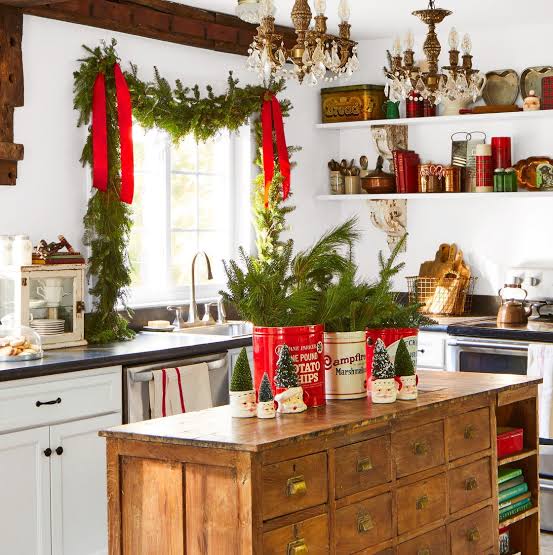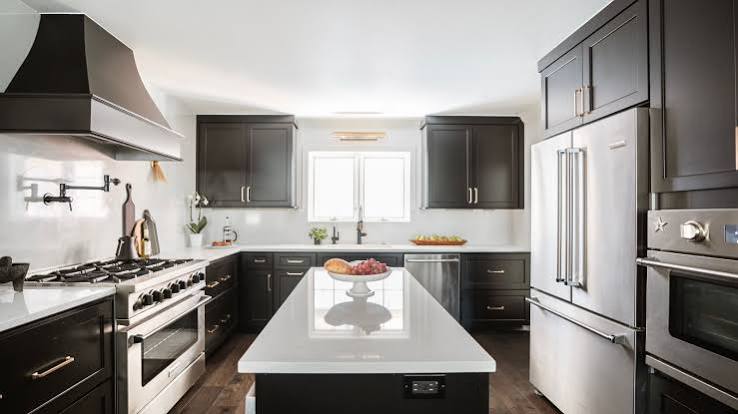
Choosing the right kitchen colour can change the entire feeling of your home. The right shade can make a small kitchen look brighter, give a large room more character, or create a warm space that feels comfortable every day. You can experiment with soft neutrals, bold greens, rich blues, warm earthy tones, or classic white.
In this article, I’m sharing 21 kitchen colour ideas to inspire your next update. These designs suit different decorating styles and budgets, helping you find a colour combination that looks modern, practical, and welcoming.
1. Classic White Kitchen

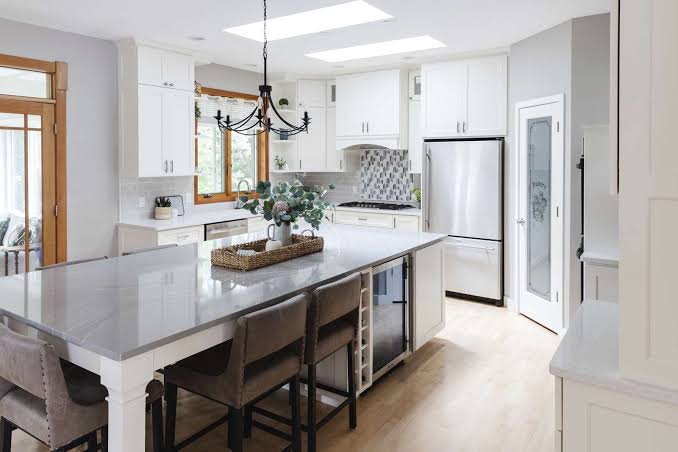
A white kitchen is a timeless choice for anyone who wants a clean and spacious appearance. White cabinets reflect light and can make compact rooms feel more open. You can pair them with marble-look countertops, wooden flooring, stainless steel appliances, or black hardware for contrast.
To prevent the room from feeling too plain, introduce texture through backsplash tiles, woven accessories, and natural materials. Warm lighting can also make white cabinets feel more inviting. This colour works well in modern apartments, traditional homes, and minimalist kitchens.
2. Sage Green Kitchen

Sage green is a gentle colour that adds personality without overwhelming the kitchen. Its muted appearance works well with white countertops, natural wood, cream walls, and brass hardware. You can use sage across all cabinets or apply it only to the lower units for a subtle two-tone effect.
This shade suits farmhouse, contemporary, and Scandinavian-inspired kitchens. It also creates a calm atmosphere that feels connected to nature. Choose a durable matte or satin finish that is easy to clean around the cooking and preparation areas.
3. Navy Blue Kitchen Cabinets

Navy blue cabinets bring depth and contrast to a kitchen while maintaining a sophisticated appearance. This colour pairs beautifully with white countertops, pale wood, brushed brass, and silver fixtures. In a small kitchen, consider using navy on the lower cabinets and a lighter shade above.
Larger kitchens can accommodate navy across the entire cabinet arrangement when enough lighting is available. Keep the backsplash relatively simple to avoid visual overload. Navy is a useful option for homeowners who want a strong colour that still feels versatile and refined.
4. Warm Beige Kitchen

Warm beige creates a soft and welcoming kitchen that feels comfortable throughout the year. It works particularly well with natural wood, cream countertops, woven textures, and warm metallic accents. Beige cabinets can make the room feel less stark than a bright white design while maintaining a light appearance. You can combine several neutral tones to create depth without adding bold colours.
Choose washable cabinet finishes and durable countertops for everyday use. This colour scheme is suitable for modern, traditional, minimalist, and transitional kitchens.
5. Charcoal Grey Kitchen

Charcoal grey adds a dramatic yet balanced appearance to a kitchen. Its deep tone works well with light countertops, pale walls, wood accents, and metallic hardware. Use charcoal on the island or lower cabinets if you want to introduce the colour without making the entire room feel dark.
In larger kitchens, full charcoal cabinetry can create a bold and sophisticated look when supported by good lighting. Select a finish that suits your maintenance needs, and include lighter elements to keep the design visually balanced.
6. Olive Green Kitchen

Olive green brings a natural and earthy feeling to the kitchen. It pairs well with beige, terracotta, cream, wood, and aged brass. This colour can suit rustic homes as well as modern spaces that use organic materials and simple cabinet lines.
Use olive green across the main cabinets or introduce it through an island or pantry section. Avoid combining too many competing earthy tones in one room. A restrained palette helps olive cabinetry remain the main feature while creating a warm and relaxed atmosphere.
7. Light Grey Kitchen

Light grey is a practical alternative to white for homeowners who want a soft neutral colour. It can hide minor marks more easily than very bright surfaces and works well with many countertop materials. Pair light grey cabinets with white walls, dark handles, light wood, or patterned tiles.
The shade is especially useful in modern kitchens where you want a clean appearance without a completely white colour scheme. Add warm lighting and textured accessories to prevent the space from feeling cold. Light grey is flexible enough for both small and large kitchens.
8. Terracotta Kitchen Colour Palette

Terracotta adds warmth and character to a kitchen through its earthy orange-red tone. It can be introduced through cabinets, tiles, painted walls, or decorative accessories. Pair it with cream, beige, natural wood, or muted green for a balanced palette. If full terracotta cabinets feel too bold, use the shade on a backsplash or kitchen island.
Choose the colour carefully under your room’s lighting because warm shades can appear stronger in the evening. This option is ideal for homeowners who enjoy expressive interiors with a natural, Mediterranean-inspired feeling.
9. Two-Tone Black and White Kitchen

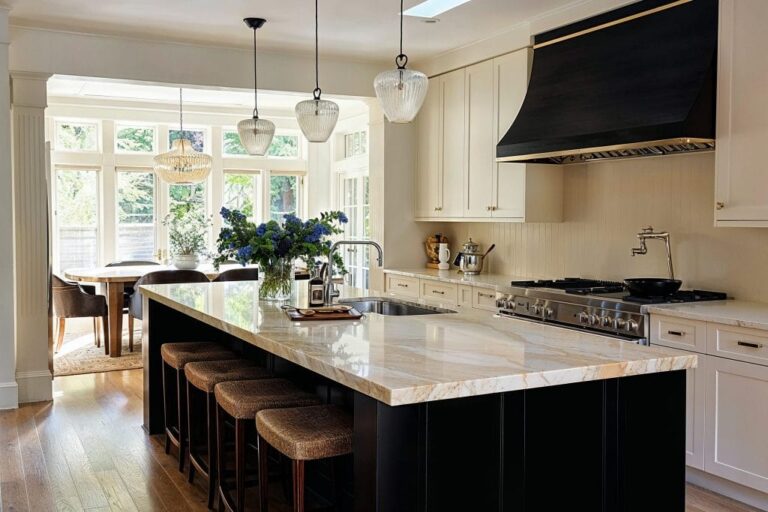
Black and white create a strong contrast that works well in modern kitchens. White upper cabinets can keep the room feeling bright, while black lower cabinets or an island add definition. Wooden accessories can soften the combination and introduce warmth. Use simple cabinet designs and avoid adding too many competing patterns.
Matte black hardware, neutral countertops, and clean lighting can complete the look. This colour scheme is suitable for minimalist, contemporary, and industrial-inspired kitchens. It is especially effective when the room has a clear layout and carefully planned lighting.
10. Soft Blue Kitchen

Soft blue cabinets can create a peaceful and airy kitchen. Pale blue works well with white, light grey, cream, and natural wood. The colour is suitable for coastal, cottage, Scandinavian, and contemporary decorating styles. Use soft blue across the cabinets or combine it with white upper units for a lighter effect. A simple tile backsplash can add texture without distracting from the colour.
If the room receives cool natural light, consider a blue shade with warm undertones to keep the kitchen feeling comfortable.
11. Cream and Wooden Kitchen

Cream and wood create a warm colour combination that feels natural and inviting. Cream cabinets offer the brightness of a neutral palette, while wooden countertops, shelves, or cabinet sections add texture. This combination can work in both modern and traditional kitchens.
Choose a wood tone that complements the cream rather than competing with it. Light oak creates an airy appearance, while walnut adds depth. Include simple hardware and soft lighting to complete the look. This colour scheme is suitable for homeowners who prefer subtle warmth over strong contrasts.
12. Emerald Green Kitchen

Emerald green is a rich colour that can give a kitchen a distinctive and elegant appearance. It works well with white stone countertops, brass hardware, light wood, and warm lighting. Since the shade is strong, consider using it on an island or a single cabinet section if you prefer a more controlled design.
In a larger kitchen, emerald cabinetry can become the main visual feature. Keep the surrounding finishes simple and select a durable cabinet surface that is easy to maintain.
13. Warm Greige Kitchen

Greige combines elements of grey and beige to create a balanced neutral colour. It can look warm or cool depending on the lighting and surrounding materials. Greige cabinets work well with cream walls, stone countertops, wood flooring, and black or brass hardware.
This shade is useful for homeowners who want a modern kitchen without committing to a stark white or deep colour palette. Test paint or cabinet samples in the actual room before making a final decision because greige can change noticeably throughout the day.
14. Black Kitchen Cabinets

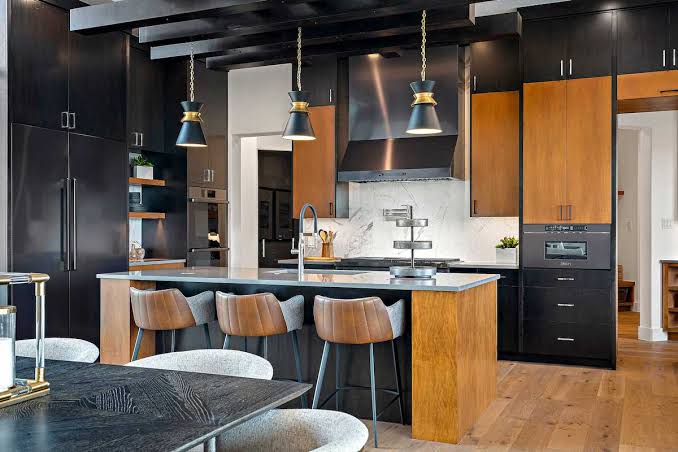
Black cabinets can create a bold and contemporary kitchen when balanced with lighter materials. Pair them with white countertops, pale walls, natural wood, and bright task lighting. Matte black finishes offer a softer appearance, while glossy surfaces reflect more light. If the kitchen is small, use black on selected cabinets or the island instead of covering every surface.
Choose practical hardware and easy-to-clean materials because fingerprints and dust may be more noticeable on some dark finishes. Black cabinetry works especially well in modern and industrial interiors.
15. Dusty Pink Kitchen

Dusty pink can bring softness and personality to a kitchen without appearing overly bright. Its muted tone works well with cream, beige, light grey, brass, and natural wood. You can introduce the colour through cabinet fronts, a painted wall, or a small kitchen island.
Keep the remaining palette simple to maintain a balanced appearance. Dusty pink is suitable for contemporary, vintage-inspired, and eclectic interiors. Choose a shade with muted undertones if you want a subtle look that remains easy to coordinate with countertops and flooring.
16. Forest Green and Brass Kitchen

Forest green and brass create a rich colour combination with warmth and visual depth. Deep green cabinets provide a strong foundation, while brass handles, faucets, and lighting fixtures introduce a warm metallic accent. Pair the combination with cream walls, light countertops, or natural wood to prevent the room from feeling too dark.
Brushed or aged brass can create a softer appearance than highly polished finishes. This palette works well in traditional, modern classic, and transitional kitchens that need a distinctive but coordinated design.
17. Pale Yellow Kitchen

Pale yellow can make a kitchen feel bright, cheerful, and welcoming. Soft yellow cabinets pair well with white, cream, light wood, and muted green. The colour is particularly useful in rooms that need a warmer visual atmosphere.
Use a gentle shade rather than an overly intense yellow if you want a modern appearance. You can apply it across the cabinets or use it on a feature wall or island. Keep the backsplash and countertops simple so the colour remains attractive without dominating the entire space.
18. Earthy Brown Kitchen

Brown kitchen colours can create a warm and grounded interior. Consider walnut cabinetry, chocolate brown lower cabinets, or brown-toned laminate paired with cream countertops. The colour works particularly well with stone, wood, terracotta, and soft lighting.
To prevent the kitchen from appearing too dark, combine deeper brown surfaces with lighter walls and reflective worktops. Brown is a practical option for homeowners who enjoy natural materials and a cosy atmosphere. It can suit modern, rustic, traditional, and contemporary kitchen styles.
19. Mint Green and White Kitchen

Mint green and white create a light and refreshing kitchen colour combination. The pale green adds personality, while white surfaces help maintain a bright appearance. This palette is especially useful in small kitchens or rooms with limited natural light. Add light wood shelves, simple ceramic accessories, or brushed metal hardware for subtle texture.
You can use mint green on the lower cabinets and white above, or reverse the arrangement for a different effect. Avoid introducing too many pastel colours so the space retains a modern and coordinated look.
20. Deep Blue and Natural Wood Kitchen

Deep blue and natural wood create a balanced combination of colour and texture. Navy or dark blue cabinets provide contrast, while wooden shelves, flooring, or countertop sections add warmth. This pairing works well in kitchens that need a strong focal point without relying on excessive decoration. Use white or cream walls to help brighten the room.
Choose wood finishes that complement the blue undertone, and add simple lighting to highlight the cabinet details. This palette suits contemporary, coastal, and transitional kitchens.
21. Neutral Kitchen With Colourful Accents

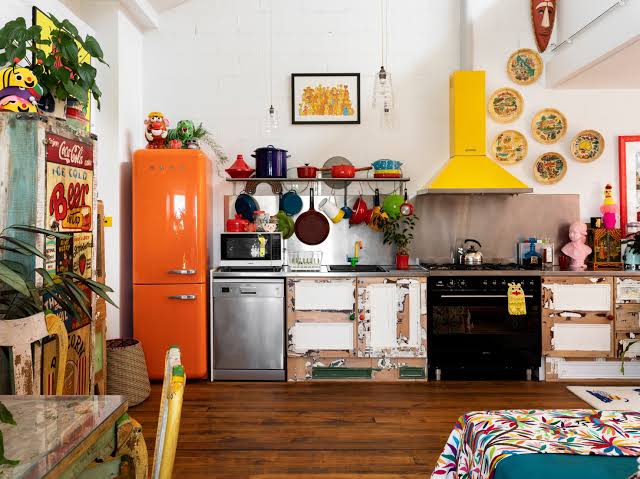
A neutral kitchen with colourful accents is a flexible option for people who like to update their decor regularly. Keep the cabinets in white, beige, grey, or cream, then introduce colour through bar stools, pendant lights, artwork, rugs, dishware, or a backsplash.
Green, blue, terracotta, and yellow can all work as accent shades. This approach allows you to change the kitchen’s appearance without replacing the main cabinetry. Choose two or three supporting colours and repeat them in small details to create a cohesive and intentional design.
The right kitchen colour can make your space feel brighter, warmer, and more personal. Soft neutrals offer flexibility, while green, blue, yellow, and earthy tones can introduce character and depth. You do not need to repaint every cabinet or replace the entire kitchen to create a fresh appearance.
Start with one feature, such as an island, backsplash, cabinet section, or lighting detail, and build the colour palette around it. Always consider your kitchen’s natural light, size, existing finishes, and maintenance needs. A thoughtful colour combination can help create a modern kitchen that feels beautiful and comfortable every day.