Green is a beautiful choice for a kitchen because it brings a natural, calming feeling while adding colour and personality.
Whether you prefer soft sage, deep forest green, muted olive, or bright emerald, there are many ways to use this shade in your space. Green cabinets, backsplashes, walls, and accessories can suit modern, traditional, farmhouse, and minimalist interiors. In this article, I’m sharing 20 green kitchen ideas to help you create a stylish and welcoming cooking area. These designs can work in both large kitchens and compact homes, depending on your layout, lighting, and preferred decorating style.
1. Sage Green Kitchen Cabinets

Sage green cabinets are a popular choice for creating a soft and relaxing kitchen. This muted shade works beautifully with white countertops, light wood details, and brushed brass handles. It adds colour without making the room feel too dark or overwhelming. Sage green is also flexible enough to suit modern, farmhouse, and Scandinavian-inspired kitchens.
You can use it across all cabinets or limit it to the lower units for a more subtle appearance. Pair the cabinets with warm lighting and simple accessories to create a kitchen that feels peaceful and inviting.
2. Dark Forest Green Kitchen

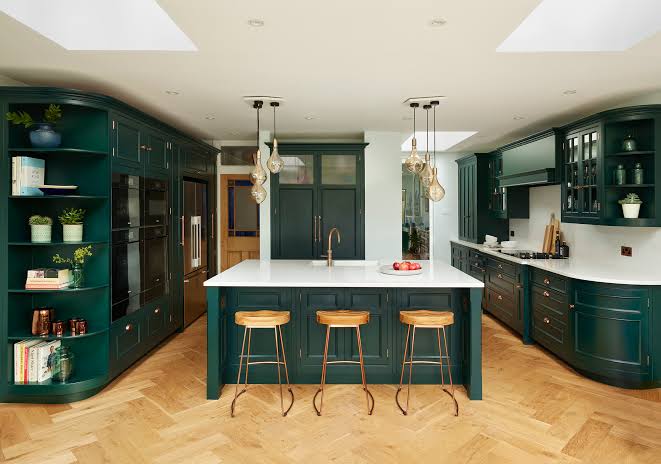
Forest green can give a kitchen a rich and sophisticated appearance. Its deep tone works especially well in rooms with plenty of natural light or carefully planned artificial lighting. Pair dark green cabinets with marble-look countertops, brass hardware, or warm wooden flooring for a balanced finish. If using this colour throughout the kitchen feels too intense, consider applying it only to the island or lower cabinets. Cream walls and light accessories can help soften the overall look.
Forest green is ideal for homeowners who want a dramatic kitchen that still feels connected to nature.
3. Green and White Kitchen Design

Green and white create a fresh combination that works in kitchens of many sizes. White walls, countertops, or upper cabinets can brighten the room, while green lower cabinets introduce personality and depth. Soft sage creates a gentle appearance, while emerald or forest green offers stronger contrast. Add natural wood accessories to prevent the space from looking too cold.
This colour pairing works well in apartments, family homes, and traditional kitchens. Keep the remaining finishes simple so the two main colours remain balanced and the room feels clean rather than visually crowded.
4. Olive Green Kitchen Cabinets

Olive green brings a warm, earthy feeling to the kitchen. It pairs naturally with beige walls, wooden countertops, terracotta accessories, and antique-style hardware. This shade is particularly suitable for homeowners who prefer a relaxed and slightly rustic atmosphere. Olive cabinets can be used across the entire kitchen or introduced through a small island or pantry section.
Choose matte finishes for a soft appearance and add layered lighting to highlight the cabinet colour. With the right supporting tones, olive green can create a welcoming kitchen that feels comfortable and timeless.
5. Green Kitchen With Wooden Countertops

Green cabinets and wooden countertops create a warm combination that brings natural textures into the kitchen. The wood adds softness to the colour while making the space feel more welcoming. Light oak works well with sage and muted green, while darker wood can complement forest or olive shades. Choose a countertop finish that suits your maintenance preferences and cooking habits.
Add woven baskets, ceramic dishes, and simple greenery to complete the look. This design is suitable for rustic, farmhouse, and modern kitchens that need a balance between colour and natural materials.
6. Emerald Green Kitchen Island

An emerald green island can become the main feature of a neutral kitchen. Instead of changing every cabinet, you can introduce a strong green shade on the central island and keep the surrounding units white, cream, or light wood. This creates a focal point without making the entire space feel dark.
Add comfortable stools and pendant lighting to make the island practical as well as attractive. Choose a countertop that complements the green finish, such as white quartz or a subtle stone pattern. This idea works especially well in open-plan kitchens.
7. Small Kitchen With Green Cabinets

Green can work beautifully in a small kitchen when the shade and lighting are chosen carefully. Soft sage, pale olive, and muted eucalyptus tones can add colour while keeping the room visually comfortable. Combine green lower cabinets with white walls or light upper cabinets to create contrast.
Use open shelves, reflective backsplash tiles, and under-cabinet lighting to prevent the space from feeling enclosed. Avoid using too many competing colours or patterns. A small green kitchen can look stylish and organized when the layout remains practical and storage is planned thoughtfully.
8. Green Kitchen With Brass Hardware

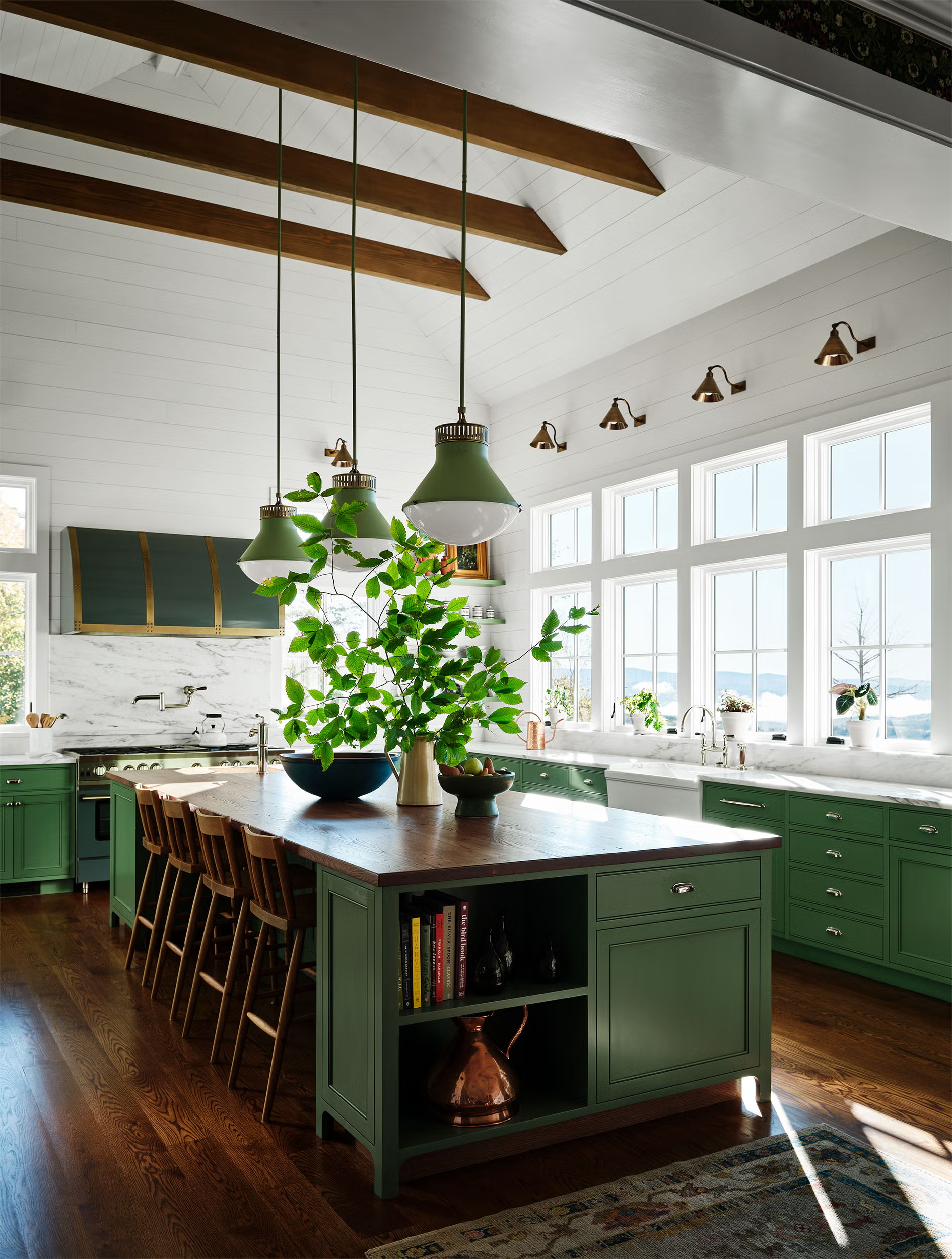
Brass hardware can add warmth and elegance to green kitchen cabinets. Gold-toned handles, knobs, and faucets work particularly well with deep forest green, olive, and muted sage. For a coordinated look, repeat the finish across selected fixtures without using it on every decorative element. Matte or brushed brass usually creates a softer appearance than highly reflective polished finishes.
Pair the cabinets with neutral countertops and simple lighting to keep the design balanced. This combination can suit both traditional and contemporary kitchens, depending on the cabinet style and surrounding materials.
9. Green Kitchen With a Patterned Backsplash

A patterned backsplash can add visual interest to a green kitchen while protecting the walls behind the cooking and preparation areas.
Consider geometric tiles, botanical designs, handmade-look ceramics, or subtle green-and-white patterns. If your cabinets are a strong shade, select a backsplash with a restrained colour palette. For pale green cabinets, you can experiment with more decorative tile designs. Choose a surface that is easy to wipe clean and suitable for kitchen use. A thoughtfully selected backsplash can help connect the cabinet colour with countertops, flooring, and other design elements.
10. Two-Tone Green Kitchen Cabinets

Using two shades of green can create a layered and distinctive kitchen design. Pair pale sage upper cabinets with deeper green lower units, or combine olive cabinets with a darker island. This approach adds depth without introducing too many unrelated colours.
Keep the countertop and walls neutral so the cabinet shades remain the main focus. You can also mix painted cabinets with natural wood to soften the combination. Before choosing the colours, examine samples under both daylight and artificial lighting because green tones can change noticeably throughout the day.
11. Modern Matte Green Kitchen

Matte green cabinets offer a smooth, understated finish that suits modern kitchens. They reduce strong reflections and create a softer visual effect, especially when paired with simple cabinet doors and minimal hardware.
Choose a muted green for a calm appearance or a deeper shade for stronger contrast. Light stone countertops, integrated appliances, and clean-lined lighting can complete the modern style. Matte finishes still require regular cleaning, so select a durable surface that suits your household needs. This design is ideal for people who enjoy a contemporary kitchen with a natural colour palette.
12. Green Kitchen With Open Shelving

Open shelving can make green kitchen cabinets feel lighter and more decorative. Install wooden shelves against a neutral wall to create contrast and provide easy access to frequently used dishes, jars, and mugs. Keep the shelves organized with coordinated containers and a limited selection of decorative items.
Too many objects can make the kitchen look cluttered, so focus on practical pieces that you use regularly. Green cabinets paired with natural wood shelves create a welcoming combination. This arrangement works well in farmhouse, cottage, rustic, and modern kitchen interiors.
13. Green Farmhouse Kitchen

A green farmhouse kitchen combines traditional details with a natural colour palette. Consider sage or olive cabinets, a farmhouse-style sink, wooden shelves, and vintage-inspired hardware. White tile backsplashes and butcher-block countertops can add warmth and character.
Open storage may be useful for displaying everyday dishes, while closed cabinets help hide less attractive supplies. Use textured fabrics and simple ceramic accessories to complete the atmosphere. Green works particularly well in this style because it connects the kitchen to outdoor landscapes and creates a relaxed setting for family meals.
14. Green Kitchen With Marble Countertops
Marble or marble-look countertops can create a refined contrast against green cabinetry. White surfaces with soft veining work well with both light and dark green shades. The countertop brightens the room while adding a decorative stone texture. If you prefer a lower-maintenance option, consider a suitable engineered surface with a marble-inspired pattern.
Keep the backsplash relatively simple so the cabinet colour and countertop remain visually balanced. Brass, black, or brushed nickel hardware can be selected according to your preferred style. This combination works well in elegant and contemporary kitchen designs.
15. Soft Mint Green Kitchen

Mint green can give a kitchen a bright, cheerful, and airy appearance. This lighter shade is particularly useful in compact rooms or spaces with limited natural light. Pair mint cabinets with white countertops, pale wood, and simple silver or brass hardware. You can also use mint on a backsplash or a single cabinet section if you prefer a smaller colour update.
Avoid adding too many pastel tones, as the kitchen may begin to look overly themed. With neutral supporting finishes, mint green can create a fresh and comfortable cooking environment.
16. Green Kitchen With Black Accents

Black accents can give a green kitchen a modern and defined appearance. Black handles, lighting fixtures, window frames, or countertop details create contrast against sage, olive, or forest green cabinets. Use this combination carefully in small kitchens, where too many dark elements may make the room feel heavy. Balance the design with light walls, natural wood, or bright countertops.
A few repeated black details can create a coordinated appearance without dominating the room. This colour scheme works well for industrial, contemporary, and minimalist kitchen styles.
17. Green Kitchen With Natural Stone Details

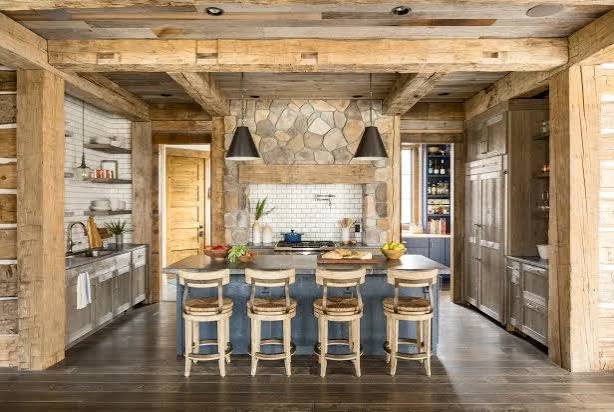
Natural stone details can complement green cabinets with texture and earthy character. Stone backsplashes, granite countertops, limestone-inspired surfaces, and textured flooring can work well with olive, sage, and forest green.
Choose a stone pattern that does not compete with the cabinet colour. If the cabinets have visible grain or decorative details, a simpler countertop may be more suitable. Natural stone-inspired finishes can also be used when you want the appearance of stone with easier maintenance. This design creates a grounded kitchen that feels connected to organic materials.
18. Green Kitchen With a Statement Range Hood

A statement range hood can add architectural interest to a green kitchen. You could choose a plaster-style hood, a tiled design, a metallic finish, or a hood painted in a complementary green shade. The hood should be appropriately sized and professionally installed to support safe ventilation. Keep the surrounding area visually simple so the feature does not compete with too many cabinet details.
A statement hood works especially well above a cooking island or central range. It can transform a practical kitchen element into an attractive design feature.
19. Green Kitchen With Indoor Plants

Indoor plants can enhance the natural feeling created by green kitchen cabinets. Small herb pots, hanging plants, or compact greenery can add texture and variation to open shelves and windowsills. Choose plants according to the available light, humidity, and maintenance requirements. Keep them away from direct heat, cooking flames, and areas where they may come into contact with food preparation.
Use simple ceramic or terracotta pots for a cohesive appearance. Plants should support the kitchen design without blocking countertops, creating cleaning difficulties, or occupying valuable working space.
20. Deep Green Kitchen With Warm Lighting

Deep green cabinets can look especially inviting when combined with warm, layered lighting. Pendant lights, under-cabinet LEDs, ceiling fixtures, and accent lighting can help prevent dark cabinets from making the kitchen feel closed in. Choose warm white bulbs for a comfortable atmosphere while ensuring work surfaces receive sufficient illumination.
Light wood, cream walls, and pale countertops can create balance. This style is ideal for homeowners who want a cosy kitchen with a dramatic colour palette. Plan the lighting carefully so decorative warmth does not reduce visibility during cooking tasks.
Green kitchens offer many ways to create a space that feels welcoming, stylish, and connected to nature. You can choose soft sage cabinets for a calm appearance, forest green for drama, or olive tones for a warm and earthy atmosphere. Small updates such as new hardware, a colourful backsplash, wooden shelves, or improved lighting can make a noticeable difference. The key is to select supporting materials and colours that work well together.
Think about your kitchen’s size, natural light, storage needs, and cleaning routine before making changes. With a thoughtful plan, green can become a beautiful part of your everyday kitchen design.