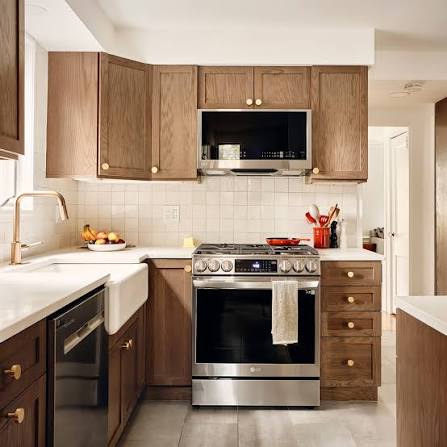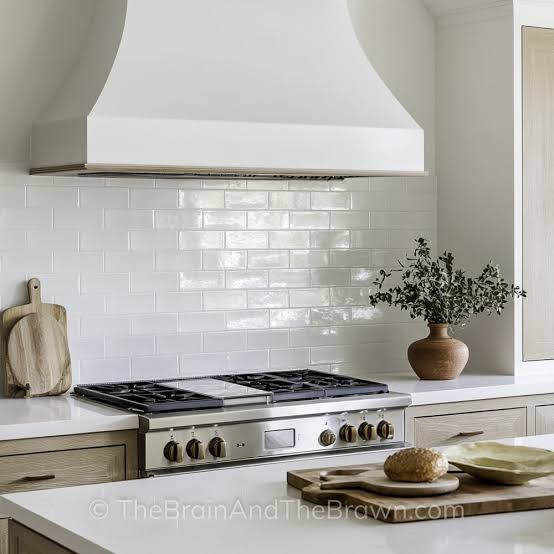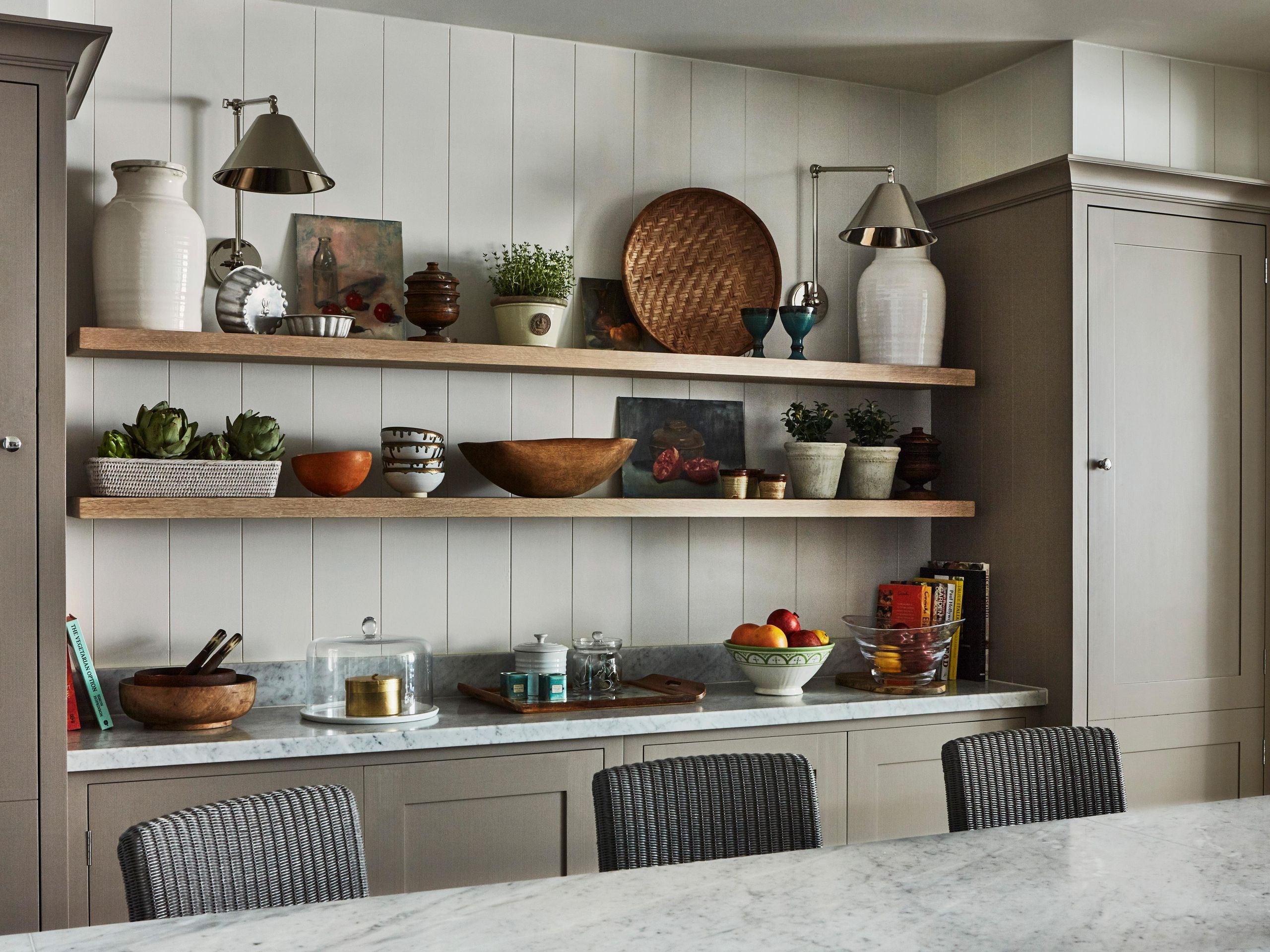
Kitchen shelves can transform empty walls and unused corners into practical storage areas while adding personality to your cooking space. Open shelves can display beautiful dishes, mugs, plants, cookbooks, and decorative pieces, while enclosed shelving can keep everyday essentials organized and protected. The right shelving style can also complement almost any kitchen aesthetic, including modern, farmhouse, rustic, cottage, Scandinavian, and industrial designs.
Think about your storage needs, available wall space, and overall color palette before choosing a style. These kitchen shelving ideas combine smart organization with attractive design, helping you create a kitchen that feels more organized, welcoming, and visually interesting.
1. Floating Wooden Kitchen Shelves

Floating wooden shelves are one of the easiest ways to add warmth and practical storage to a kitchen. Natural wood shelves look beautiful against white, cream, or neutral walls and can soften a modern kitchen. Use them to display plates, bowls, mugs, glass jars, cookbooks, and small plants. Choose thick wooden shelves for a rustic appearance or slim shelves for a contemporary look.
Keep heavier everyday items on lower shelves so they remain easy to reach. A few decorative pieces can be mixed with useful kitchenware to create a display that feels both practical and thoughtfully styled.
2. Open Kitchen Shelving

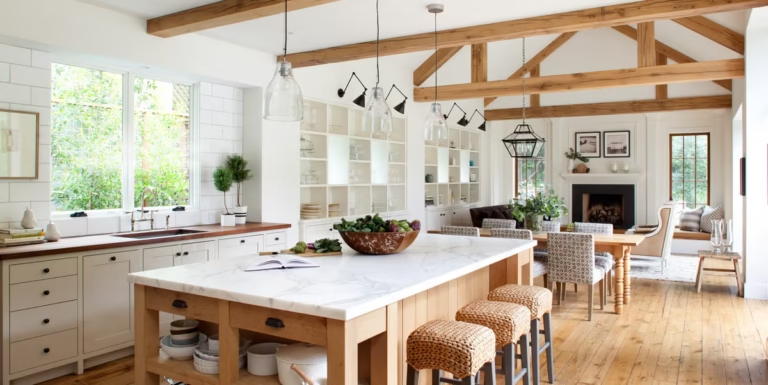
Open kitchen shelving can make a room feel lighter while giving you quick access to frequently used items. Instead of hiding everything behind cabinet doors, display attractive plates, bowls, glasses, jars, and cookbooks on easily accessible shelves. This idea works especially well in kitchens with limited space because open shelving creates less visual weight than bulky upper cabinets.
Arrange items according to color or function to keep the display organized. You can also mix practical pieces with greenery or decorative ceramics. The key is to avoid overcrowding the shelves so the kitchen maintains a clean and welcoming appearance.
3. Farmhouse Kitchen Shelving

Farmhouse kitchen shelving adds warmth, texture, and casual charm to the cooking area. Thick reclaimed or natural wood shelves paired with simple brackets can create a classic farmhouse appearance. Display white ceramic plates, vintage pitchers, woven baskets, glass jars, and small potted herbs to complete the look. The combination of natural wood and light-colored dishes creates a beautiful contrast.
You can install shelves above a countertop, beside a range hood, or on an empty wall. Keep the styling relaxed rather than perfectly symmetrical to achieve the comfortable, lived-in character associated with farmhouse kitchens.
4. Kitchen Corner Shelves

Kitchen corners often become overlooked spaces, but corner shelves can turn them into useful storage zones. Install triangular or L-shaped shelves to make use of awkward wall areas. These shelves can hold spices, mugs, small appliances, cookbooks, or decorative objects.
Wooden corner shelves can add warmth, while white shelves can blend seamlessly into the wall. If your kitchen is small, use the shelves for items you reach for regularly. You can also add a small plant or decorative vase to make the corner feel intentional. This simple solution can add storage without taking up valuable countertop space.
5. Kitchen Shelving With Cabinets
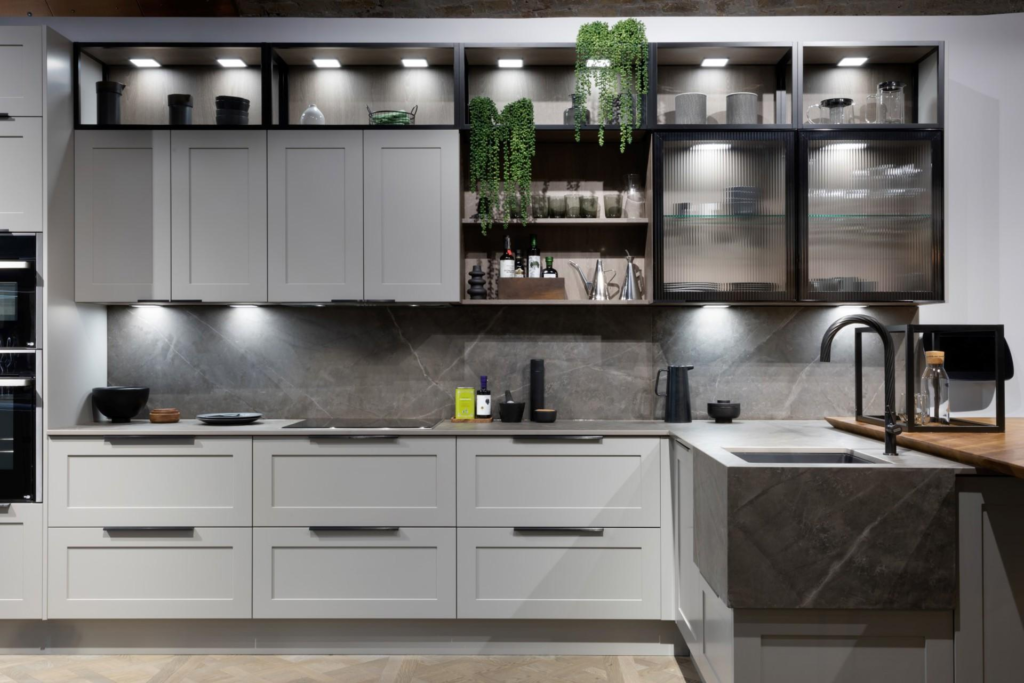
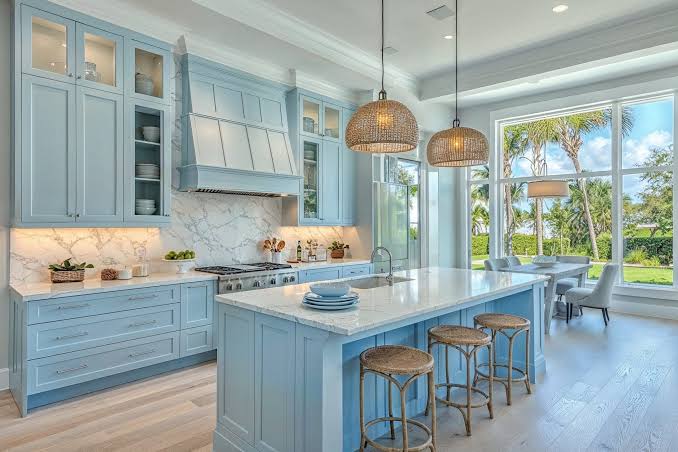
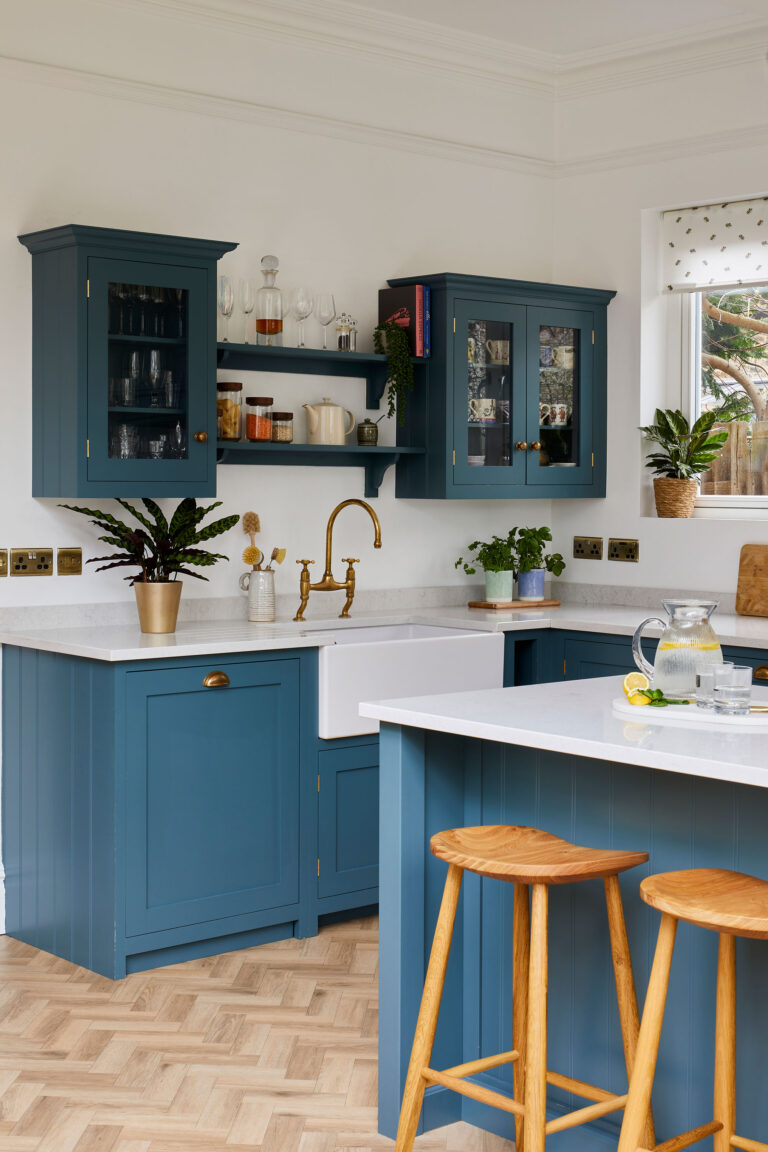
Combining closed cabinets with open shelving gives you the best of both storage styles. Cabinets can hide bulky cookware, food supplies, and appliances, while open shelves can display attractive dishes and decorative objects. This arrangement also prevents a wall of cabinetry from appearing too heavy. Place open shelves between cabinet sections or at one end of a cabinet run for visual variety.
Coordinate the shelf finish with the cabinets or countertop for a cohesive appearance. This idea works beautifully in modern, transitional, farmhouse, and cottage kitchens where practical storage needs to blend with decorative styling.
6. Black Kitchen Shelves

Black kitchen shelves can create striking contrast while giving the room a sophisticated appearance. Matte black metal brackets or black wooden shelves look especially attractive against white or light-colored walls. Use them to display neutral ceramics, glass jars, wooden cutting boards, or greenery.
Black shelves can also coordinate nicely with black cabinet handles, faucets, lighting fixtures, or appliances. Keep the displayed items relatively simple so the dark shelving remains visually strong without overwhelming the room. This idea works particularly well in modern, industrial, farmhouse, and contemporary kitchens that benefit from a little extra contrast.
7. Industrial Kitchen Shelving

Industrial kitchen shelving combines materials such as reclaimed wood and black metal to create a rugged yet stylish appearance. Pipe-style brackets can add character, while thick wooden boards introduce warmth and texture. Use industrial shelves to display cookware, glass jars, coffee supplies, or decorative kitchenware.
This style works particularly well with exposed brick, concrete surfaces, dark cabinets, and stainless-steel appliances. You can install one long shelf above a countertop or create several smaller levels for a more layered arrangement. Mixing practical objects with a few decorative pieces keeps the industrial aesthetic functional rather than overly decorative.
8. Kitchen Shelves With Plants

Adding plants to kitchen shelves can bring natural color and freshness into the room. Small herbs such as basil, mint, rosemary, and thyme can provide both decoration and useful ingredients. If natural light is limited, choose suitable low-light plants or use realistic artificial greenery.
Combine plants with ceramic bowls, wooden boards, mugs, and glass jars to create a balanced display. Avoid placing too many plants together because the shelves can quickly appear crowded. A few carefully positioned pots can soften hard cabinet lines and create a more relaxed atmosphere, especially in modern or neutral kitchens.
9. Kitchen Shelving Above Countertop

Installing shelves above the countertop is a practical way to use vertical wall space. These shelves can keep everyday dishes, mugs, spices, cooking oils, and utensils within easy reach. Choose shelves that complement the countertop material so the entire area feels coordinated. Wooden shelves can warm up a white kitchen, while stone or metal shelving can suit a modern design.
Avoid installing shelves too low, especially near food preparation areas, where they could interfere with your workspace. A simple arrangement of two or three shelves can provide useful storage without making the countertop feel visually crowded.
10. Kitchen Shelving Around Range Hood

Shelving around a range hood can create a balanced and attractive focal point. Install matching shelves on both sides of the hood to create symmetry, then use them to display plates, bowls, cutting boards, or decorative ceramics. Natural wood shelves can soften a statement range hood, while black shelves can add contrast. Keep items relatively streamlined because the cooking area is already a strong visual feature. This arrangement can also make use of wall space that might otherwise remain empty.
It works particularly well in farmhouse, modern, transitional, and minimalist kitchens where symmetry and balance are important.
11. Built-In Kitchen Shelving

Built-in kitchen shelving can create a customized storage solution that fits your space perfectly. Shelves can be designed into an existing wall, pantry area, cabinet section, or unused corner. This approach allows you to create specific storage zones for cookbooks, appliances, dishes, or decorative items.
Paint the shelves the same color as the surrounding cabinetry for a seamless appearance, or use natural wood to introduce contrast. Built-in shelving is especially useful in kitchens with unusual dimensions because the design can be tailored to the available area. It can also make the kitchen feel more intentional and professionally designed.
12. Kitchen Shelving With Glass Jars

Glass jars can turn practical kitchen storage into an attractive shelf display. Use matching or coordinating jars to store pasta, rice, flour, grains, coffee, tea, spices, or snacks. Clear containers allow you to see the contents quickly while creating a neat visual arrangement. Wooden shelves provide warmth, while white or black shelves create different decorative effects.
Add simple labels if you want an organized pantry-inspired appearance. Keep the jars grouped together rather than scattered across several shelves. This idea works especially well for farmhouse, modern, Scandinavian, and minimalist kitchens where organization is part of the overall aesthetic.
13. Kitchen Shelving For Cookbooks

Kitchen shelving provides a perfect place to display and organize cookbooks. Rather than keeping your favorite recipes hidden inside cabinets, arrange them on open shelves where they can also contribute to the room’s decor. Stack a few books horizontally and stand others vertically to create visual variety. Mix cookbooks with small plants, ceramic pieces, or decorative bowls for a balanced arrangement.
A dedicated cookbook shelf can sit near the preparation area for easy access while cooking. Choose wooden shelves for a cozy appearance or minimalist white shelving for a cleaner modern look.
14. Floating Shelves With Baskets

Combining floating shelves with woven baskets adds both organization and texture to your kitchen. Baskets can hide smaller or less attractive items while keeping them easy to access. Use them for kitchen towels, napkins, pantry supplies, or miscellaneous cooking accessories. Natural woven materials work beautifully with wooden shelves and neutral kitchens.
Place decorative ceramics and plants beside the baskets to create a balanced display. This idea is especially useful when you want the convenience of open shelving without exposing every small item. It works particularly well in farmhouse, cottage, rustic, and natural-style kitchens.
15. Rustic Reclaimed Wood Shelving

Reclaimed wood shelving can give your kitchen an authentic rustic character. The natural knots, grain patterns, and imperfections create texture that instantly warms up the space. Pair thick reclaimed boards with simple metal brackets for a farmhouse or industrial look. These shelves can display ceramic dishes, vintage containers, cutting boards, plants, and cookbooks.
Because reclaimed wood has such a strong character, keep the surrounding decor relatively simple. This style looks particularly attractive against white subway tile or neutral walls. It is an excellent choice if you want your kitchen to feel cozy, relaxed, and full of personality.
16. Modern Minimalist Kitchen Shelving

Modern minimalist kitchen shelving focuses on clean lines, simple shapes, and carefully selected objects. Choose slim shelves in white, natural wood, or a neutral finish that complements the kitchen.
Display only a few essential items, such as matching bowls, simple mugs, a small plant, or one decorative vase. Leaving some empty space around each item helps the shelves look intentional rather than cluttered. This approach is especially effective in smaller kitchens because it maintains an airy appearance. Minimalist shelving can provide practical storage while supporting a calm, organized, and contemporary kitchen design.
17. Kitchen Shelving With Accent Lighting

Adding accent lighting to kitchen shelves can make them stand out beautifully, especially during the evening. Hidden LED strips underneath each shelf can create a soft glow across the countertop while highlighting decorative objects. Warm lighting works particularly well with natural wood shelves, ceramic dishes, and neutral colors.
You can also use small spotlights to highlight artwork, plants, or special kitchenware. Keep cables hidden for a clean appearance. This idea combines decoration and functionality because shelf lighting can provide additional illumination around preparation areas while creating a cozy atmosphere throughout the kitchen.
18. Floor-To-Ceiling Kitchen Shelving

Floor-to-ceiling kitchen shelving can maximize vertical storage while creating a dramatic design feature. Tall shelving units can hold cookbooks, dishes, pantry containers, baskets, plants, and decorative pieces. Keep frequently used items at comfortable heights and reserve upper sections for objects that are accessed less often.
A combination of open shelves and closed cabinets can provide a practical balance between display and hidden storage. Choose a consistent finish so the tall structure feels intentional. This idea is especially useful in kitchens with limited cabinet space because it takes advantage of wall height without expanding the room’s footprint.
Kitchen shelving can make your space more organized while adding warmth, character, and visual interest. Floating wood shelves, farmhouse designs, corner shelving, black metal accents, built-in storage, and floor-to-ceiling units offer options for almost every kitchen style. The best approach depends on your available wall space, storage requirements, and decorating preferences.
Keep frequently used items accessible and arrange decorative pieces with enough breathing room to avoid clutter. Mixing useful kitchenware with plants, cookbooks, baskets, and ceramics can create a display that feels personal and inviting. With thoughtful shelving choices, even a simple kitchen wall can become a beautiful and functional feature.