Choosing the right kitchen colour combination can completely change how your cooking space looks and feels. I love using colour to create contrast, warmth, and personality while still keeping the kitchen practical for everyday life. A good palette can make cabinets stand out, brighten dark areas, or connect the kitchen with an open-plan living space.
You do not need many colours to create an impressive result. Two or three carefully selected shades can be enough to create balance. If you are planning a kitchen update, these colour combination ideas can help you create a space that feels modern, welcoming, organised, and beautiful.
1. White and Natural Wood Kitchen

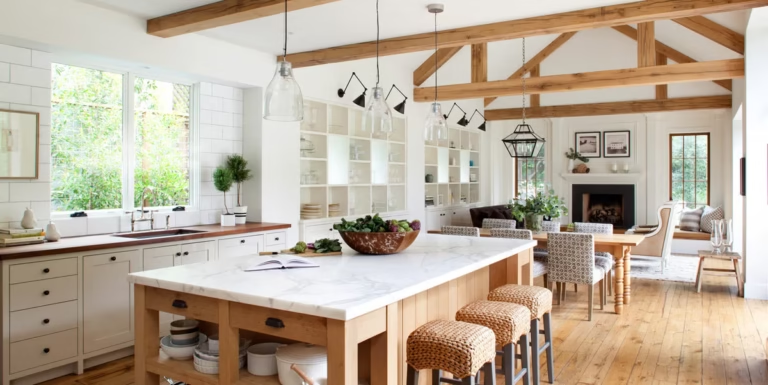
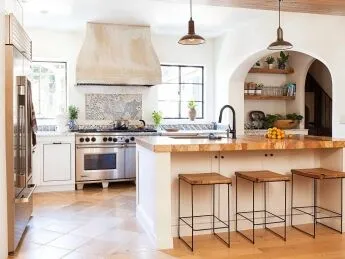
White and natural wood is one of my favorite kitchen combinations because it creates a bright space without feeling cold. White cabinets or walls can keep the room looking open, while wooden flooring, shelves, countertops, or an island introduce warmth. Light oak works especially well in Scandinavian and modern kitchens, while darker wood can create a richer appearance. I would keep the backsplash simple and let the natural grain provide texture.
Black or brass hardware can add small points of contrast. This combination is easy to decorate and can remain attractive as your style changes.
2. Sage Green and Cream Kitchen

Sage green and cream create a soft and welcoming kitchen palette. I love this combination because the muted green adds personality while cream keeps the room warm and bright.
Sage cabinets can be paired with cream walls, countertops, or backsplash tiles for a relaxed appearance. Natural wood and brass hardware can add additional warmth without introducing too many competing colours. This palette works beautifully in farmhouse, cottage, modern organic, and traditional kitchens. If you want a colourful kitchen that still feels calm and timeless, sage green with cream is an excellent combination.
3. Navy Blue and White Kitchen

Navy blue and white create a classic combination with plenty of contrast. I particularly like using navy on lower cabinets or the kitchen island while keeping the upper cabinets white. This arrangement gives the kitchen depth without making the entire room feel dark.
White countertops and backsplash tiles can reflect light, while brass or brushed metal hardware adds another layer of detail. Navy can work well in both modern and traditional kitchens. If you want a colour combination that feels sophisticated but remains easy to decorate, this pairing is definitely worth considering.
4. Black and White Kitchen

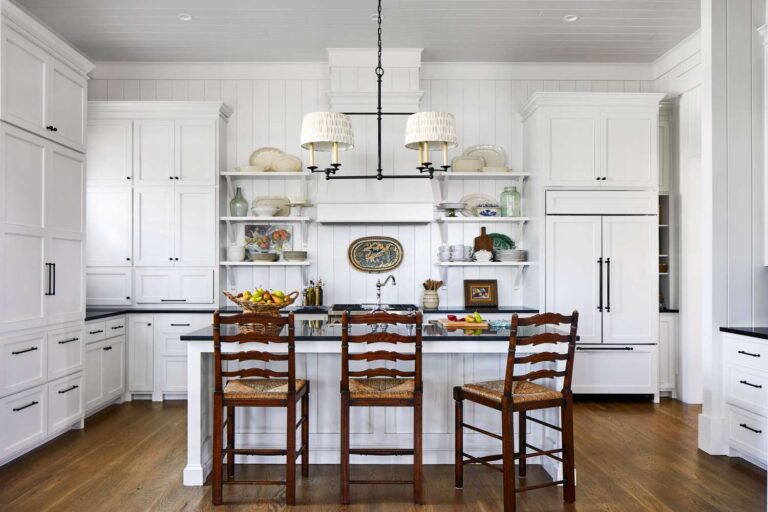
Black and white is a timeless kitchen colour combination that can create a dramatic yet balanced appearance. I like using black on lower cabinets, an island, window frames, or hardware while keeping countertops and walls white.
This prevents the darker shade from dominating the room. You can introduce natural wood to soften the contrast and create warmth. Matte black fixtures can give the kitchen a modern appearance, while traditional cabinet profiles can make the same palette feel more classic. The combination works particularly well when you want a clean and visually striking kitchen.
5. Green and Natural Wood Kitchen

Green and natural wood bring a beautiful connection with nature into the kitchen. I love pairing sage, olive, or forest green cabinetry with oak shelves, wooden flooring, or a wood island. The organic grain of the wood adds warmth and keeps the green from feeling too formal. White or cream countertops can brighten the overall design.
This palette is especially attractive in modern organic, farmhouse, Scandinavian, and rustic interiors. You can also add plants and woven accessories to reinforce the natural feeling without adding another strong colour.
6. Charcoal Gray and Warm Beige Kitchen

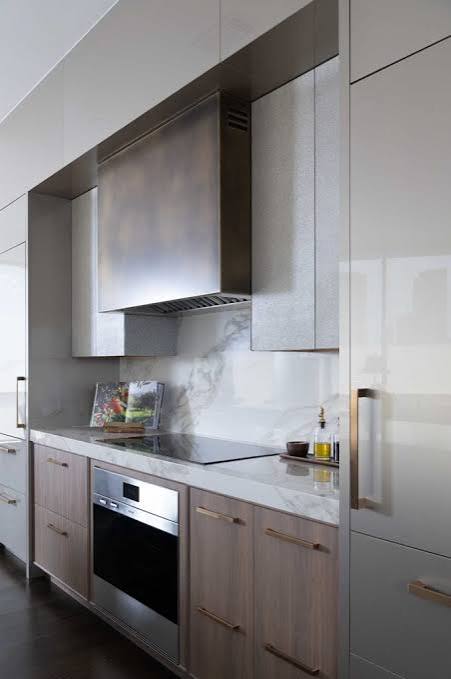
Charcoal gray and warm beige can create a sophisticated kitchen with a comfortable atmosphere. I like using charcoal on cabinetry or an island and beige on the walls or surrounding surfaces. The darker gray gives the room definition, while beige prevents the palette from feeling too cool.
Natural wood, cream countertops, and warm lighting can enhance the combination. This colour scheme works well in contemporary and transitional kitchens where you want a refined appearance without relying on bright colours. It is also a useful palette for open-plan spaces because the neutral tones can blend easily with adjoining rooms.
7. White and Sage Green Kitchen
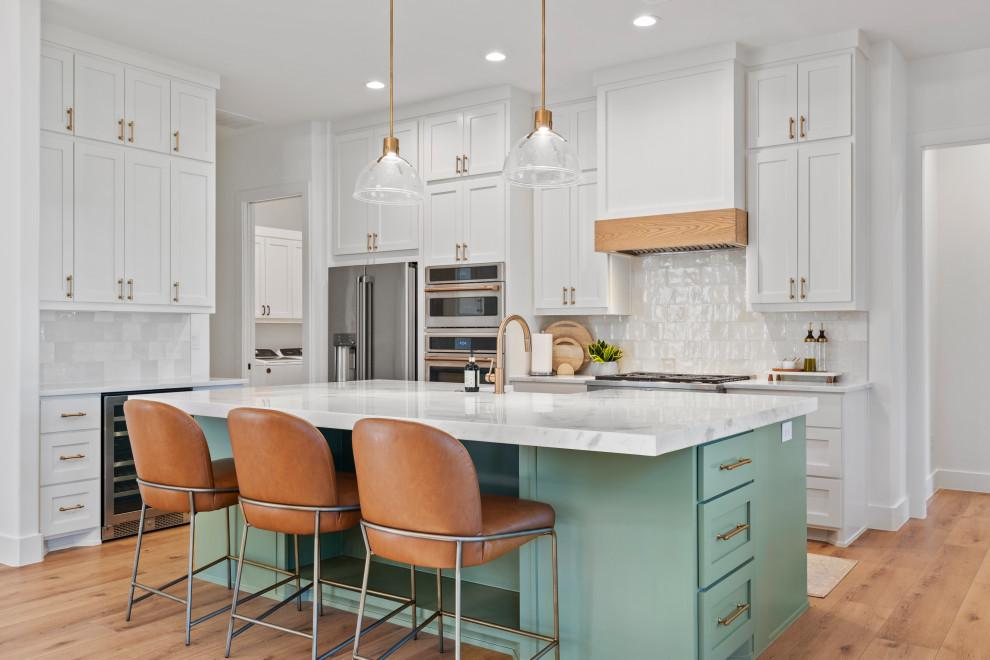
White and sage green offer a fresh and calming colour combination. I like using sage on the cabinets and white on the backsplash, countertops, or walls because the lighter surfaces help keep the kitchen feeling spacious.
Brass handles can add warmth, while natural wood stools or shelves can provide texture. This palette is particularly useful in smaller kitchens because sage adds colour without making the room feel visually heavy. You can also reverse the arrangement and use white cabinetry with a sage green island for a more subtle introduction of colour.
8. Black and Natural Wood Kitchen

Black and natural wood create a bold combination that still feels warm and inviting. I love how matte black cabinets can contrast with oak flooring, wooden shelves, or a natural wood island.
The wood prevents the black surfaces from feeling too severe, while the dark cabinetry gives the kitchen a modern edge. White or cream countertops can introduce another light element if needed. This palette works especially well in contemporary, industrial, and modern rustic kitchens. Keep decorative accessories simple so the contrast between black and wood remains the main visual feature.
9. Cream and Natural Wood Kitchen

Cream and natural wood create a warm kitchen that feels relaxed and timeless. I prefer this combination when bright white feels too stark but the room still needs a light colour palette.
Cream cabinets can work beautifully with oak floors, wooden shelves, butcher-block countertops, or a wood island. Brass or aged metal hardware can complement the warm tones. This palette is particularly attractive in farmhouse, cottage, Scandinavian, and modern organic kitchens. Adding soft textiles and greenery can further enhance the comfortable atmosphere without introducing colours that compete with the main palette.
10. Forest Green and Brass Kitchen

Forest green and brass create a rich and elegant kitchen combination. I love the way warm brass hardware stands out against deep green cabinetry, especially when paired with creamy countertops and warm lighting.
You can use forest green across the cabinets or limit it to the island for a more controlled statement. Marble or light stone can provide contrast and prevent the palette from becoming too dark. This combination works particularly well in traditional, transitional, and contemporary kitchens. If you want your cabinetry to become the main feature, this pairing can create a memorable result.
11. Blue and Natural Wood Kitchen

Blue and natural wood can create a balanced kitchen that feels both fresh and warm. I like using navy, muted blue, or dusty blue cabinets with light oak flooring and wooden shelves. The wood softens the cooler quality of blue, while the painted cabinetry adds personality. White countertops can brighten the palette and create a clean transition between the two materials.
This combination can work in coastal, Scandinavian, modern farmhouse, and contemporary kitchens. You can also introduce brass or black hardware depending on the mood you want to create.
12. Terracotta and Cream Kitchen
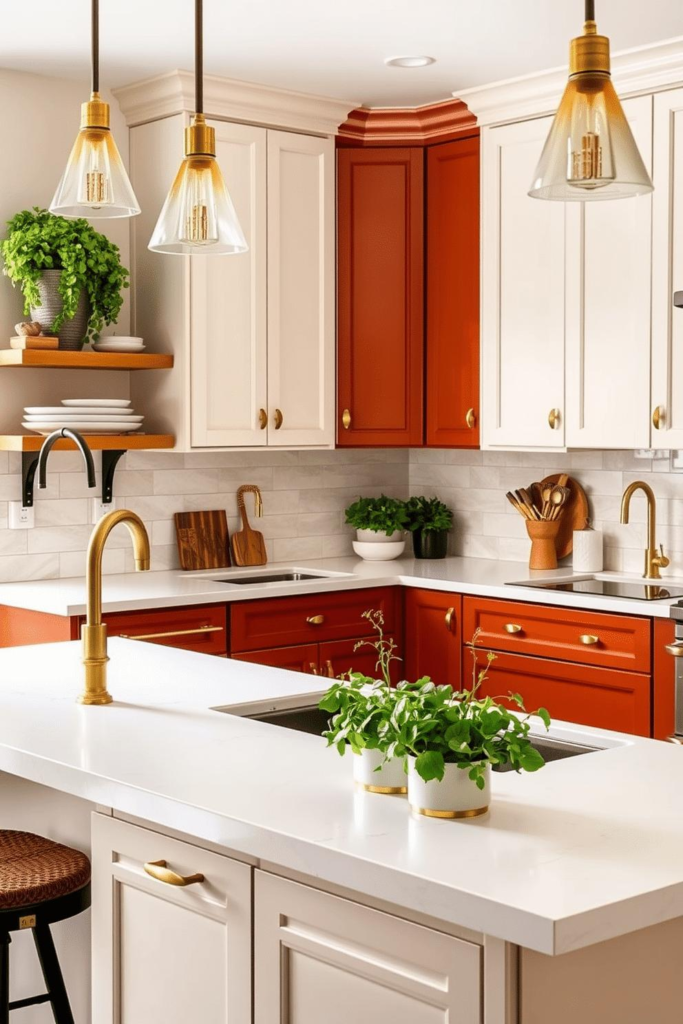
Terracotta and cream create a warm, earthy kitchen with plenty of personality. I love terracotta because its warm undertones can make a kitchen feel cozy and inviting. Cream walls or cabinets can balance the stronger colour and keep the room feeling light. Natural wood, woven baskets, ceramic accessories, and stone countertops can complement the palette beautifully.
You can use terracotta on one accent wall, the island, or selected cabinetry instead of covering the entire kitchen. This combination works especially well in Mediterranean, rustic, bohemian, and warm contemporary spaces.
13. Gray and White Kitchen
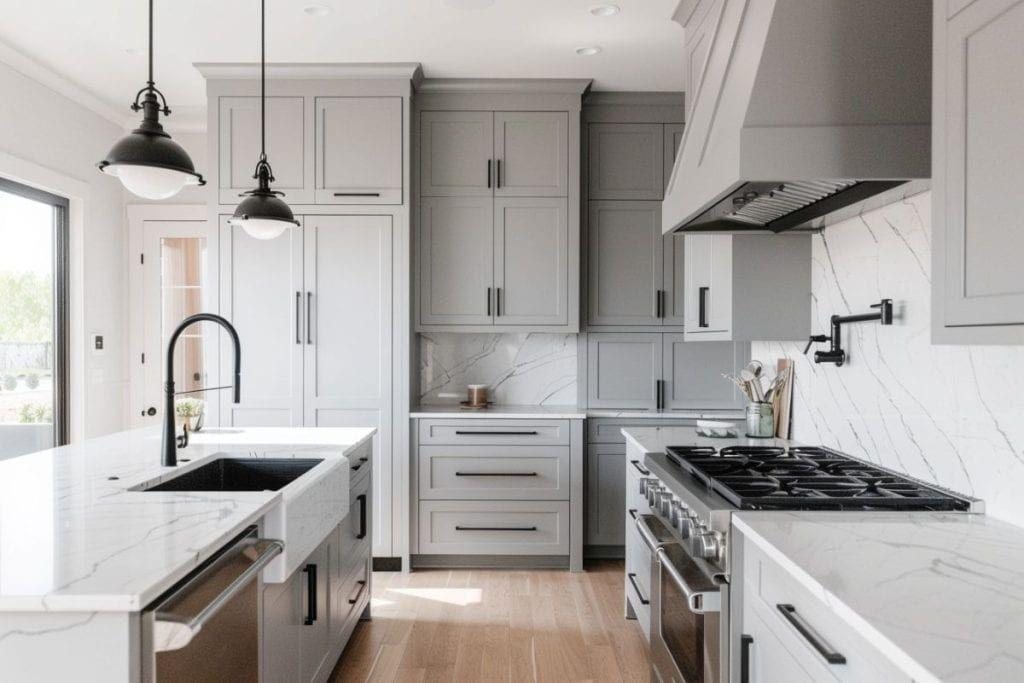
Gray and white create a clean and flexible kitchen palette. I like using gray cabinets with white countertops and backsplash tiles because the contrast is subtle but still gives the room definition. Pale gray can keep the kitchen bright, while charcoal creates a more dramatic appearance. Wood flooring or warm accessories can prevent cooler shades of gray from feeling sterile.
This combination works particularly well in contemporary and minimalist kitchens. If you want a neutral colour scheme that gives you plenty of freedom with hardware, artwork, and decorative accessories, gray and white are easy choices.
14. Olive Green and Beige Kitchen

Olive green and beige create an earthy colour combination that feels warm and sophisticated. I like using olive on cabinets and beige on walls, countertops, or surrounding surfaces. The two colours have warm undertones that work beautifully with natural wood and stone. Brass hardware can add a polished touch, while woven accessories can make the room feel more relaxed.
This palette is particularly attractive in modern organic, Mediterranean, rustic, and farmhouse kitchens. If you want colour without creating a bright or overly playful kitchen, olive and beige offer a beautiful middle ground.
15. White and Black With Wood Accents
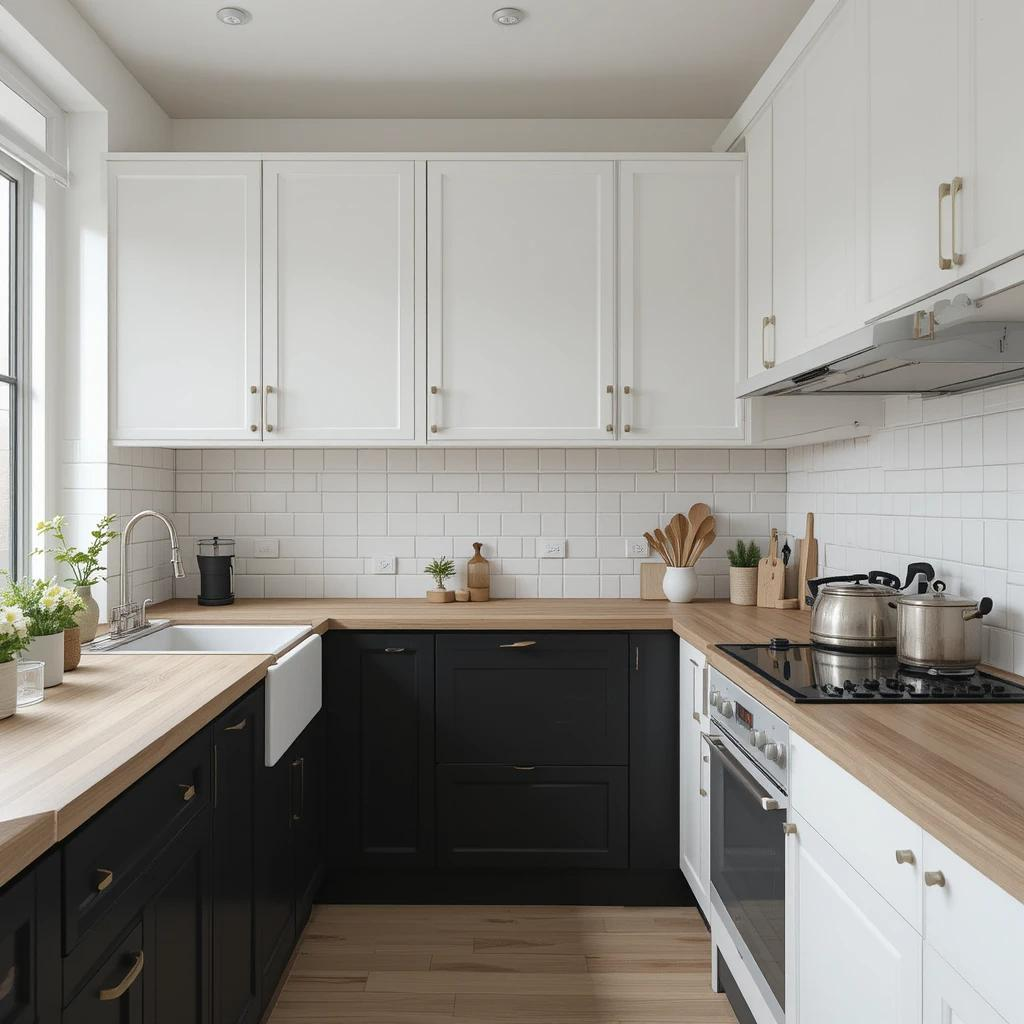
White, black, and natural wood create a balanced three-colour kitchen palette. I love this combination because each element has a clear role. White can keep the room bright, black can add contrast, and wood introduces warmth. You could use white upper cabinets, black lower cabinets, and a wooden island for a strong layered appearance.
Another option is white cabinetry with black hardware and wood shelving. This colour combination works beautifully in modern, Scandinavian, industrial, and contemporary kitchens. Keeping the three shades clearly distributed can help the room feel organized rather than visually busy.
16. Dusty Blue and Cream Kitchen

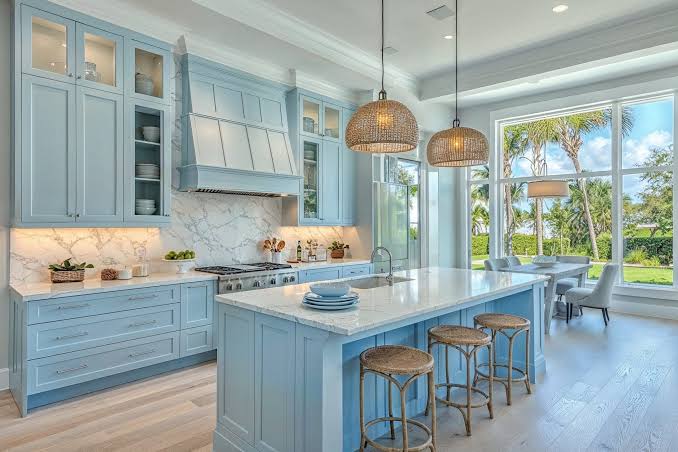
Dusty blue and cream create a soft kitchen palette that feels relaxed and welcoming. I like dusty blue because it adds colour without becoming too intense, while cream gives the room warmth. This combination can work particularly well with brass hardware, light wood flooring, and marble or stone countertops.
You can use blue on the cabinets and cream on the walls, or reverse the arrangement for a more subtle result. The palette suits cottage, coastal, traditional, Scandinavian, and contemporary kitchens. Adding a few natural textures can make the combination feel even more comfortable.
17. Deep Teal and White Kitchen
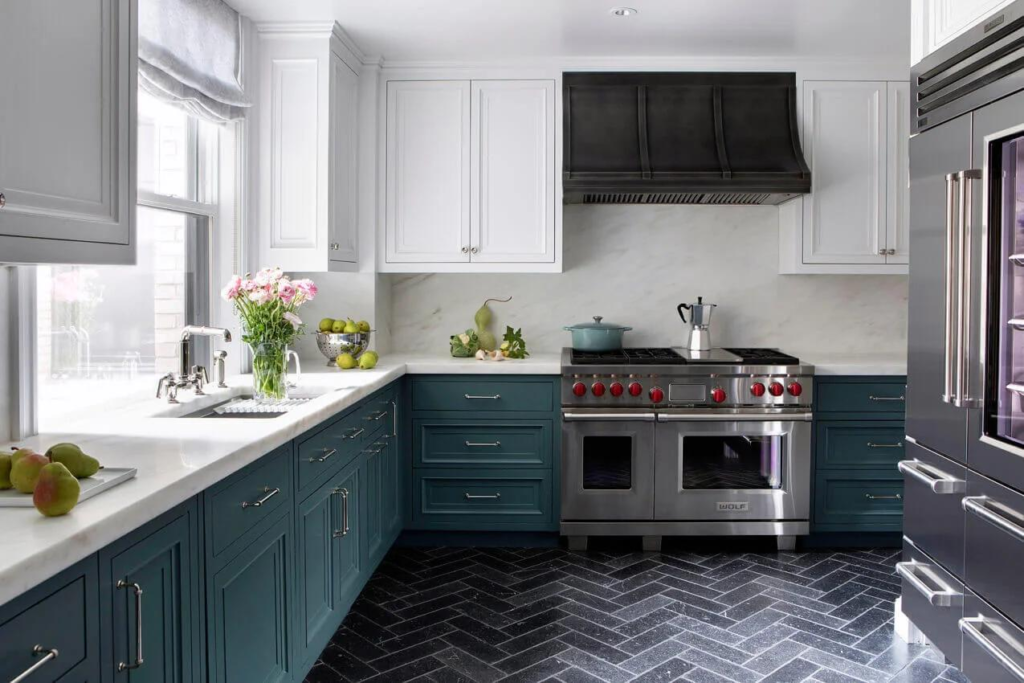
Deep teal and white can create a kitchen that feels colourful, sophisticated, and fresh. I love the richness of teal against crisp white countertops or backsplash tiles.
The combination works especially well when teal is used on the lower cabinets or island while white occupies the upper portion of the room. Brass hardware can introduce warmth, while natural wood can soften the overall contrast. If you want a kitchen that feels more distinctive than a traditional blue or green design, teal offers an interesting combination of both colours.
18. Warm Beige and Black Kitchen
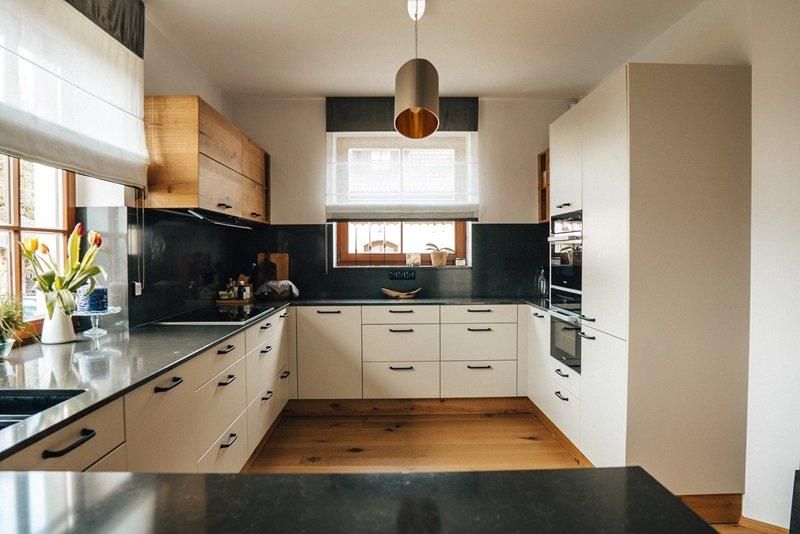
Warm beige and black can create a modern kitchen that feels stylish without becoming too stark. I like using beige on walls or cabinetry and black on hardware, lighting, lower cabinets, or an island. The warm neutral softens the stronger black elements and creates a comfortable backdrop.
Natural wood can be added for even more warmth, while stone countertops can introduce subtle texture. This palette is particularly effective in contemporary and modern farmhouse kitchens. If you enjoy strong contrast but still want a cozy atmosphere, beige and black are an excellent combination.
The right kitchen colour combination can make your space feel more balanced, comfortable, and stylish. I love that simple pairings such as white and wood can create warmth, while combinations like navy and white or green and brass can make a stronger statement. You can also use three colours carefully to create contrast without making the kitchen feel busy. Think about your cabinets, countertops, flooring, lighting, and nearby rooms before settling on a palette.
The colours should work together and support the way you use the space. With thoughtful choices, even a simple kitchen can feel fresh, welcoming, practical, and full of personality.