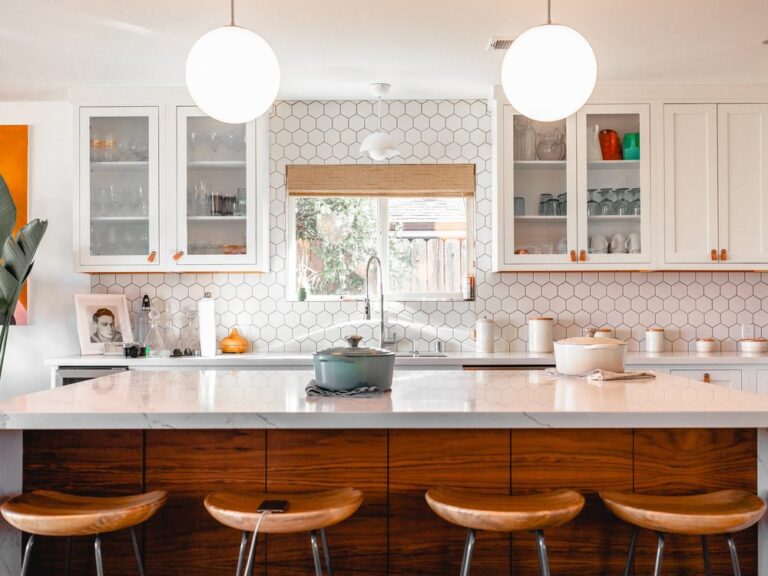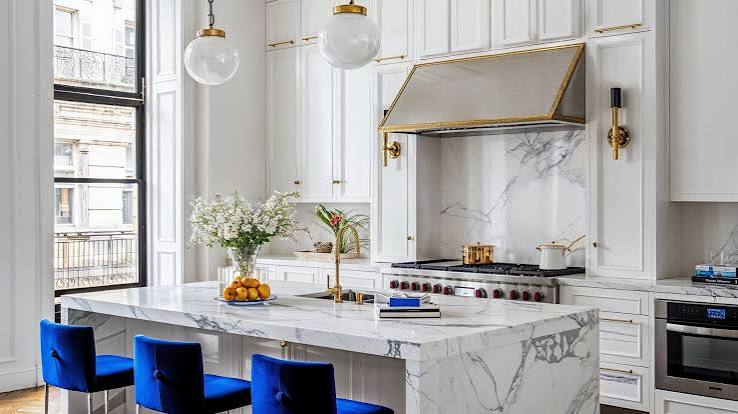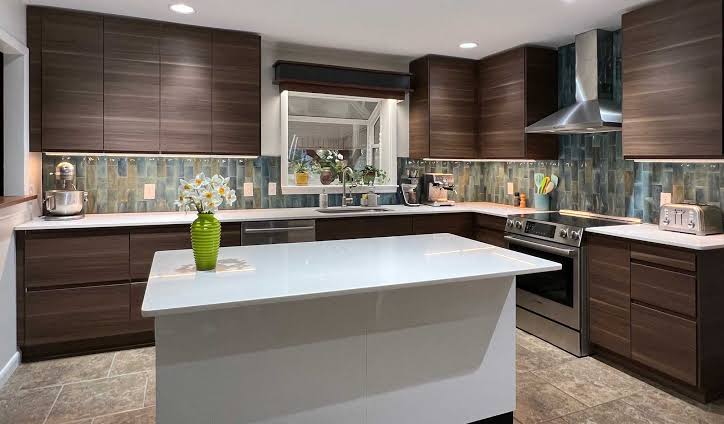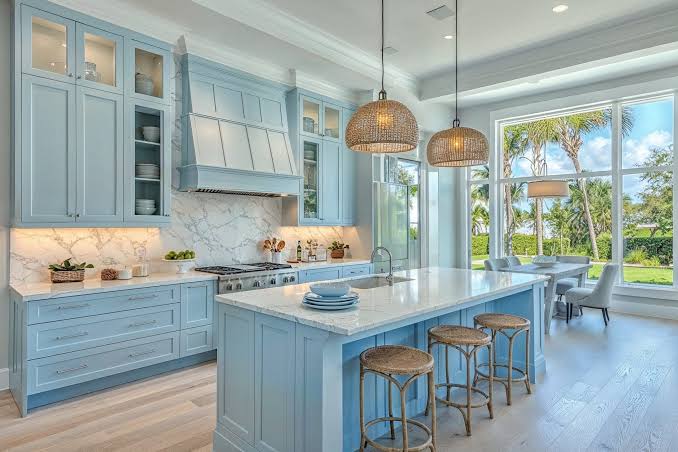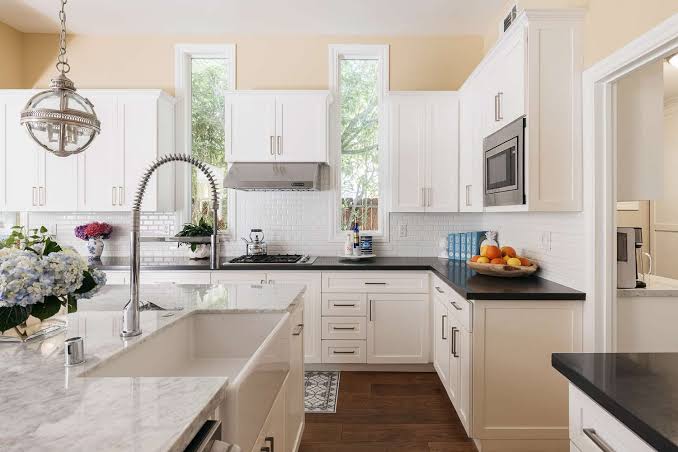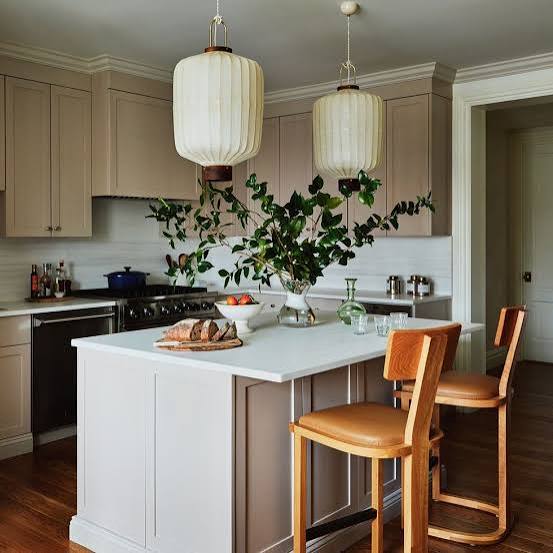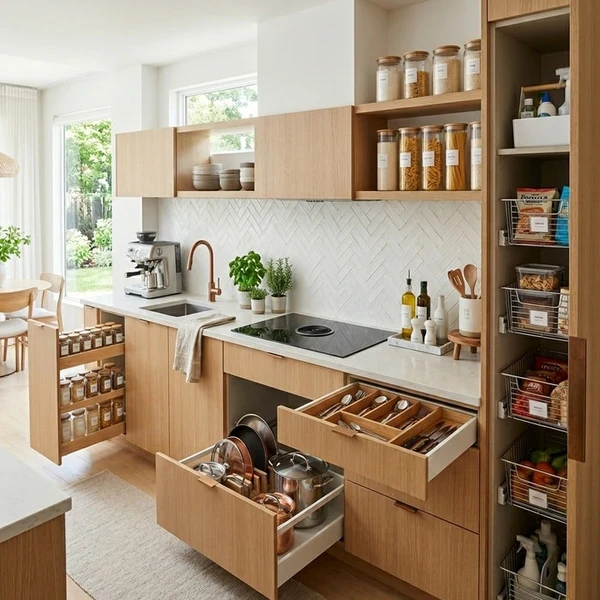
An organized kitchen can make cooking, cleaning, and everyday routines feel much easier. Good organization is not only about hiding clutter; it is also about creating a space that looks attractive and works well for your lifestyle.
Smart storage solutions can turn unused corners, cabinet doors, drawers, walls, and countertops into useful areas. Stylish baskets, labeled containers, open shelves, drawer dividers, and clever pantry systems can keep everything accessible while adding personality. These 23 kitchen organization ideas combine practical storage with beautiful design, helping you create a kitchen that feels tidy, welcoming, efficient, and enjoyable to use every single day.
1. Use Clear Pantry Containers

Clear containers are an easy way to make pantry organization look cleaner and more intentional. Transfer dry ingredients such as rice, pasta, cereal, flour, sugar, and snacks into matching airtight containers. Transparent sides allow you to see exactly what you have without opening multiple packages.
Add simple labels to create a polished appearance and make items easier to locate. Stackable containers can also help maximize vertical space. Choose a consistent style so the pantry looks cohesive. This approach can reduce visual clutter while making grocery planning and everyday cooking much easier.
2. Add Drawer Dividers

Kitchen drawers can quickly become chaotic when utensils are thrown together. Drawer dividers create individual sections for forks, spoons, knives, cooking utensils, measuring tools, and other essentials. Adjustable dividers are particularly useful because you can customize each compartment according to your needs.
Wooden organizers can add warmth to the interior, while bamboo and acrylic options offer a clean appearance. Measure the drawer before purchasing an organizer to ensure a good fit. A well-divided drawer makes finding everyday tools quicker and keeps the kitchen looking organized even during busy cooking sessions.
3. Install a Pegboard Wall

A pegboard can turn an empty kitchen wall into flexible storage. Hooks and shelves can hold pans, utensils, cutting boards, mugs, baskets, and other frequently used items. The arrangement can be changed whenever your storage needs evolve.
Paint the pegboard a color that complements your cabinets for a decorative appearance. Keep commonly used tools within easy reach and arrange them in visually pleasing groups. A pegboard is especially useful in small kitchens because it uses vertical wall space instead of consuming valuable counter or cabinet area.
4. Create a Coffee Station

A dedicated coffee station can keep your morning essentials together while adding a decorative feature to the kitchen. Reserve a small section of counter space for the coffee maker, mugs, coffee containers, and accessories. Install a shelf above it for additional storage if space permits. Matching jars and mugs can make the arrangement look intentional rather than cluttered.
A small tray can group several items together and make cleaning easier. Choose finishes that complement your kitchen hardware and cabinetry. A well-designed coffee corner combines convenience with a cozy café-inspired aesthetic.
5. Use Cabinet Door Storage

The inside of cabinet doors can provide surprisingly useful storage. Attach slim racks to hold spices, cutting boards, cleaning supplies, measuring spoons, or food wraps. Door-mounted baskets are particularly useful for small items that tend to disappear inside deep cabinets.
Make sure the organizer does not interfere with shelves or cabinet hinges before installation. Keeping small essentials on the door can free up shelf space for larger cookware and containers. This simple idea works especially well in compact kitchens where every available storage surface matters.
6. Add Open Shelving

Open shelves can provide practical storage while doubling as a decorative feature. Use them for attractive plates, bowls, glasses, jars, cookbooks, or small plants. Arrange objects according to color or size to create a visually balanced display.
Avoid overcrowding the shelves because too many items can quickly make the kitchen look messy. Wooden shelves bring warmth, while metal or painted shelves can complement contemporary interiors. Open shelving is particularly useful for frequently used items because everything remains visible and accessible.
7. Organize Spices in a Dedicated Rack

A dedicated spice system can make cooking much more convenient. Instead of searching through cabinets for individual jars, arrange spices in alphabetical order, by cuisine, or according to frequency of use.
A wall-mounted rack works well when counter space is limited, while a shallow drawer can provide a cleaner hidden solution. Matching jars with simple labels can create a neat visual effect. Keep frequently used spices near the cooking area for easy access. A well-organized spice collection can also help you notice duplicates and replace items before they run out.
8. Use a Rolling Kitchen Cart

A rolling cart provides flexible storage without requiring permanent cabinetry. Use it for baking supplies, drinks, vegetables, cookware, coffee accessories, or serving pieces. Because it can move around the kitchen, you can position it wherever extra workspace is needed.
Choose a cart that matches your interior style so it feels like part of the décor rather than an afterthought. Wooden carts create a warm appearance, while metal versions can suit industrial kitchens. A compact rolling cart is particularly valuable in apartments and small kitchens.
9. Install a Pot Rack

Pots and pans can consume significant cabinet space, so a pot rack can provide a practical alternative. Install a wall-mounted rack or hanging rail in a suitable area and display frequently used cookware. Besides freeing cabinet shelves, hanging cookware can create an attractive professional-kitchen aesthetic.
Choose a rack finish that coordinates with your cabinet hardware or lighting fixtures. Keep the arrangement organized rather than hanging every piece you own. This idea works especially well in rustic, industrial, farmhouse, and traditional kitchens.
10. Create a Baking Station

If you enjoy baking, creating a dedicated baking station can make the kitchen much easier to manage. Group flour, sugar, baking powder, chocolate chips, sprinkles, measuring cups, and baking tools together. Use labeled containers and baskets to keep similar ingredients organized.
Store frequently used baking equipment close to the preparation area. A drawer can hold measuring spoons and smaller tools, while a cabinet can accommodate mixing bowls and pans. Keeping baking supplies together saves time and prevents ingredients and equipment from spreading across multiple kitchen areas.
11. Use Under-Sink Organizers

The cabinet beneath the sink often becomes one of the messiest areas in the kitchen. Stackable bins, pull-out drawers, and narrow organizers can turn this awkward space into useful storage. Group dishwashing supplies, sponges, cloths, trash bags, and cleaning products into separate containers. Avoid overcrowding the cabinet so everything remains easy to reach.
A small tray can keep bottles upright and prevent spills. Since plumbing takes up valuable space, choose adjustable storage products designed to work around pipes.
12. Organize Cutting Boards Vertically

Cutting boards can be difficult to stack neatly because they are large and awkwardly shaped. A vertical rack can solve this problem while making each board easy to grab. Place the organizer inside a cabinet, on a counter, or inside a deep drawer depending on your available space.
Separate boards according to purpose if you use several sizes. Wooden boards can even become decorative elements when displayed openly against a backsplash. Vertical storage keeps boards accessible and prevents them from creating a messy pile.
13. Add a Breakfast Drawer

A dedicated breakfast drawer can keep morning essentials together and make busy mornings smoother. Use compartments or small containers to organize tea bags, coffee packets, granola bars, napkins, cereal accessories, and other breakfast items.
If children use the kitchen, place appropriate snacks in an easily accessible lower drawer. Label sections so everyone knows where things belong. A breakfast drawer is especially useful when the kitchen lacks a large pantry. It creates a designated home for small items that might otherwise spread across counters and cabinets.
14. Use Lazy Susans in Cabinets

Lazy Susans can make deep cabinets much easier to use. Place one inside a corner cabinet or pantry to store sauces, oils, spices, condiments, and jars. Instead of reaching toward the back and moving several containers, simply rotate the tray to find what you need.
Choose a size that fits comfortably within the cabinet and avoid stacking too many heavy items. A clear or wooden Lazy Susan can also look attractive when used in an open pantry. This simple organizational tool can reduce wasted cabinet space significantly.
15. Create a Dedicated Utensil Wall

A utensil wall can turn everyday cooking tools into part of the kitchen décor. Install a rail with hooks and hang spatulas, ladles, whisks, measuring cups, and other frequently used utensils. Position the rail near your main preparation or cooking area for convenient access. Matching utensils can create a more cohesive visual appearance, while wooden tools add warmth.
Avoid hanging too many items because a crowded rail can look messy. This solution is particularly useful in small kitchens where drawer space is limited.
16. Add Pull-Out Pantry Shelves

Pull-out shelves can make deep cabinets much more functional. Instead of reaching into the back of a cupboard, simply slide the shelf toward you to access stored items. These systems work especially well for canned foods, sauces, cooking oils, dry goods, and cleaning products.
Narrow pull-out units can also fit into gaps between appliances and cabinets. Group similar products together and label sections for easy identification. Pull-out storage is a practical upgrade for kitchens where deep cabinets often lead to forgotten or inaccessible items.
17. Organize Food Wraps Vertically

Plastic wrap, aluminum foil, parchment paper, and storage bags can quickly create clutter inside kitchen drawers. A dedicated organizer keeps these rolls together and makes them easier to grab. Vertical dividers can separate different products, while mounted dispensers can provide convenient access. Choose an organizer that fits the dimensions of your drawer or cabinet.
Grouping food-storage products together also makes inventory easier to manage. This small organizational improvement can free valuable drawer space and make meal preparation more efficient.
18. Use Matching Storage Baskets

Matching baskets can make open kitchen storage look intentional and stylish. Use them inside pantry shelves, lower cabinets, or on open shelving to group snacks, towels, baking supplies, and miscellaneous items.
Woven baskets introduce natural texture, while fabric or wire baskets can create a different aesthetic. Label each basket so you can quickly identify its contents. Consistent basket sizes can make shelves appear more organized. This solution is particularly helpful when you want to hide visual clutter without sacrificing convenient access to frequently used items.
19. Create a Dedicated Appliance Garage

An appliance garage can keep bulky countertop appliances hidden when they are not being used. A dedicated cabinet section can hold a toaster, blender, coffee machine, or mixer while keeping the main counters visually clear.
Choose a location near electrical outlets so appliances remain convenient to use. A retractable or lift-up door can provide easy access without requiring much surrounding space. This organization idea is particularly effective in minimalist and modern kitchens where a clean countertop contributes significantly to the overall appearance.
20. Organize the Refrigerator With Bins

Refrigerator bins can make food storage significantly easier to manage. Use clear containers to group snacks, dairy products, sauces, fruit, vegetables, or ready-to-eat foods. Labeling bins can help everyone in the household return items to the correct place.
Avoid packing containers too tightly because air circulation is important for proper refrigerator performance. Transparent bins also make it easier to see what needs to be used soon. A well-organized refrigerator can reduce food waste and make meal preparation quicker.
21. Add a Dedicated Recycling Station

A dedicated recycling station can make waste sorting easier while keeping the kitchen tidy. Use separate labeled bins for recycling and general waste if your local system supports those categories.
Pull-out cabinet systems can hide the containers while keeping them conveniently accessible. Choose durable bins that are easy to clean and sized appropriately for your household. A well-designed recycling area prevents bags and containers from taking over valuable floor space. This practical feature can be integrated into both modern and traditional kitchen designs.
22. Use a Narrow Rolling Pantry

A narrow rolling pantry can transform an unused gap into valuable storage. Slim carts can fit between a refrigerator and cabinet or beside another appliance, depending on the available dimensions. Use the shelves for spices, sauces, canned goods, baking supplies, or bottles.
Since the cart rolls out, you can access items stored toward the back without digging through cabinets. Choose a design that matches your kitchen finishes so the pantry looks intentional. Measure the available gap carefully before purchasing to ensure smooth movement.
23. Create a Stylish Countertop Tray

A simple countertop tray can make everyday kitchen items look much more organized. Use one tray to group items such as cooking oils, salt, pepper, utensils, or coffee accessories instead of scattering them across the counter. Wooden trays create warmth, marble trays feel elegant, and metal trays can suit industrial kitchens. The key is limiting the number of items placed inside.
A tray also makes cleaning easier because you can move several objects at once. This small organizational detail can give the countertop a polished and intentional appearance.
A well-organized kitchen can combine practicality with beautiful design, making everyday routines easier and the entire room more enjoyable. Smart storage does not always require a major renovation. Simple additions such as drawer dividers, clear containers, baskets, shelves, racks, trays, and rolling carts can create noticeable improvements. Focus on giving every item a dedicated place while keeping frequently used essentials easy to reach.
Decorative organization can also make storage feel like part of your kitchen’s design rather than a chore. Try these ideas according to your available space, cooking habits, and style to create a kitchen that stays functional, tidy, and inviting.