Kitchen cabinets cover a large portion of your cooking space, so their color can have a major impact on the entire room. The right shade can make a kitchen feel brighter, warmer, larger, more sophisticated, or wonderfully cozy.
You can keep things timeless with white, create drama with navy, or introduce a natural feeling with sage green and warm wood tones. Two-tone combinations can also add depth without overwhelming the design. These 22 kitchen cabinet color ideas explore beautiful shades and combinations suitable for many decorating styles. Use them to find inspiration for a kitchen that feels welcoming, stylish, comfortable, and uniquely yours.
1. Classic White Kitchen Cabinets

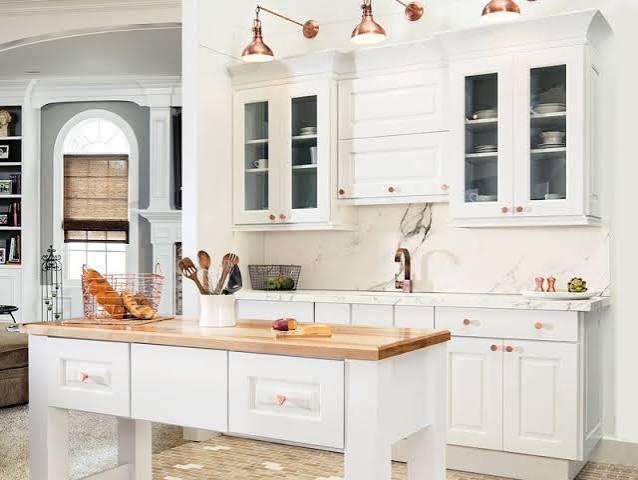
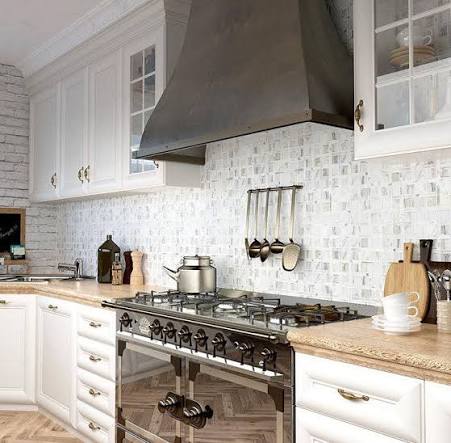
White kitchen cabinets remain a favorite because they create a clean, bright, and timeless appearance. They can make smaller kitchens feel more spacious while reflecting natural light around the room.
Pure white works beautifully in modern spaces, while warmer ivory or creamy shades can create a softer atmosphere. Pair white cabinets with natural wood counters for a cozy farmhouse feeling or marble surfaces for an elegant appearance. Black hardware can introduce contrast, while brass handles add warmth. Since white works with almost every style, it is an easy choice for creating an inviting kitchen.
2. Sage Green Cabinets

Sage green cabinets can bring a calm, natural feeling into the kitchen. This muted shade is colorful enough to create personality while remaining subtle enough for everyday living. Sage pairs beautifully with white countertops, natural wood, cream walls, and brass hardware.
You can use it across all cabinetry or introduce it only on the lower cabinets for a two-tone effect. Add plants, woven accessories, and warm lighting to strengthen the organic atmosphere. Sage green is particularly appealing in farmhouse, cottage, Scandinavian, and modern organic kitchens.
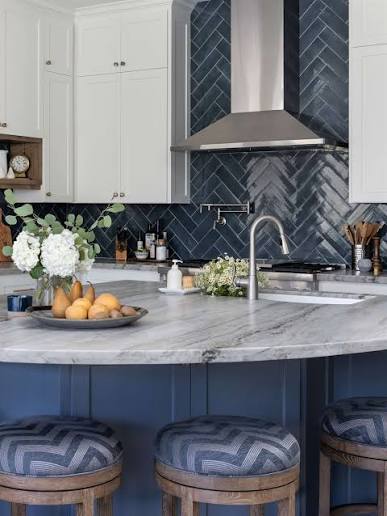
3. Navy Blue Cabinets

Navy blue cabinets can make a kitchen feel elegant, confident, and sophisticated. The deep color provides strong contrast against white walls and light countertops while still feeling classic.
Brass or gold hardware can add warmth, while brushed nickel creates a cooler modern appearance. Navy works especially well on lower cabinets paired with white uppers, allowing the room to maintain a bright atmosphere. If your kitchen has plenty of natural light, using navy across the entire cabinet system can create a dramatic yet welcoming interior.
4. Warm Cream Cabinets

Cream cabinets are perfect if you love the brightness of white but prefer something softer and warmer. Their subtle yellow or beige undertones can make the kitchen feel cozy and inviting. Cream looks beautiful alongside natural wood, warm stone, brass fixtures, and beige flooring.
It can also soften kitchens that contain darker countertops or dramatic backsplashes. Use cream cabinetry throughout the kitchen for a relaxed appearance, or combine it with wood on an island. This shade works especially well in traditional, farmhouse, cottage, and transitional interiors.
5. Charcoal Gray Cabinets

Charcoal gray cabinets provide the drama of black without feeling quite as intense. This deep neutral works beautifully with white countertops, natural wood, stainless steel, and warm metallic accents.
Matte charcoal finishes create a sophisticated contemporary appearance, while slightly lighter gray can feel softer. Consider using charcoal cabinets on the lower section and lighter cabinets above to maintain visual balance. Good lighting is important when using dark cabinetry, especially in compact kitchens. This color is an excellent choice for modern, industrial, transitional, and minimalist designs.
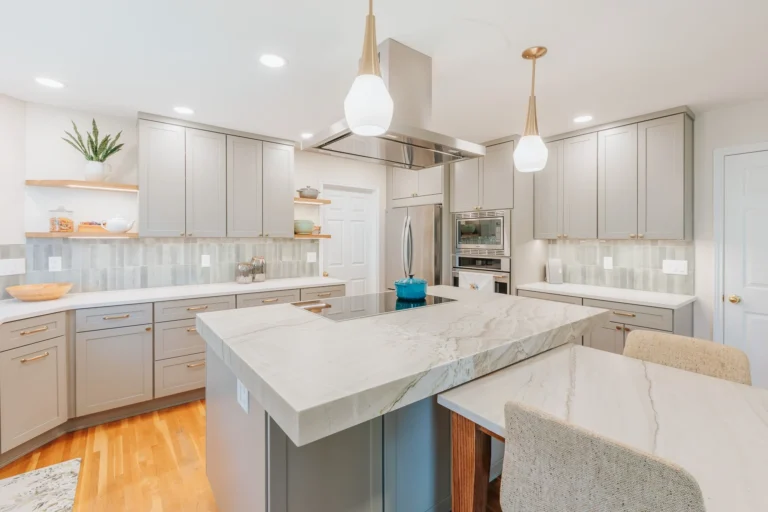
6. Light Gray Cabinets

Light gray cabinets offer a sophisticated alternative to traditional white. The subtle color provides definition while maintaining a bright and airy atmosphere. Soft gray works particularly well with white marble, quartz countertops, light wood flooring, and stainless steel appliances.
You can add black hardware for contrast or brass for warmth. Because gray is neutral, it can easily support colorful backsplashes, artwork, and accessories. This shade is especially useful when you want a modern kitchen that feels polished without becoming stark or overly formal.
7. Forest Green Cabinets

Forest green cabinets can create a rich and cozy kitchen with a connection to nature. The deep green shade works beautifully with natural wood, cream walls, stone countertops, and brass hardware. It can create an especially dramatic effect when paired with warm lighting.
If an entire green kitchen feels too bold, consider using forest green only on the island or lower cabinets. Add plants and natural textures to reinforce the organic mood. This color is ideal for kitchens inspired by traditional, cottage, English country, and modern organic interiors.
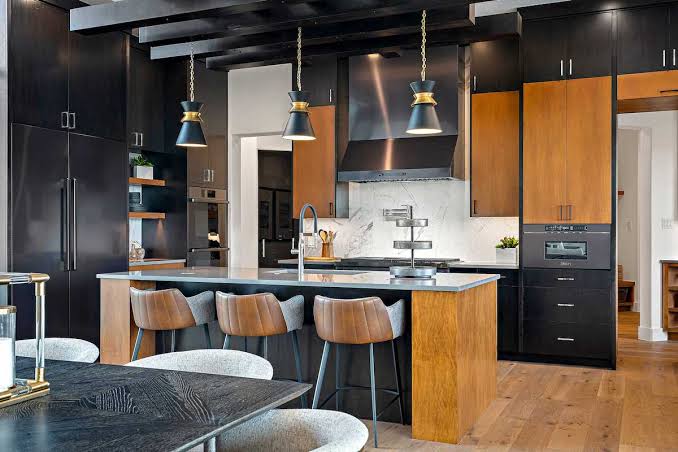
8. Black Kitchen Cabinets

Black cabinets can create an incredibly stylish and dramatic kitchen. Matte black finishes offer a contemporary appearance, while satin finishes provide a little more softness.
Pair black cabinetry with white countertops and walls to create strong contrast, or combine it with warm wood for a sophisticated modern-organic look. Metallic hardware can add another layer of detail. Since black absorbs light, make sure the room has sufficient natural or artificial illumination. Used thoughtfully, black cabinets can make the kitchen feel luxurious, confident, and beautifully distinctive.
9. Dusty Blue Cabinets

Dusty blue cabinets can bring a gentle, relaxed feeling into the kitchen. This muted shade provides more personality than gray while remaining easy to decorate around. Combine it with white counters, pale wood, cream walls, and brushed brass hardware.
Dusty blue can work particularly well in kitchens with plenty of natural light because the color changes subtly throughout the day. It is a lovely choice for coastal, cottage, farmhouse, and Scandinavian-inspired interiors. Use simple accessories so the soft cabinet color remains the main feature.
10. Terracotta Cabinets

Terracotta cabinetry can make a kitchen feel warm, earthy, and full of personality. The reddish-orange shade creates a welcoming atmosphere and works beautifully with cream, beige, natural wood, and stone surfaces. Brass or antique bronze hardware can enhance the warm palette.
If full terracotta cabinetry feels too bold, use the color on an island or a small section of lower cabinets. This shade is especially effective in Mediterranean, rustic, eclectic, and contemporary kitchens where rich earthy colors can become a major design feature.
11. Taupe Kitchen Cabinets

Taupe cabinets offer a beautiful balance between gray and beige. The versatile neutral can make a kitchen feel warm without appearing overly traditional. Pair taupe with cream walls, white countertops, natural wood, and black or brass hardware.
It works especially well in kitchens that use several neutral textures because it adds color while maintaining a calm overall palette. Taupe can also complement both cool and warm finishes, making it an adaptable choice. This shade is ideal for transitional, modern farmhouse, contemporary, and minimalist kitchens.
12. Olive Green Cabinets

Olive green cabinets offer a sophisticated earthy alternative to brighter greens. Their muted tone feels grounded and works beautifully with cream, beige, wood, and natural stone. Pair olive cabinetry with aged brass hardware for a warm vintage-inspired look or black fixtures for a contemporary appearance.
The shade can be used across the entire kitchen or limited to an island for a more subtle effect. Olive green is particularly attractive in homes that embrace natural textures, plants, warm lighting, and relaxed decorating styles.
13. Soft Pink Cabinets

Soft pink cabinets can create a charming and unexpected kitchen. Blush, dusty rose, and muted pink shades are easier to decorate around than extremely bright pinks. Pair them with white countertops, light wood, brass hardware, or warm beige walls.
A pale pink island can also introduce color without covering the entire kitchen in the shade. This idea works particularly well in playful, vintage, eclectic, and contemporary spaces. Keep surrounding finishes relatively understated so the cabinet color feels intentional rather than overwhelming.
14. Deep Teal Cabinets

Deep teal combines the richness of blue with the natural character of green, creating a striking cabinet color. It can make the kitchen feel sophisticated while introducing a distinctive splash of personality. Teal pairs beautifully with white marble, warm wood, brass hardware, and cream walls. Use it throughout a well-lit kitchen for a bold statement or reserve it for the island for a smaller pop of color.
This shade is excellent for eclectic, contemporary, coastal, and vintage-inspired kitchens.
15. Warm Wood Cabinets

Warm wood cabinets can instantly make a kitchen feel comfortable and connected to nature. Oak, walnut, and other wood finishes introduce natural grain and texture that painted cabinets cannot always replicate. Pair warm wood with white countertops and backsplash materials for a fresh modern contrast.
Matte black or brushed brass hardware can add definition. You can also combine wood lower cabinets with painted uppers for a balanced two-tone design. Natural wood works particularly well in Scandinavian, modern organic, farmhouse, rustic, and contemporary kitchens.
16. Mustard Yellow Cabinets

Mustard yellow cabinets can bring energy and warmth into the kitchen without looking overly bright. The earthy yellow tone pairs beautifully with cream, white, dark green, natural wood, and warm metals. If you want a statement kitchen, use mustard across the main cabinetry.
For a subtler approach, introduce it on the island or a single cabinet section. Keep the backsplash relatively simple so the color remains the focal point. This cheerful shade works especially well in retro, eclectic, farmhouse, and personality-filled kitchens.
17. Two-Tone White and Wood Cabinets

White and wood cabinetry creates a balanced combination of brightness and warmth. Use white cabinets across the upper sections and natural wood on the lower cabinets, or reverse the arrangement depending on your preferred visual effect. A wood island surrounded by white cabinetry can also create a beautiful centerpiece. Keep countertops neutral to let the two cabinet finishes work together.
This combination suits modern, Scandinavian, farmhouse, and transitional kitchens. It is particularly useful when you want a kitchen that feels contemporary without losing natural warmth.
18. Blue-Gray Cabinets

Blue-gray cabinets combine the calm quality of blue with the versatility of gray. The result is a sophisticated color that changes subtly depending on lighting and surrounding finishes. Pair blue-gray cabinetry with white counters, light wood floors, brushed nickel, or brass hardware.
It can work beautifully in both traditional and modern kitchens. If the room has limited natural light, select a lighter blue-gray rather than a very deep shade. This cabinet color provides personality without dominating the entire design.
19. Chocolate Brown Cabinets

Chocolate brown cabinets can create a rich, cozy atmosphere while adding depth to the kitchen. Deep brown works particularly well with cream countertops, warm lighting, natural stone, and brass hardware. To prevent the space from feeling too dark, balance the cabinetry with lighter walls, flooring, or backsplash materials.
Wood-grain brown cabinets can also add texture and make the kitchen feel more connected to natural materials. This color is especially suitable for traditional, rustic, transitional, and sophisticated modern interiors.
20. Pale Mint Cabinets

Pale mint cabinets can give the kitchen a fresh and cheerful appearance. The soft green shade works particularly well with white countertops, light wood, cream walls, and delicate metallic hardware.
It can brighten a compact kitchen while introducing more personality than a completely neutral palette. Mint is especially appealing in cottage, vintage, coastal, and playful contemporary kitchens. Add ceramic accessories, greenery, or simple patterned textiles to complete the look. For a subtle design, use mint on an island or lower cabinetry while keeping the rest of the kitchen neutral.
21. Greige Cabinets

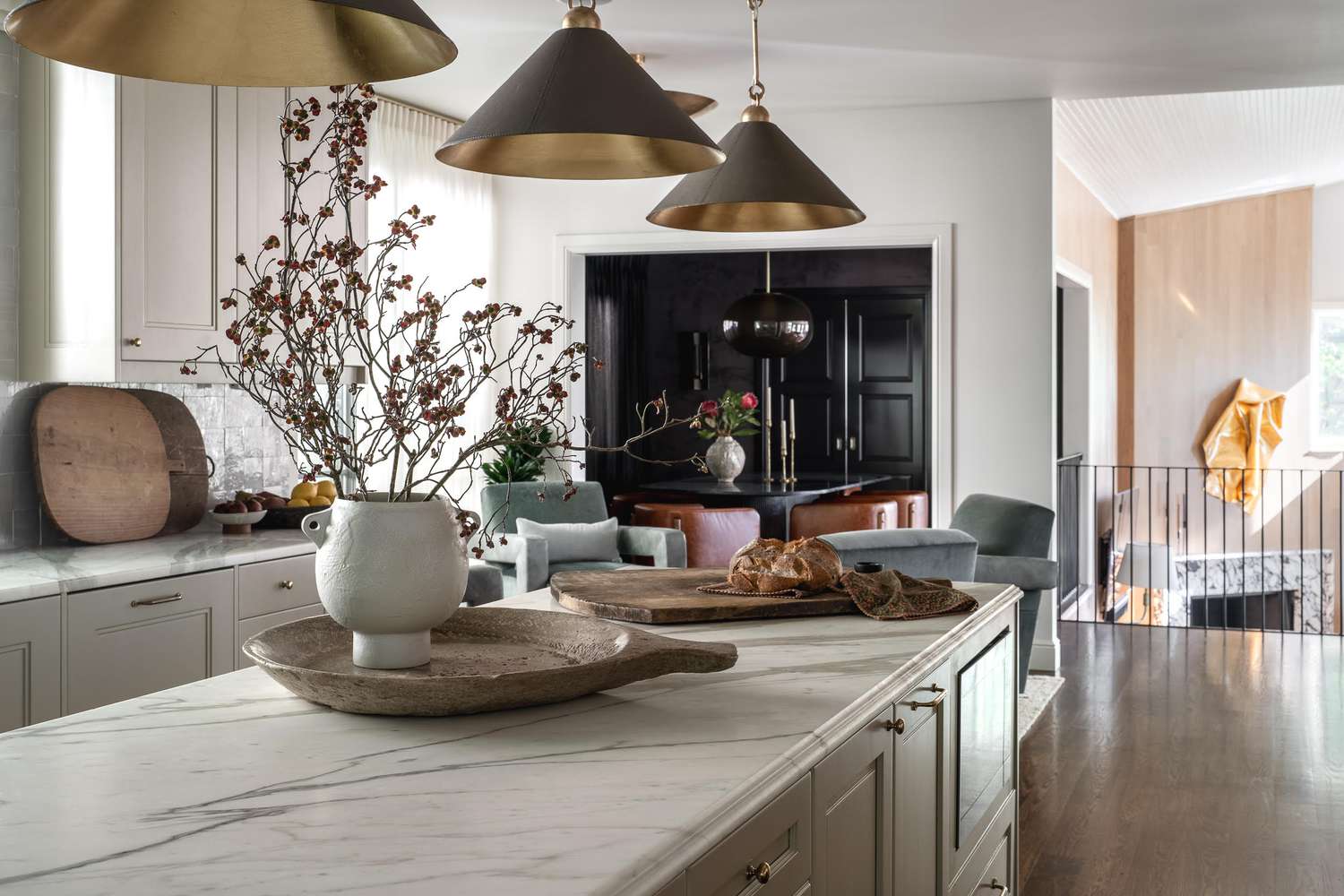
Greige combines gray and beige to create a highly versatile neutral. It can feel warmer than traditional gray while offering more depth than plain beige. Greige cabinets work beautifully with white countertops, natural wood, stone backsplashes, black hardware, and brass fixtures.
The shade can adapt easily to different lighting conditions and decorating styles. It is particularly useful if you want a timeless kitchen that does not feel overly cold or stark. Greige is a strong choice for modern farmhouse, transitional, contemporary, and minimalist interiors.
22. Deep Burgundy Cabinets

Deep burgundy cabinets can give a kitchen a dramatic, sophisticated personality. This rich red shade works beautifully with cream, warm white, natural wood, marble, and brass accents. It can create an intimate atmosphere, particularly when paired with warm lighting and traditional hardware.
If using burgundy throughout the kitchen feels too intense, consider placing it only on the island or lower cabinets. Keep the remaining finishes relatively neutral so the cabinetry remains the focal point. Burgundy is especially suited to eclectic, traditional, vintage-inspired, and luxurious kitchens.
The color of your kitchen cabinets can completely transform the atmosphere of your cooking space. Soft neutrals can create a calm and timeless setting, while greens, blues, burgundy, and mustard can add personality and visual interest. Natural wood brings warmth, while black and charcoal offer dramatic sophistication. Two-tone combinations provide another opportunity to balance contrasting finishes and create depth.
Before choosing a shade, consider your lighting, countertop, backsplash, flooring, and hardware so everything works together. The perfect cabinet color should make the kitchen feel comfortable and inviting while reflecting your decorating style. Explore these ideas and create a space you genuinely enjoy.