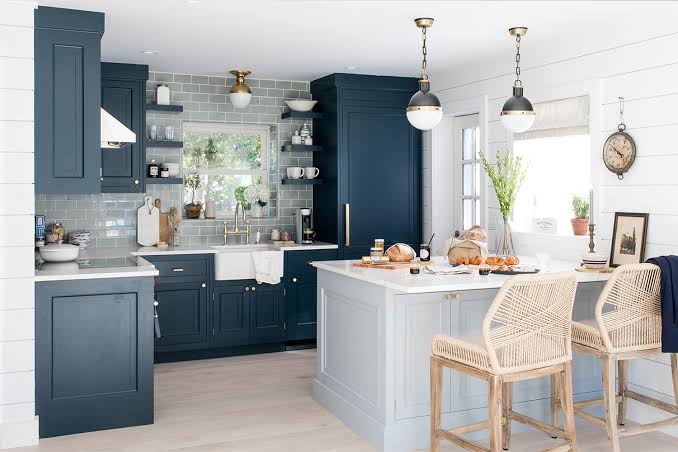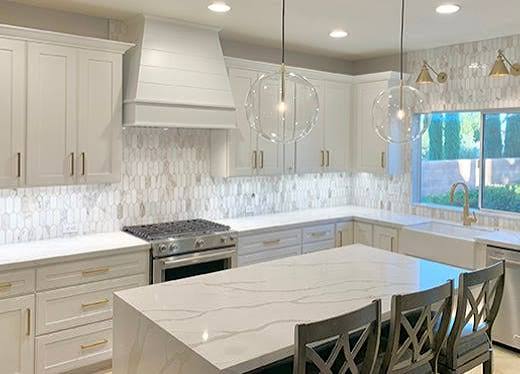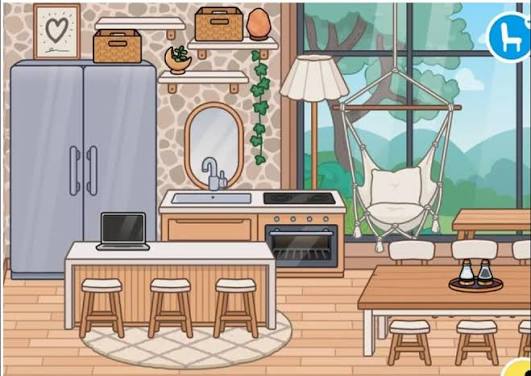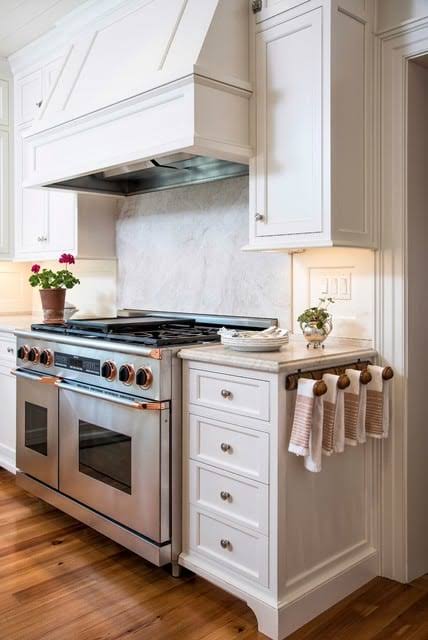
A neutral kitchen can feel calm, bright, comfortable, and timeless without looking boring. I love using soft colors because they create an easy foundation for different textures, materials, and decorative details. Shades like white, cream, beige, taupe, gray, and soft brown can work beautifully together while giving the kitchen a polished appearance. Neutral colors also make it easier to change accessories when your decorating taste evolves.
In this article, I’m sharing neutral kitchen ideas that can create a noticeable visual difference without requiring a complete renovation. These looks can help you build a kitchen that feels stylish, practical, welcoming, and easy to enjoy every day.
1. White and Beige Kitchen

White and beige make a beautiful combination when you want a kitchen that feels bright but still warm. I like using white countertops or walls with beige cabinetry because the two shades create gentle contrast without making the room feel busy. Natural wood accessories can add another layer of warmth, while brass or black hardware can provide definition.
Keep the backsplash simple if you want the cabinetry to remain the main feature. This color combination works well in modern, farmhouse, and transitional kitchens. It is also easy to refresh later because almost any neutral accessory can complement the palette.
2. Warm Neutral Kitchen

Warm neutrals can make a kitchen feel especially inviting and comfortable. I like combining cream, beige, taupe, warm white, and light brown to create a soft layered palette. Instead of using one color across every surface, introduce subtle variations through cabinets, countertops, flooring, and accessories. Wood is an excellent material for adding natural texture, while woven baskets and ceramic pieces can make the space feel more relaxed.
Warm pendant lighting can enhance the color palette in the evening. This approach works particularly well if you want a kitchen that feels cozy while still maintaining a clean and modern appearance.
3. Neutral Kitchen With Wood Accents

Wood accents can prevent a neutral kitchen from feeling flat or overly plain. I love adding natural wood through floating shelves, bar stools, cutting boards, cabinet details, or an island. Light oak creates an airy Scandinavian-inspired appearance, while medium or dark wood provides more contrast.
Keep the main kitchen colors soft so the wood becomes a noticeable texture without overwhelming the space. You can also add woven baskets and wooden bowls to repeat the natural theme. This simple combination works with many kitchen styles and gives a neutral room a warmer, more lived-in personality.
4. Gray Neutral Kitchen

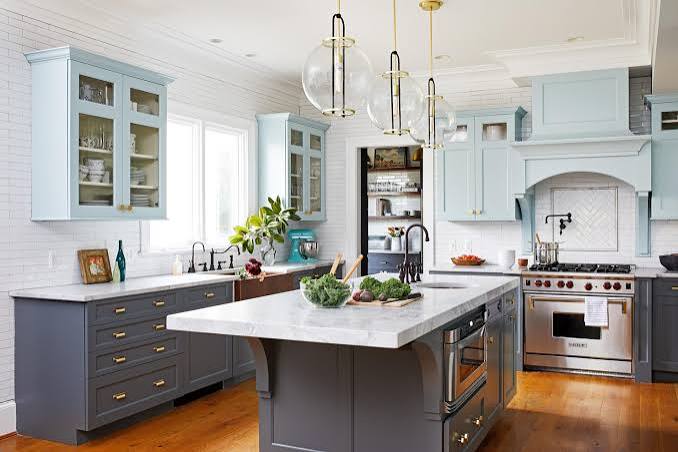
Gray can create a sophisticated neutral kitchen without relying on bright white. I prefer soft gray shades because they provide subtle depth while keeping the overall room calm. Pair gray cabinets with white or cream countertops for a gentle contrast, or combine different gray tones for a more layered monochromatic look.
Wood accents can soften cooler gray surfaces, while black hardware can create a modern edge. Plants and ceramic accessories can add small touches of natural color. Gray works particularly well in contemporary kitchens where you want a clean appearance with a little more visual depth.
5. Cream Kitchen

Cream is a wonderful alternative to bright white when you want a softer kitchen. I like cream cabinetry because it creates a warm backdrop for wood, stone, brass, and natural textiles. Pair it with a creamy countertop for a subtle monochromatic appearance or introduce light brown accents for additional contrast.
Warm lighting complements cream particularly well and creates a comfortable evening atmosphere. Simple ceramic dishes, wooden cutting boards, and small plants can complete the look. This color works beautifully in traditional, farmhouse, transitional, and modern kitchens, making it an easy choice for a timeless makeover.
6. Neutral Kitchen With Marble Countertops

Marble countertops can add visual interest to a neutral kitchen without introducing a strong color. I love the subtle veining because it creates movement across an otherwise calm palette. White or cream marble can work beautifully with beige, taupe, gray, or white cabinets. Keep the surrounding finishes simple so the natural pattern remains noticeable.
Brass hardware can add warmth, while black fixtures can create a sharper modern contrast. If natural marble does not suit your maintenance preferences, a marble-look surface can provide a similar appearance. This combination is ideal when you want understated elegance without excessive decoration.
7. Minimalist Neutral Kitchen

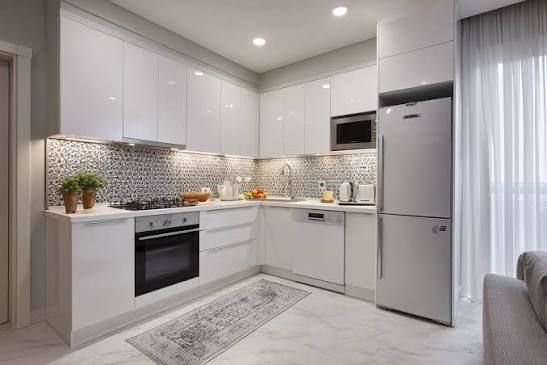
A minimalist neutral kitchen focuses on simplicity, clean lines, and carefully selected details. I like using soft beige, warm white, or light gray cabinets with streamlined hardware and mostly clear countertops. Instead of filling shelves with decorations, choose just a few items that are both useful and attractive.
Natural wood can introduce subtle warmth, while stone or ceramic surfaces add texture. Good lighting is also important because it keeps the neutral palette looking dimensional. This style works particularly well if you prefer an uncluttered environment where the materials, architecture, and simple color palette create the visual interest.
8. Neutral Kitchen With Black Accents

Black accents can give a neutral kitchen more definition and personality. I like using black through cabinet handles, faucets, pendant lights, stools, or window frames. Against cream, beige, or white surfaces, these details stand out beautifully without changing the overall neutral character. Repeat black in several small areas so the design feels balanced.
Wooden accessories can soften the contrast and keep the kitchen welcoming. This combination is particularly effective in modern and minimalist kitchens. It also gives you an easy way to update a neutral space because changing hardware or lighting can make a noticeable visual difference.
9. Neutral Kitchen With Open Shelves

Open shelves can make a neutral kitchen feel more personal while adding useful storage. I like using natural wood shelves against cream, white, or light gray walls because they introduce warmth and texture. Display simple ceramics, glass jars, cookbooks, plants, and wooden bowls to create an attractive arrangement. Avoid filling every shelf because some empty space keeps the room looking light. Open shelving is also convenient for items you use regularly.
If you prefer a coordinated appearance, choose accessories within a limited color palette. This creates a relaxed display without losing the clean feeling of a neutral kitchen.
10. Neutral Kitchen With Brass Hardware

Brass hardware can bring warmth and subtle elegance to a neutral kitchen. I especially like brushed brass against cream, beige, and warm white cabinets because the finishes share similar undertones. You can repeat brass through cabinet pulls, faucets, pendant lights, and small decorative details. Keep the countertop and backsplash relatively simple so the hardware remains noticeable.
Brass also works beautifully with natural wood, marble, and soft neutral fabrics. This is an easy upgrade if you do not want to replace your cabinets. Swapping old handles and coordinating fixtures can give an existing kitchen a fresh and more polished appearance.
11. Neutral Kitchen With Greenery

Greenery can bring life and freshness into a neutral kitchen. I love placing small plants on open shelves, countertops, windowsills, or an empty corner. Herbs can also be useful additions if your kitchen provides suitable growing conditions. Green leaves look especially attractive against beige, cream, white, and gray backgrounds because they provide natural contrast.
Use ceramic, terracotta, or woven planters to add another layer of texture. You do not need many plants to make a difference. Even two or three carefully positioned pieces can make a neutral kitchen feel more lively and comfortable.
12. Neutral Kitchen With Textured Backsplash

Texture can make a neutral kitchen much more interesting without adding bold colors. I like using handmade-look tiles, subtle stone, softly patterned ceramic, or lightly textured surfaces for the backsplash. Choose a shade close to the cabinets for a calm appearance, or select a slightly darker neutral for gentle contrast.
The texture creates shadows and variation that become more noticeable as the light changes throughout the day. Keep the rest of the kitchen relatively simple so the backsplash can stand out. This is a great option if you love neutral colors but want more visual character.
13. Neutral Kitchen Island

A neutral kitchen island can become a beautiful focal point without introducing a strong color. I like using beige, cream, soft gray, or natural wood for the island and pairing it with a slightly contrasting countertop. The island can provide extra preparation space, storage, and seating, making it one of the most useful features in the room.
Pendant lights above it can add another layer of visual interest. Wooden or upholstered stools can make the seating area feel more comfortable. Keeping the island simple allows its shape and materials to contribute to the overall kitchen design.
14. Beige and Taupe Kitchen

Beige and taupe create a soft, sophisticated palette that feels warmer than a traditional gray kitchen. I like combining taupe cabinets with lighter beige walls or countertops to create subtle variation. Natural stone, wood, and ceramic accessories can add texture while keeping the color scheme calm. Brass hardware can provide warmth, while dark accents can create definition.
This palette works especially well in kitchens where you want a relaxed appearance that does not feel overly rustic. It is also easy to decorate because many natural materials and muted accessories fit naturally into the color scheme.
15. Neutral Kitchen With Pendant Lighting

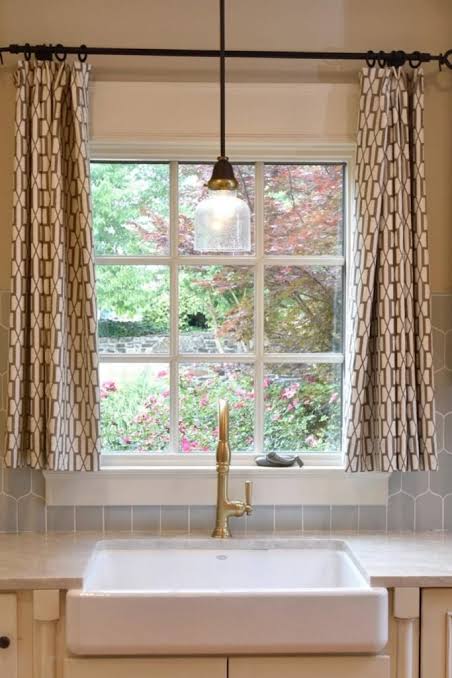
Pendant lighting can create a noticeable visual change in a neutral kitchen. I like choosing fixtures with interesting shapes or materials because they provide personality without requiring a bold wall color. Glass pendants can maintain an airy appearance, while black or brass fixtures create stronger contrast.
Woven shades can introduce natural texture and work beautifully with beige and cream kitchens. Position pendants above an island or breakfast bar to define the area. Warm bulbs can also make neutral surfaces feel more inviting in the evening. The right fixtures can act as both useful lighting and attractive decoration.
16. Neutral Kitchen With Natural Stone

Natural stone can give a neutral kitchen beautiful texture and depth. I like using stone countertops, backsplashes, or accent walls in shades such as cream, beige, taupe, and soft gray. The natural variations create visual interest while staying within the neutral palette. Pair the stone with simple cabinetry so the material does not compete with too many other features.
Wood accessories can add warmth, while metal hardware can provide a polished finishing touch. This approach works particularly well if you want an organic kitchen that feels sophisticated but still connected to natural materials.
17. Neutral Kitchen With Wooden Flooring

Wooden flooring can add warmth and character to a neutral kitchen while creating a visual connection between different areas of an open-plan home. I like medium or light wood floors with cream, beige, or soft gray cabinets because the combination feels balanced and natural.
The flooring can also make an otherwise simple kitchen feel more inviting. Choose a wood tone that works with the cabinetry rather than trying to match every wooden element exactly. Rugs, woven baskets, and wooden stools can reinforce the cozy feeling without making the kitchen look overly decorated.
18. Neutral Kitchen With Cozy Dining Area

A cozy dining area can make a neutral kitchen feel more welcoming and complete. I like pairing a small wooden table with cream or beige seating, soft lighting, and simple artwork. A bench can save space while making the area feel comfortable and relaxed.
Add a textured cushion or small rug for extra warmth without introducing strong colors. If the dining area sits beside the kitchen, repeat one or two materials used in the cabinetry or countertops to connect both spaces. This creates a comfortable corner that works well for breakfast, coffee, family meals, or casual conversations.
19. Modern Neutral Kitchen With Mixed Textures

Mixing textures is one of the best ways to make a neutral kitchen visually interesting. I like combining smooth cabinetry with natural wood, stone, ceramic, glass, and woven materials. Since the colors remain subtle, the different textures create depth without making the room feel busy.
For example, beige cabinets can work beautifully with a stone countertop, wooden stools, woven pendant lights, and ceramic accessories. Keep the color palette controlled so the textures remain the main source of variation. This approach is perfect for anyone who loves neutral interiors but still wants the kitchen to feel rich and thoughtfully designed.
A neutral kitchen can make a surprisingly big visual difference when color, texture, lighting, and materials work together. I love how soft shades create a calm foundation that allows wood, stone, greenery, brass, black accents, and beautiful ceramics to stand out. You can keep the design simple or add several layers of texture for more personality. Neutral kitchens also offer flexibility, making future decorating changes easier without needing a complete makeover.
Start with the area that feels plain or outdated, then introduce one meaningful change at a time. With thoughtful choices, your kitchen can become stylish, comfortable, practical, and timeless.