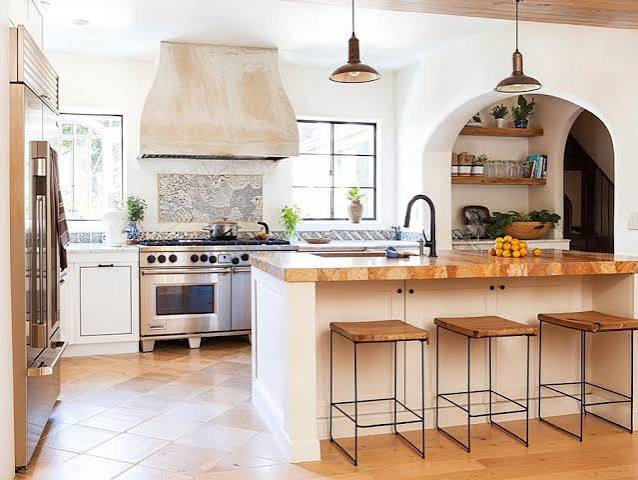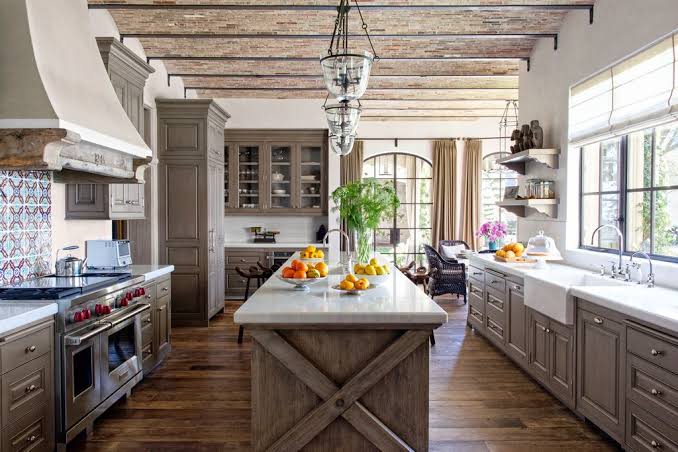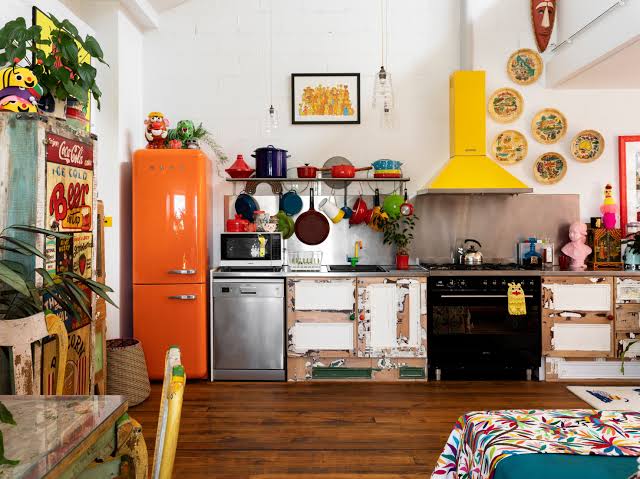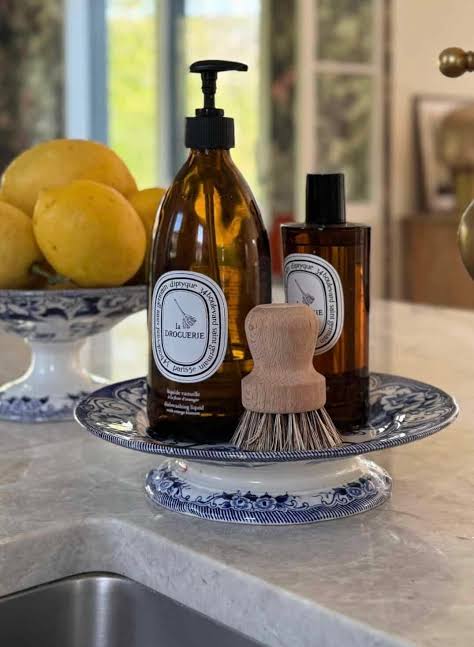
Painting is one of the easiest ways to give your kitchen a fresh and welcoming appearance. The right color can change the mood, highlight architectural details, and make the room feel larger or more comfortable. I love how a simple coat of paint can refresh tired cabinets, brighten dull walls, or create a beautiful accent area without requiring a complete remodel.
You can choose soft neutrals, bold shades, earthy tones, or playful combinations depending on your style. These kitchen painting ideas will help you explore attractive color choices and create a space that feels personal, practical, and full of character.
1. White Kitchen Painting Ideas

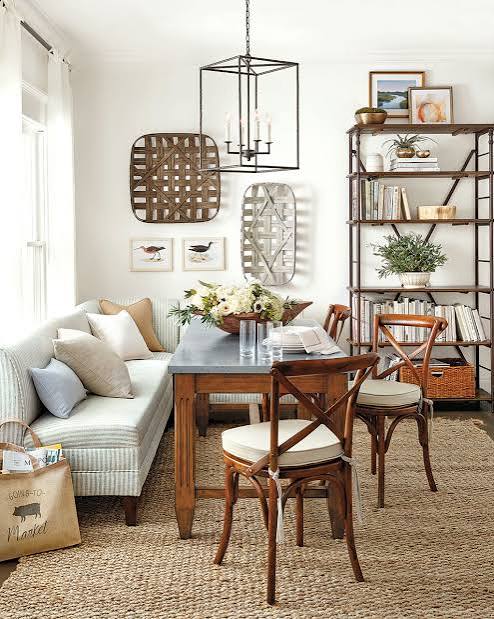
White paint can make a kitchen feel bright, clean, and visually spacious. It is a versatile choice that works well with modern, farmhouse, Scandinavian, and traditional interiors. I like using warm white on cabinets and walls because it creates a welcoming appearance without feeling too cold. You can add contrast through wooden countertops, black hardware, natural flooring, or colorful accessories.
If the kitchen receives limited natural light, a soft white shade may feel more comfortable than a very bright, cool white. Choose a washable finish that can handle regular cooking messes and everyday cleaning.
2. Sage Green Kitchen Painting Ideas

Sage green is a calming color that brings a natural feeling into the kitchen. Its muted appearance works beautifully with wood, cream, brass, stone, and white finishes. I especially like sage green cabinets because they add color without making the room feel too intense. You can paint the lower cabinets sage green while keeping the upper cabinets white for a balanced two-tone design.
Alternatively, use the shade on one accent wall. Pair it with natural textures and soft lighting to create a relaxed kitchen that feels connected to the outdoors.
3. Navy Blue Kitchen Painting Ideas

Navy blue paint can give a kitchen a sophisticated and dramatic appearance. It works especially well on lower cabinets, kitchen islands, or a single feature wall. I like pairing navy with white countertops, brushed brass hardware, warm wood, and light backsplash tiles to create a balanced design.
In a small kitchen, using navy in selected areas can add depth without making the room feel overly dark. If the kitchen has plenty of natural light, you can use the shade more extensively. Select a durable cabinet paint and prepare the surfaces carefully for a smooth finish.
4. Beige Kitchen Painting Ideas

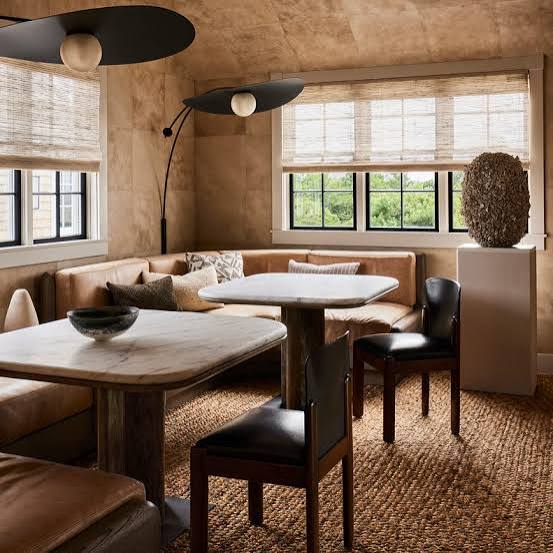
Beige is a warm and adaptable color that can make a kitchen feel comfortable and timeless. It works well with natural wood, cream countertops, stone backsplashes, and soft metallic finishes. I prefer warm beige tones in kitchens that need a cozy atmosphere without using strong colors. You can paint the walls beige while keeping the cabinets white, or use a deeper beige on the cabinetry for a more coordinated look. Add woven accessories, greenery, and warm lighting to complete the design.
Test paint samples first because beige can look different under changing lighting conditions.
5. Black Kitchen Painting Ideas

Black paint can create a bold and modern kitchen with strong visual contrast. It looks attractive on kitchen islands, lower cabinets, doors, or selected accent areas.
I like combining matte black cabinetry with light countertops, pale walls, and natural wood accessories to prevent the room from feeling too heavy. Black can also work in a dramatic traditional kitchen when paired with brass handles and decorative lighting. Use the color thoughtfully in smaller rooms, especially if natural light is limited. A quality finish and regular cleaning will help the painted surfaces maintain their appearance.
6. Two-Tone Kitchen Painting Ideas

Two-tone kitchen painting is an excellent way to introduce visual interest without using too many colors. You can paint the upper cabinets one shade and the lower cabinets another, or highlight the kitchen island with a contrasting color.
I like combinations such as white and sage green, cream and navy, or natural wood and soft gray. The colors should complement the countertops, backsplash, and flooring so the design feels connected. Use the lighter shade in areas you want to appear open and reserve the deeper color for features you want to emphasize.
7. Gray Kitchen Painting Ideas

Gray paint offers a balanced appearance that can feel modern, elegant, or traditional depending on the chosen shade. Light gray works well in compact kitchens because it creates a soft background, while charcoal gray can add depth to larger spaces.
I like pairing gray cabinets with white countertops, wood accents, black hardware, or brushed metal fixtures. Warm gray shades can make the room feel inviting, while cool gray can create a crisp contemporary atmosphere. Always test samples in the kitchen because gray can shift noticeably under natural and artificial lighting.
8. Terracotta Kitchen Painting Ideas

Terracotta paint adds warmth and an earthy character to the kitchen. Its reddish-orange undertones can create a welcoming atmosphere, especially when paired with cream, beige, wood, and natural stone. I love using terracotta on an accent wall, kitchen island, or lower cabinetry because it introduces personality without overwhelming the entire space.
This color works well in Mediterranean, rustic, bohemian, and modern organic kitchens. Balance the warmth with neutral countertops and simple accessories. Choose a washable paint designed for kitchen use, particularly in areas exposed to steam and cooking splashes.
9. Cream Kitchen Painting Ideas

Cream paint creates a softer alternative to bright white and can make a kitchen feel warm and welcoming. It pairs beautifully with wooden cabinets, natural stone, brass hardware, and muted green accessories.
I like cream in traditional and modern farmhouse kitchens because it gives the space a timeless appearance. You can use it across the walls and cabinets for a cohesive look or combine it with a slightly deeper beige for subtle contrast. Choose a finish that is easy to wipe clean, and consider the room’s lighting before settling on the final shade.
10. Olive Green Kitchen Painting Ideas

Olive green adds a rich, earthy quality to the kitchen while remaining relatively versatile. It looks attractive with cream walls, natural wood, brass details, and stone countertops.
I like olive green for lower cabinets or a kitchen island because it creates a grounded appearance without requiring a very dark color. You can use a muted olive shade for a subtle result or select a deeper version for a more dramatic effect. Keep the surrounding finishes simple so the paint remains the main feature. Sample the color carefully because olive tones vary under different lighting conditions.
11. Light Blue Kitchen Painting Ideas

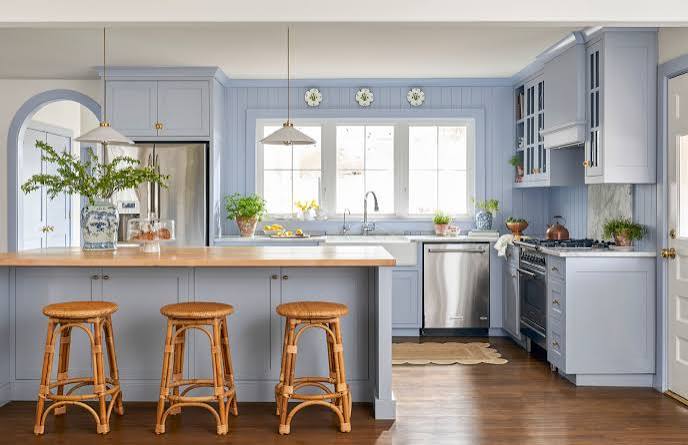
Light blue paint can give a kitchen a fresh, airy, and peaceful appearance. Soft blue shades work particularly well with white cabinets, pale wood, marble-look countertops, and silver or brass hardware. I love this color in coastal, cottage, Scandinavian, and traditional kitchens.
You can use light blue on the walls, island, or cabinet fronts depending on the effect you want. Pair it with neutral accessories so the room feels balanced rather than overly themed. A durable satin or eggshell finish can provide a practical surface that is easier to clean.
12. Moody Green Kitchen Painting Ideas

Moody green paint can give a kitchen a rich, intimate, and sophisticated appearance.
Deep forest green, moss, and bottle green shades look beautiful with warm wood, brass hardware, cream countertops, and natural stone. I like using dark green on cabinetry or a feature wall when I want the kitchen to feel distinctive and cozy. In smaller rooms, combine the shade with adequate lighting and lighter surrounding surfaces. The final effect will depend heavily on the amount of daylight, so test the color at different times before painting the entire area.
13. Yellow Kitchen Painting Ideas

Yellow paint can bring energy, warmth, and cheerful character into the kitchen. Soft butter yellow creates a gentle appearance, while stronger mustard tones offer a more expressive style. I like pairing yellow with white, cream, light wood, and natural textures to keep the room balanced.
You can paint an accent wall, pantry door, island, or cabinet interiors instead of using yellow throughout the kitchen. Choose a shade that works with the room’s natural lighting, as bright yellow can appear more intense in direct sunlight. Use a washable finish for easier maintenance.
14. Pink Kitchen Painting Ideas

Pink paint can create a charming and creative kitchen when the right shade is selected. Soft blush, dusty rose, muted pink, and pale peach can work well with cream, white, wood, and brass finishes.
I prefer muted pink tones because they add personality while maintaining a sophisticated appearance. You can use pink on lower cabinets, a kitchen island, or one accent wall for a controlled effect. Balance the color with neutral surfaces and simple accessories. Test several samples before committing because pink shades can change significantly under warm or cool lighting.
15. Accent Wall Kitchen Painting Ideas

An accent wall is a simple way to introduce color without repainting the entire kitchen. You can select the wall behind the dining area, open shelves, breakfast nook, or kitchen table as the main feature. I like using a deeper shade on one wall while keeping the remaining surfaces neutral and light. This technique works with both small and large kitchens because it creates a clear focal point.
Coordinate the accent color with cabinet finishes, textiles, and artwork. Use painter’s tape carefully to achieve clean edges around corners and trim.
16. Painted Kitchen Island Ideas

Painting the kitchen island in a contrasting color can give the room a custom-designed appearance. The island is often a central feature, so a different shade can help define the space and create visual interest.
I like combinations such as white cabinets with a navy island, cream cabinets with sage green, or neutral cabinetry with a wood-inspired finish. Choose a paint color that connects with the backsplash, lighting, or hardware. Prepare the island surface properly and use a durable cabinet coating that can withstand regular contact and cleaning.
17. Earthy Brown Kitchen Painting Ideas

Brown paint can bring warmth and depth to a kitchen, especially when combined with natural materials. Light caramel, warm taupe, chocolate brown, and muted coffee shades offer different ways to create an earthy atmosphere.
I like using brown on lower cabinets or an accent wall with cream countertops and wood accessories. Darker brown tones work best when balanced with sufficient lighting and lighter surrounding surfaces. Pair the color with greenery, woven textures, or stone details for a natural appearance. Test the shade in the room before painting large areas.
18. Color-Blocked Kitchen Painting Ideas

Color blocking allows you to combine two or more paint shades in deliberate sections to create a creative kitchen design. You can use one color on the lower cabinets, another on the upper section, and a third shade on a small accent area. I like using color blocking when the kitchen needs personality but the overall layout is simple.
Choose colors that share a similar intensity or undertone so they look coordinated. Plan the boundaries carefully before painting, and use high-quality painter’s tape for clean lines between the different sections.
19. Painted Kitchen Ceiling Ideas

Painting the kitchen ceiling can create an unexpected design detail and give the room a more distinctive appearance. Instead of using traditional white, you could choose a soft beige, pale blue, muted green, or another subtle shade that complements the walls. I like using a gentle ceiling color in kitchens with simple cabinetry because it adds interest without taking up physical space.
Darker ceiling colors can create a cozy effect but may make a low room feel smaller. Consider the ceiling height, lighting, and ventilation before choosing the finish.
20. Two-Tone Kitchen Wall Painting Ideas

Two-tone wall painting can add depth and structure to the kitchen while creating a coordinated color palette. You could paint the lower portion of the wall a deeper shade and use a lighter color above it, or create a contrasting section behind the dining area.
I like combining warm neutrals with muted accent colors for a modern and comfortable appearance. Use furniture, cabinets, and backsplash materials to guide the color choices. Measure the intended paint boundary carefully and use a level with painter’s tape to achieve a neat, professional-looking result.
Kitchen paint can change the atmosphere of your home while giving cabinets, walls, and small details a fresh appearance. I love how a carefully selected color can make the room feel brighter, warmer, more modern, or more expressive. You can choose a soft neutral for a timeless look, a bold shade for contrast, or a natural tone for a relaxed atmosphere. Before starting, consider the lighting, existing finishes, surface condition, and maintenance needs.
Test samples and plan the color placement carefully. With thoughtful preparation and the right paint, your kitchen can become a beautiful space you enjoy using every day.