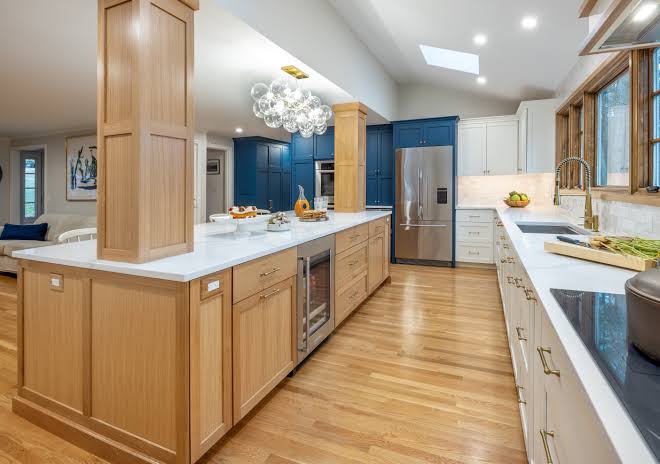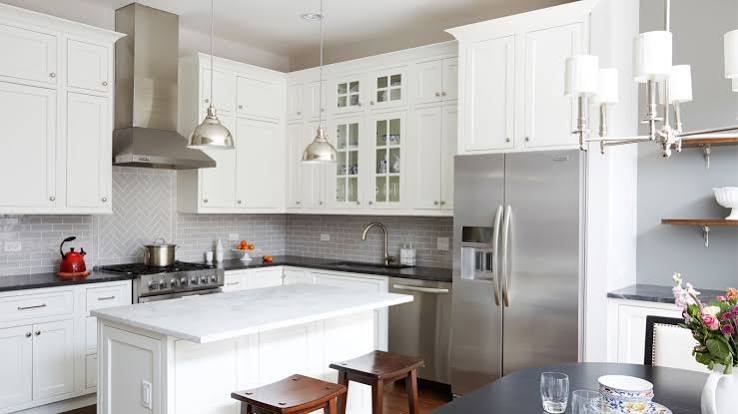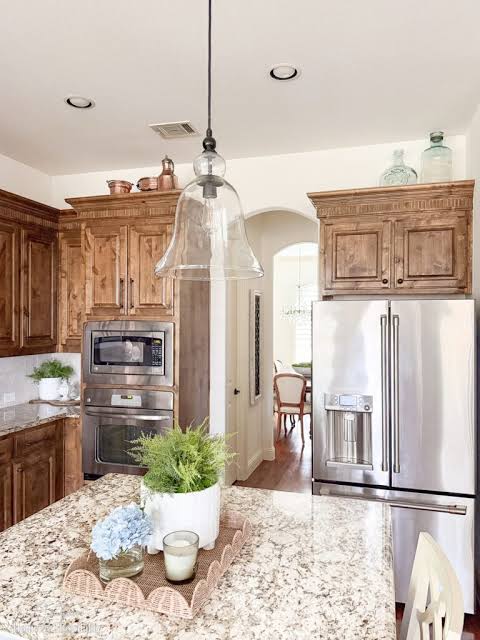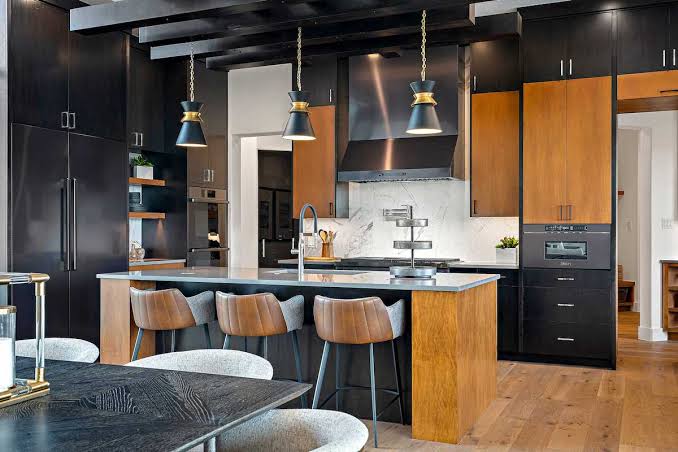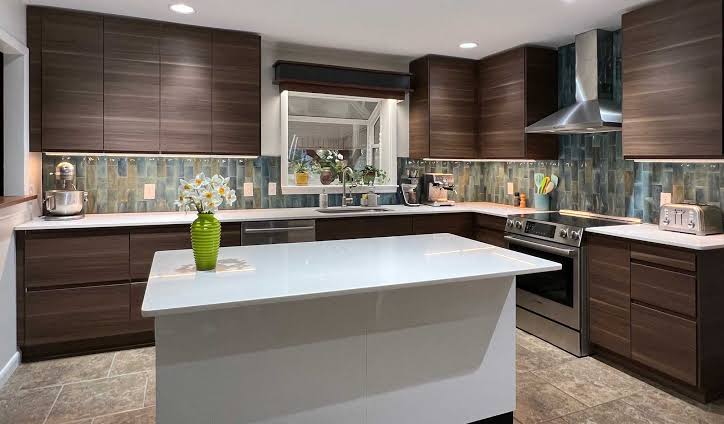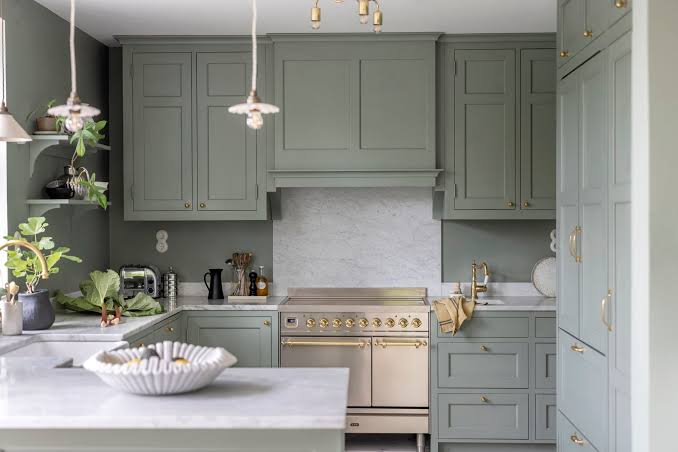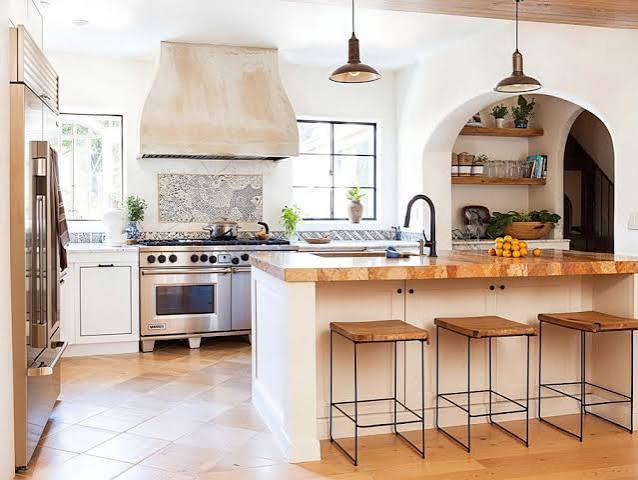
Kitchen decoration can completely change how a cooking space looks and feels without requiring a full renovation. I love using simple details such as greenery, artwork, open shelves, decorative lighting, ceramics, and natural textures to give the kitchen more personality.
The best decorations should look beautiful while still allowing the room to remain practical for everyday cooking and cleaning. Even a few carefully selected pieces can make plain cabinets and countertops feel more intentional. In this collection, I have gathered kitchen decoration ideas that combine style, comfort, and function. These ideas can help you refresh your kitchen and create a space that feels warm, personal, organized, and inviting.
1. Add Greenery To Your Kitchen

Greenery is one of the easiest ways to make a kitchen feel fresh and lively. A small potted herb near a window, a trailing plant on an open shelf, or a vase filled with leafy branches can add natural color without taking over the room.
I like placing plants in simple ceramic or woven planters that complement the kitchen’s existing materials. Herbs such as basil, mint, or rosemary can also be useful while cooking. Keep plants in areas with suitable light and away from hot surfaces. A few thoughtfully placed plants can soften modern cabinetry and make the entire kitchen feel more welcoming.
2. Style Open Kitchen Shelves

Open shelves provide an excellent opportunity to combine storage with decoration. Instead of filling them completely, display a mix of attractive plates, bowls, mugs, jars, books, and small plants. I like arranging objects at different heights so the shelves feel balanced rather than overly organized. Wooden shelves can add warmth to a white kitchen, while black or metal shelves can suit a modern space. Leave some empty areas so the display can breathe.
Choose items that you actually use alongside decorative pieces, making the shelves practical as well as attractive. A well-styled shelf can become a major feature without requiring much space.
3. Create A Kitchen Countertop Display
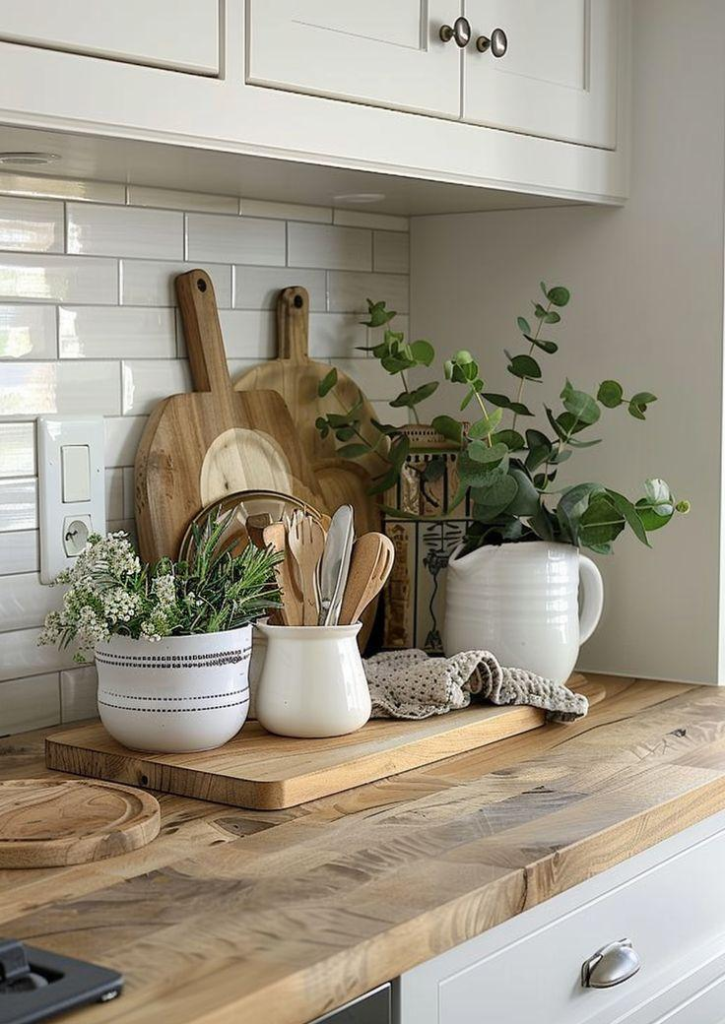
A carefully arranged countertop display can make a kitchen feel more finished without creating clutter. Choose a few useful and attractive objects, such as a wooden cutting board, ceramic utensil holder, fruit bowl, vase, or small plant. I prefer grouping items together rather than spreading decorations across every available surface.
A decorative tray can keep several pieces organized and make them easier to move when you need workspace. Use materials that complement your cabinets and countertops, such as wood, stone, ceramic, or glass. Keeping the display simple allows the kitchen to remain practical while giving the countertop a little extra personality.
4. Hang Decorative Kitchen Artwork

Artwork can bring personality to kitchen walls that might otherwise feel plain. Botanical prints, food illustrations, vintage signs, abstract artwork, or simple typography can all work depending on your decorating style. I like choosing frames that coordinate with existing finishes such as black hardware, natural wood, or brass lighting. A single large piece can create a strong focal point, while a small gallery wall can add more character.
Place artwork away from areas exposed to excessive heat or moisture. This is an easy decorating update because you can change the artwork later whenever you want a new color or seasonal feeling.
5. Add A Decorative Kitchen Rug

A kitchen rug can add color, softness, and texture to a room filled with hard surfaces. A runner placed along the sink or cooking area can make the space feel more comfortable while adding another decorative layer. I like choosing patterns that complement the kitchen rather than competing with the backsplash or cabinets.
Neutral geometric patterns work well in modern kitchens, while vintage-inspired designs can suit farmhouse or traditional spaces. Choose a rug that is suitable for kitchen use and easy to clean. Even a relatively small rug can make a noticeable visual difference and help define different areas within a larger kitchen.
6. Decorate With Wooden Cutting Boards
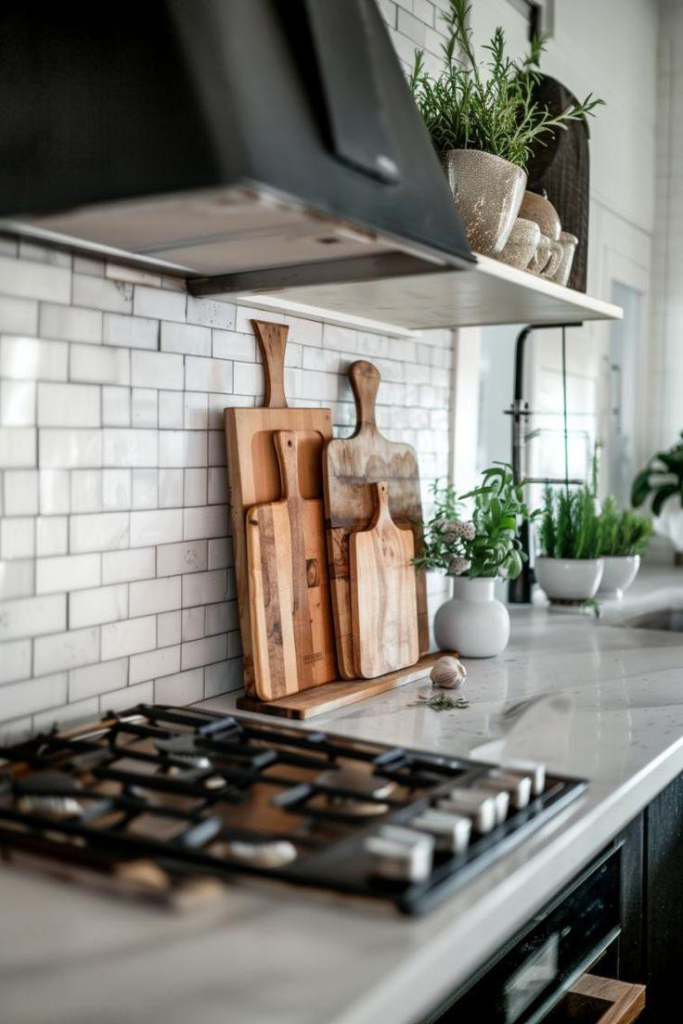
Wooden cutting boards can serve as both useful kitchen tools and attractive decorative pieces. Lean several boards of different sizes against the backsplash or place them inside a countertop tray. I like choosing boards with different shapes and natural grain because they add warmth and texture to the kitchen.
This idea works especially well with white, cream, gray, and green cabinetry. You can also combine the boards with a ceramic vase or small plant for a layered display. Since the boards remain useful, this decorating idea does not require sacrificing valuable storage or countertop space for purely decorative objects.
7. Create A Coffee Station

A coffee station can turn an unused section of the kitchen counter into a functional decorative feature. Place your coffee machine alongside attractive mugs, a small tray, jars, and perhaps a simple piece of artwork. I like using a wooden or marble tray to visually separate the coffee area from the rest of the countertop.
Add a small plant or seasonal accessory if there is enough room. Keeping coffee supplies together makes the area easier to use while giving it a dedicated identity. This idea works particularly well for kitchens where mornings revolve around coffee and casual conversation.
8. Use Decorative Pendant Lights

Pendant lights can act as both useful lighting and decorative features. A pair of fixtures above an island can create symmetry, while a single statement pendant can draw attention to a smaller kitchen area. I like choosing a finish that repeats another material already present, such as brass hardware, black window frames, or natural wood. Woven pendants can make the room feel warmer, while glass and metal fixtures can create a cleaner modern appearance.
Make sure the size and placement suit the island and ceiling height. The right lighting can change the atmosphere of the entire kitchen, especially during evening meals.
9. Display Beautiful Ceramic Pieces
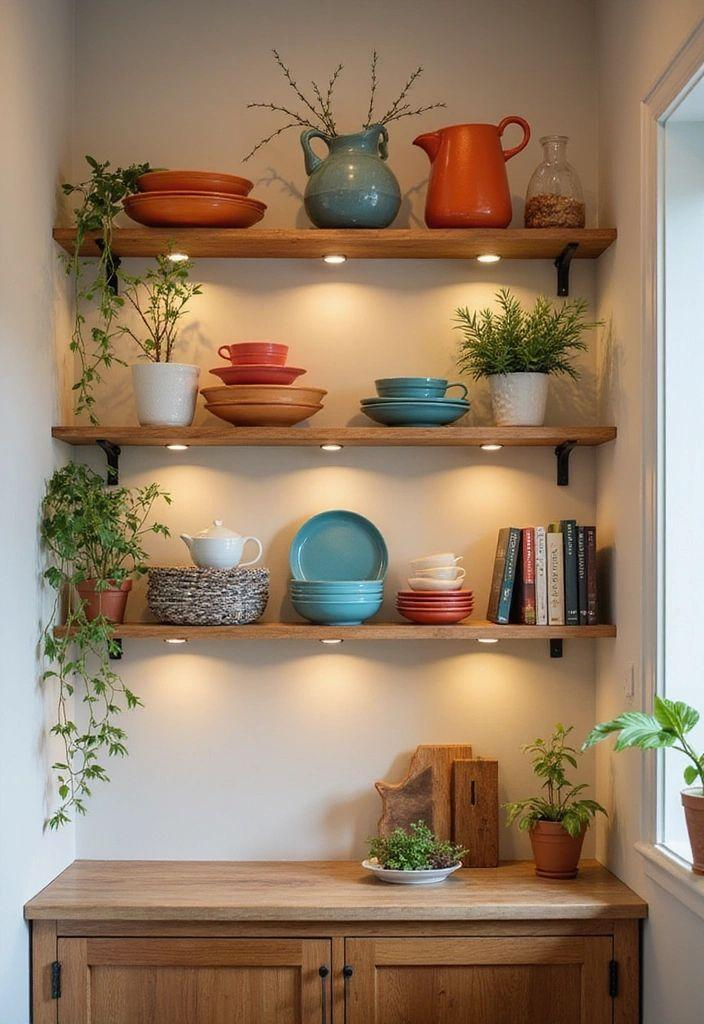
Ceramic bowls, pitchers, vases, and serving pieces can add subtle personality to a kitchen. I like choosing pieces in a small range of complementary colors so the display feels coordinated without looking too perfect. Handmade ceramics can introduce texture and an artisanal quality, while smooth white pieces create a cleaner appearance.
Display them on open shelves, a kitchen island, or a countertop tray. You can mix decorative pieces with everyday dishes to make the arrangement feel practical. If the kitchen already has strong colors, neutral ceramics can provide balance. Small ceramic details can make an otherwise simple kitchen feel much more personal.
10. Add A Decorative Fruit Bowl

A fruit bowl is an easy way to add color and natural texture to the kitchen while keeping something useful within reach. Choose a bowl made of wood, ceramic, stone, glass, or metal depending on the overall kitchen style. I like using a large bowl filled with a mixture of colorful fruit because it naturally becomes a centerpiece.
For a more neutral appearance, choose fruits in similar tones or use a simple wooden bowl with a few seasonal pieces. Place it on the island or a clear section of the countertop where it can be accessed easily. This small detail can make the kitchen feel lived-in and welcoming.
11. Style The Kitchen Island

The kitchen island is often the visual center of the room, making it an ideal place for thoughtful decoration. A large vase, decorative tray, bowl of fruit, or simple arrangement of greenery can create a focal point. I like keeping the center decoration relatively low if the island is used frequently for cooking or conversation.
On a larger island, you can create two small decorative zones instead of one large arrangement. Use materials that repeat throughout the kitchen, such as wood, stone, ceramic, or metal. The goal is to add character without sacrificing the workspace that makes the island useful.
12. Add A Statement Backsplash

A statement backsplash can become one of the strongest decorative elements in the kitchen. Bold tile, natural stone, geometric patterns, or colorful ceramic designs can create a focal point behind the countertop or cooking area.
I like using a statement backsplash when the cabinets are relatively simple because the wall has enough visual space to stand out. If you choose a bold pattern, keep other decorative features restrained so the kitchen does not feel overwhelmed. A beautiful backsplash can also tie together the cabinet color, countertop, hardware, and lighting, making the overall design feel more intentional.
13. Use Woven Baskets For Decor And Storage

Woven baskets can introduce natural texture while helping organize everyday kitchen items. Use them on open shelves, above cabinets, inside a pantry area, or underneath a kitchen island. I like baskets made of rattan, seagrass, or similar natural materials because they soften kitchens that contain lots of hard surfaces. They can hold linens, extra supplies, cookbooks, or less frequently used items. Choose baskets in similar tones for a coordinated appearance.
A few baskets can also help create a relaxed farmhouse or coastal feeling without requiring themed decorations. This combination of storage and style makes baskets especially useful in busy kitchens.
14. Create A Seasonal Kitchen Display
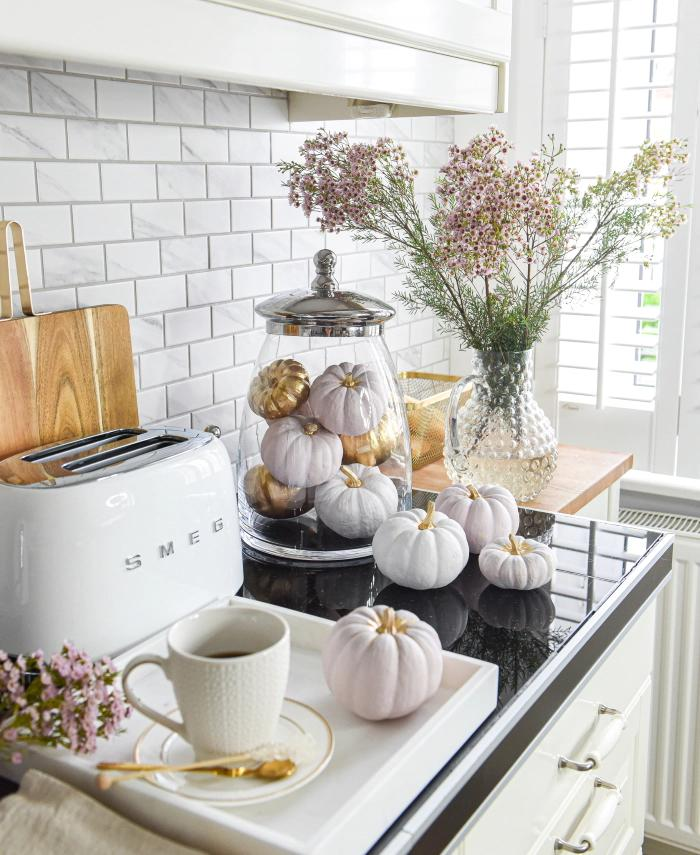
Seasonal decorating can keep the kitchen feeling fresh throughout the year without requiring permanent changes. In spring, use flowers and soft colors; summer can feature fresh greenery and fruit; autumn works beautifully with warm leaves and natural textures; winter can bring evergreen branches and cozy accessories. I like changing only a few focal pieces rather than redecorating the entire kitchen. A seasonal centerpiece, tea towel, small sign, or vase can be enough.
Keep decorations away from cooking surfaces and choose practical pieces that can be stored easily. This approach lets your kitchen evolve while maintaining the same basic design foundation.
15. Add A Decorative Mirror
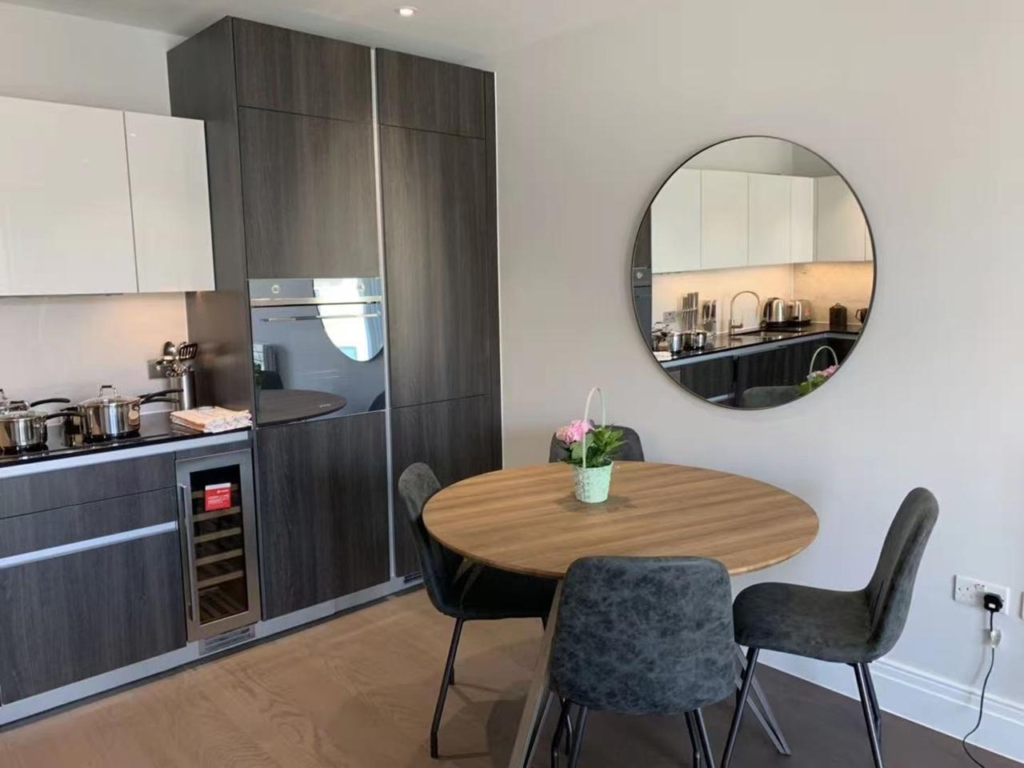
A decorative mirror can add visual depth and reflect light in a kitchen, especially when placed near a dining area or on a suitable open wall. I like using an unusual frame, such as natural wood, black metal, or vintage-inspired brass, to make the mirror feel like artwork.
A mirror can be particularly helpful in smaller kitchens because the reflection may make the room feel more spacious. Position it carefully so it reflects something attractive, such as a window, artwork, or greenery. Avoid placing it where cooking splashes are likely to reach it frequently. A well-positioned mirror can add both function and personality.
16. Decorate With A Gallery Wall

A gallery wall can turn an empty kitchen wall into a personalized decorative feature. Mix framed prints, botanical illustrations, small signs, photographs, or simple artwork to create an arrangement that reflects your taste. I like keeping one connecting element, such as similar frame colors or a consistent color palette, so the collection feels intentional.
A small gallery can work near a breakfast nook, while a larger arrangement can fill a blank wall. Avoid placing artwork too close to high-heat or high-moisture areas. This decorating idea can make the kitchen feel less purely functional and more connected to the personality of the home.
17. Add Natural Wood And Stone Accents
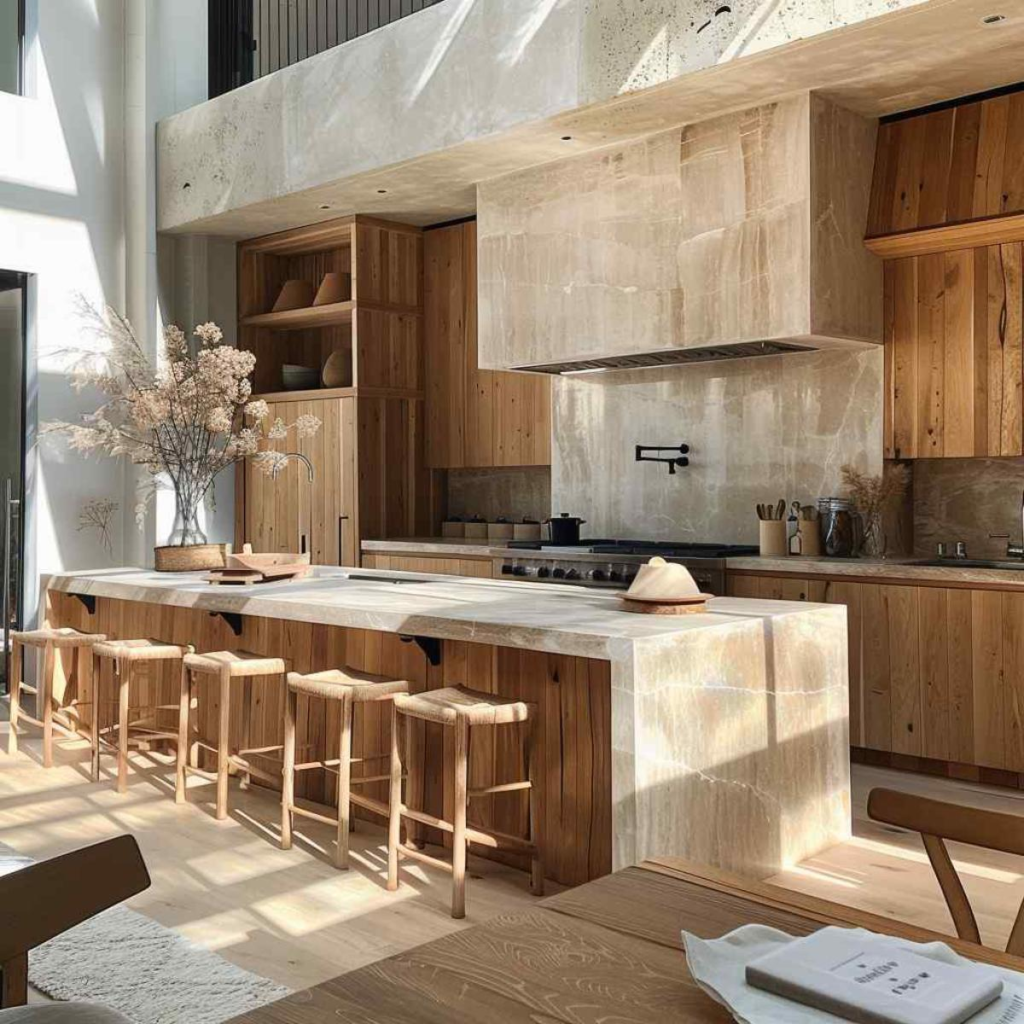
Natural wood and stone accents can make a kitchen feel warm, grounded, and timeless. Wooden cutting boards, stone bowls, wood shelves, ceramic pieces, and natural stone accessories can all introduce subtle texture. I like combining these materials with neutral cabinetry because they add character without requiring bright colors.
A wooden stool or woven basket can soften a modern kitchen, while stone accessories can complement countertops and backsplashes. Keep the palette restrained so the natural materials remain the focus. This approach is especially useful if you want a kitchen that feels modern yet comfortable, rather than overly sleek or formal.
Kitchen decoration does not need to involve a major renovation to create a noticeable transformation. Small details such as greenery, artwork, open shelves, ceramics, wooden accessories, rugs, lighting, and seasonal displays can give the room a completely different feeling. I especially like decorating with pieces that serve a practical purpose because they keep the kitchen useful while adding personality. Think about the colors, materials, and layout already present in your space before choosing new accessories.
A balanced approach can make the kitchen feel warm without creating clutter. These ideas can help you refresh your cooking area and create a space that feels stylish, comfortable, personal, and welcoming every day.