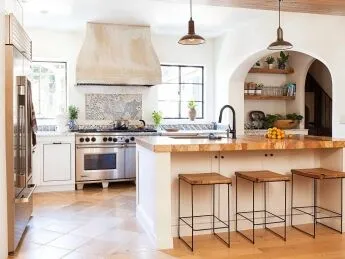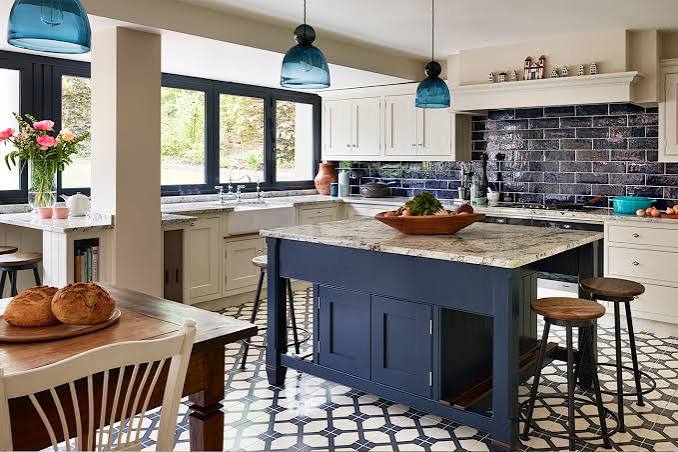
A well-planned pantry can make a kitchen feel cleaner, calmer, and much easier to use. I love pantry spaces that combine smart storage with attractive details, so finding everyday ingredients becomes simple without making the room feel cluttered. Open shelves, labeled containers, pull-out drawers, baskets, and organized corners can all make a noticeable difference. You can create a beautiful pantry in a dedicated room, a narrow cabinet, or even a small unused kitchen corner.
The key is choosing storage that fits your available space and daily routine. These kitchen pantry ideas can help you create an organized area that looks stylish and works beautifully.
1. Walk-In Kitchen Pantry

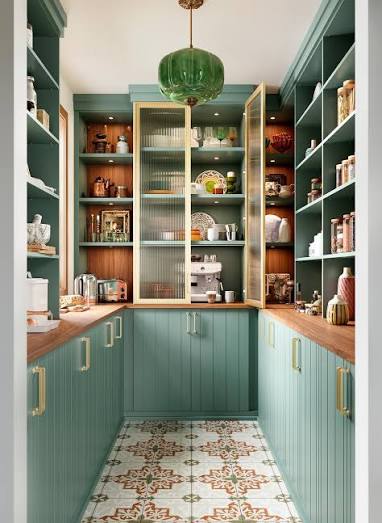
A walk-in pantry gives you plenty of room to organize food, appliances, cookware, and household supplies in one dedicated area. Floor-to-ceiling shelves can maximize vertical space while keeping frequently used ingredients within easy reach.
I like combining open shelving with baskets because it keeps smaller items contained without hiding everything. A countertop inside the pantry can also provide space for a toaster, coffee maker, or other appliances. Good lighting is essential, especially in deeper areas. If you have enough room, a walk-in pantry can become an incredibly practical extension of your main kitchen.
2. Small Kitchen Pantry

A small pantry can still provide excellent storage when every inch is used carefully. Narrow shelves, stackable containers, door racks, and small baskets can help maximize the available space. Keep frequently used ingredients at eye level and less-used items higher up. Clear containers make it easier to see what you already have, reducing unnecessary purchases.
You can also use the back of the pantry door for spices, packets, or small bottles. A simple labeling system can make everything easier to find. With thoughtful planning, even a compact pantry can feel organized instead of cramped.
3. Pantry With Open Shelving

Open shelving makes pantry items easy to see and reach while giving the space a clean, attractive appearance. Wooden shelves can create warmth, while white shelves provide a brighter and more minimalist look. Use matching containers for dry ingredients and baskets for smaller or less attractive packaging.
Keeping similar items together can make the shelves look organized without requiring excessive decoration. You can also reserve one shelf for cookbooks or attractive serving pieces. The biggest advantage is visibility because you can quickly see what needs restocking. Just remember to avoid overcrowding the shelves.
4. Pantry With Glass Containers
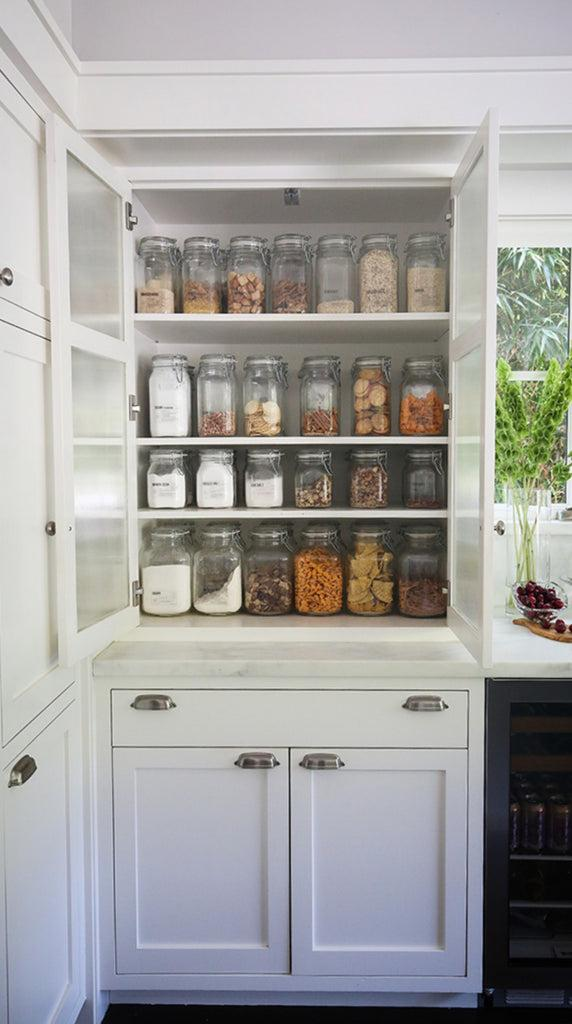
Glass containers can make a pantry look neat while making ingredients easier to identify. Use them for rice, pasta, flour, sugar, cereal, oats, beans, or other dry goods. Matching jars create a cohesive appearance, while clear glass lets you quickly check how much remains. Simple labels can make the system even easier to use, especially when several ingredients look similar.
Choose containers that stack securely so you can maximize shelf space. I recommend selecting different sizes for different ingredients rather than buying a large collection of identical jars that may not suit your storage needs.
5. Pantry With Pull-Out Drawers

Pull-out drawers are particularly useful for deep pantry cabinets where items can easily disappear behind one another. Instead of reaching into the back of a shelf, you can simply slide the drawer forward and see everything at once.
Narrow pull-outs work well for canned goods, sauces, spices, and bottles, while wider drawers can hold larger food containers. This storage style can make a compact kitchen significantly easier to manage. If you are designing a new pantry cabinet, consider adjustable pull-out shelves so the space can adapt to different items as your storage needs change.
6. Pantry With Door Storage

The back of your pantry door is valuable storage space that is often overlooked. A slim rack can hold spices, sauces, packets, snacks, or small jars without taking up shelf space. This is especially helpful in narrow pantries where every available surface matters.
Choose an organizer that leaves enough clearance for the door to close properly. Arrange frequently used items at a comfortable height so you can grab them quickly while cooking. Door storage can also help keep smaller items separated, preventing them from getting lost behind larger containers.
7. Butler’s Pantry
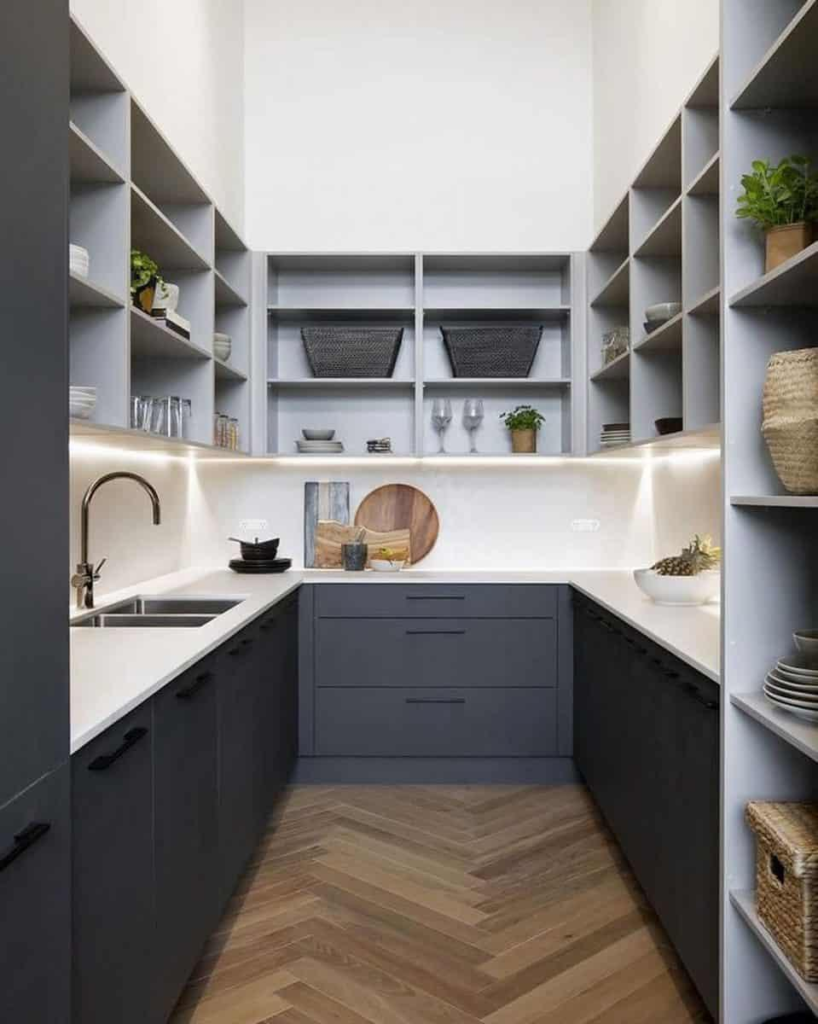
A butler’s pantry can function as a practical transition area between the kitchen and dining space. It can provide additional cabinets, countertops, shelves, and storage for serving dishes, appliances, glassware, and pantry ingredients. If you entertain frequently, this type of space can keep preparation and cleanup areas separate from the main kitchen.
Use closed cabinets for less attractive supplies and open shelving for items you enjoy displaying. A small countertop can also house appliances that you do not want sitting in the main kitchen. This setup can make a large home feel more organized and functional.
8. Pantry With Baskets

Baskets are excellent for grouping pantry items that might otherwise become scattered across shelves. Use them for snacks, baking supplies, packets, onions, potatoes, or small packaged foods. Woven baskets can add warmth and texture, while wire baskets provide a more industrial appearance. Label each basket so everyone in the household knows where things belong.
Choose sizes that fit your shelves without leaving too much wasted space. I especially like baskets for lower shelves because they allow you to pull an entire category forward instead of searching through individual packages.
9. Pantry With Labeled Containers
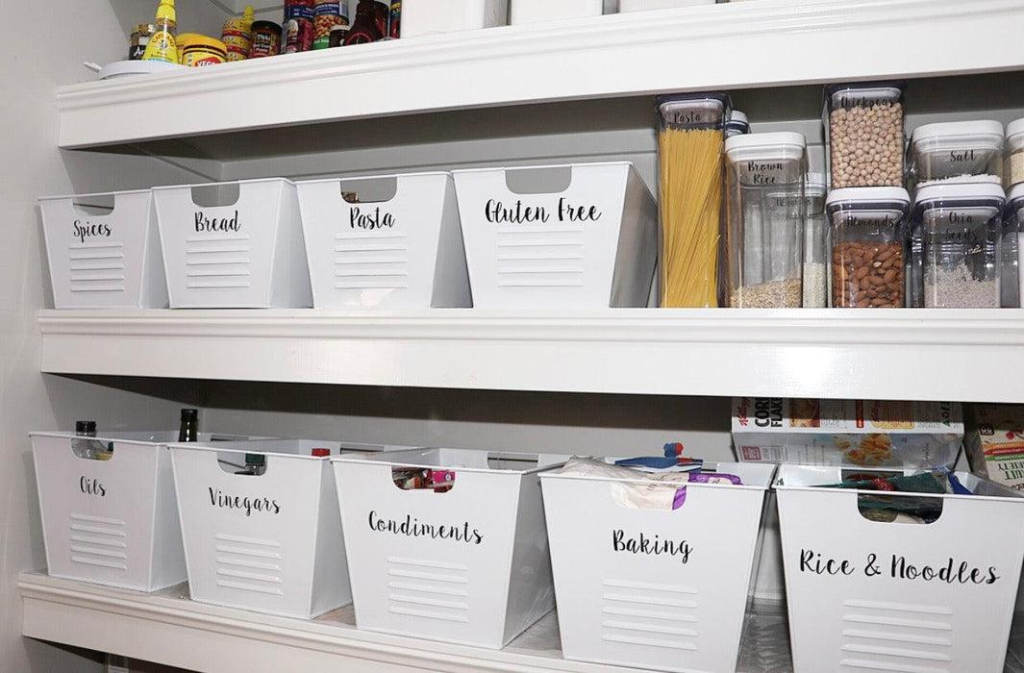
Labels can make an organized pantry much easier to maintain. Use clear labels on jars, bins, baskets, or containers to identify ingredients and categories quickly. You can label individual foods or create broader categories such as snacks, baking, breakfast, grains, and canned goods.
Choose a consistent font and label style so the pantry looks cohesive. Waterproof labels are useful for containers that may need regular cleaning. The goal is not to make the pantry look perfect; it is to create a system everyone can understand. A simple labeling method can save time during busy cooking days.
10. Pantry With Countertop

Adding a countertop inside your pantry can create valuable extra workspace. Use it for small appliances such as a toaster, mixer, coffee machine, or blender that you do not want occupying the main kitchen counter.
The area can also become a dedicated baking station with flour, sugar, mixing bowls, and baking tools stored nearby. Choose a durable countertop material that is easy to clean. Open shelves above the worktop can keep frequently used supplies accessible. This setup works particularly well in walk-in or butler’s pantries where you have enough room to create separate preparation zones.
11. Narrow Pantry Cabinet

A narrow pantry cabinet can turn an awkward kitchen gap into useful storage. Slim pull-out cabinets are particularly effective because they allow you to use narrow spaces that would otherwise remain empty. Store spices, oils, canned goods, sauces, or dry ingredients in separate sections. Adjustable shelves can make the cabinet more flexible for different bottle and container sizes. Keep heavier items lower and frequently used products at comfortable heights.
This solution is excellent for small kitchens where a full pantry room is impossible. A narrow cabinet can add significant storage without changing the overall footprint of the kitchen.
12. Pantry With Wooden Shelves
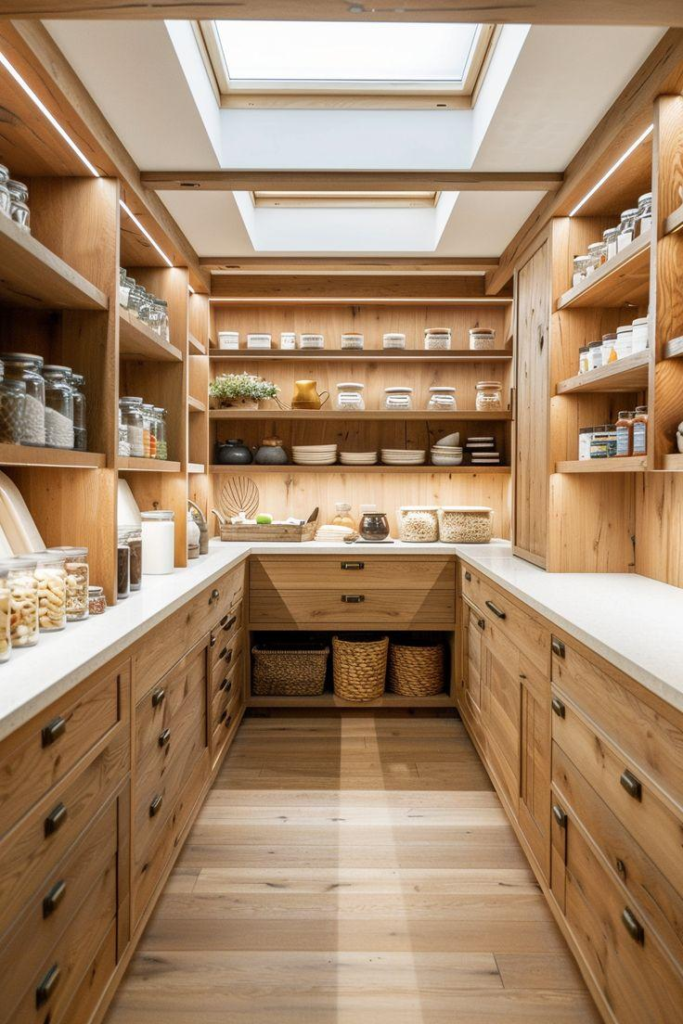
Wooden shelves can give a pantry a warm and inviting appearance while providing sturdy storage. Natural wood works especially well with glass jars, woven baskets, ceramic containers, and neutral labels. You can choose thick floating shelves for a modern look or traditional bracketed shelves for a farmhouse-inspired space.
Keep heavier items on lower shelves and lighter containers higher up for easier access. Wood also adds visual warmth to an otherwise practical room. If your pantry feels too sterile, replacing plain shelving with warm wood can make the space feel more intentional and attractive.
13. Pantry With Spice Organization
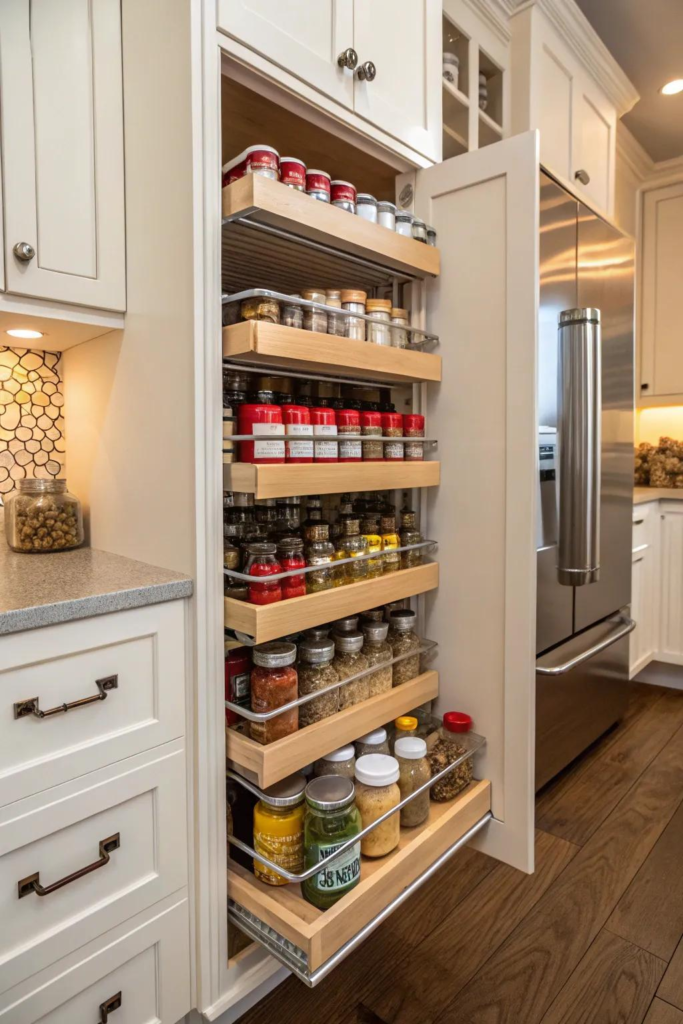
Spices are small, but they can quickly create pantry clutter if they are not organized properly. Use tiered shelves, narrow racks, pull-out drawers, or small matching jars to keep them visible. Arrange spices alphabetically or group them according to how often you use them. A dedicated spice section can prevent tiny containers from becoming lost behind larger products.
If you transfer spices into matching jars, use clear labels so identification remains easy. Place the most frequently used spices at eye level. A well-organized spice area can make everyday cooking much faster and less frustrating.
14. Pantry With Appliance Storage

A pantry can be an excellent place to store small kitchen appliances that you use regularly but do not want sitting on the counter. Mixers, air fryers, blenders, toasters, and food processors can take up considerable workspace.
Designate one or two sturdy shelves for these heavier items and keep them at a comfortable height. If the pantry has a countertop, frequently used appliances can remain there for quick access. Make sure shelves can support the weight and leave enough clearance for easy removal. This approach keeps the main kitchen visually cleaner without hiding useful appliances too far away.
15. Pantry With Built-In Shelves

Built-in shelves can make a pantry feel tailored to your exact storage needs. You can create different shelf heights for cereal boxes, jars, cans, appliances, and larger containers instead of forcing everything onto identical shelves. Floor-to-ceiling construction makes excellent use of vertical space and can provide significantly more storage.
Add a few pull-out drawers or baskets at lower levels for smaller items. If you are renovating, measure your most-used containers before finalizing the shelf dimensions. A customized layout can make the pantry much easier to use and reduce wasted space.
16. Pantry With Canned Food Organization
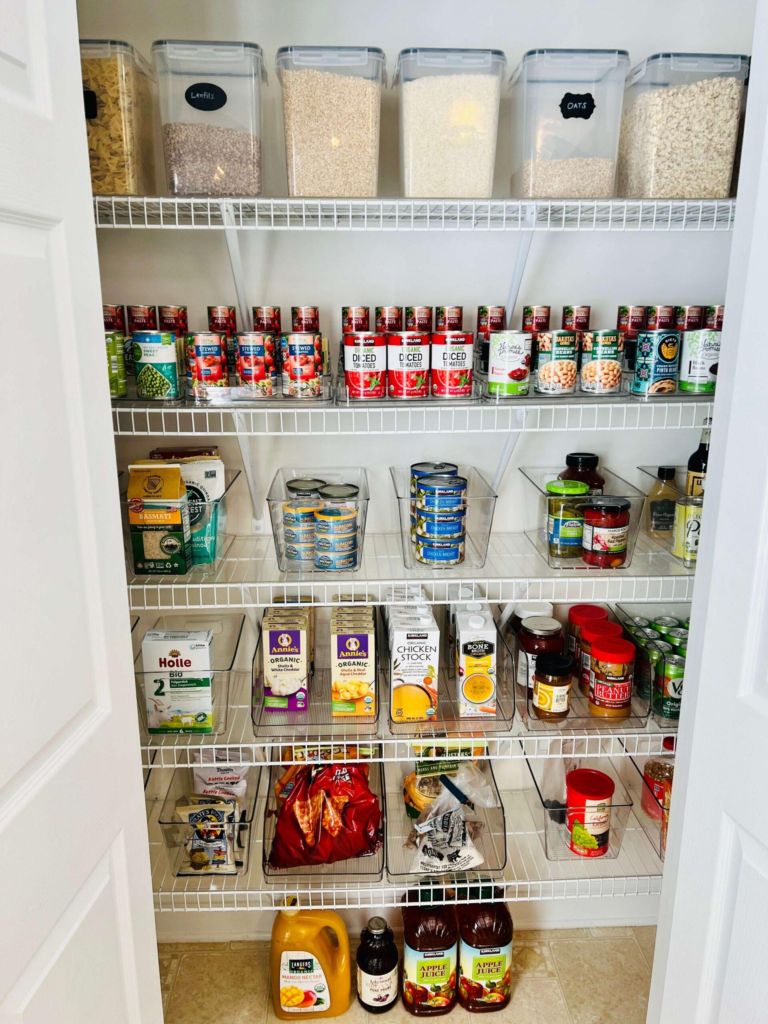
Canned foods can become difficult to manage when they are stacked randomly. Use tiered shelves or dedicated bins so you can see the labels without moving several cans.
Group similar foods together, such as vegetables, soups, beans, and sauces. Keep older cans toward the front so they are used first, helping reduce waste. A narrow shelf section can work especially well for cans because they do not require much vertical space. This simple organization method makes shopping and meal preparation easier because you can quickly see what is available.
17. Farmhouse Pantry
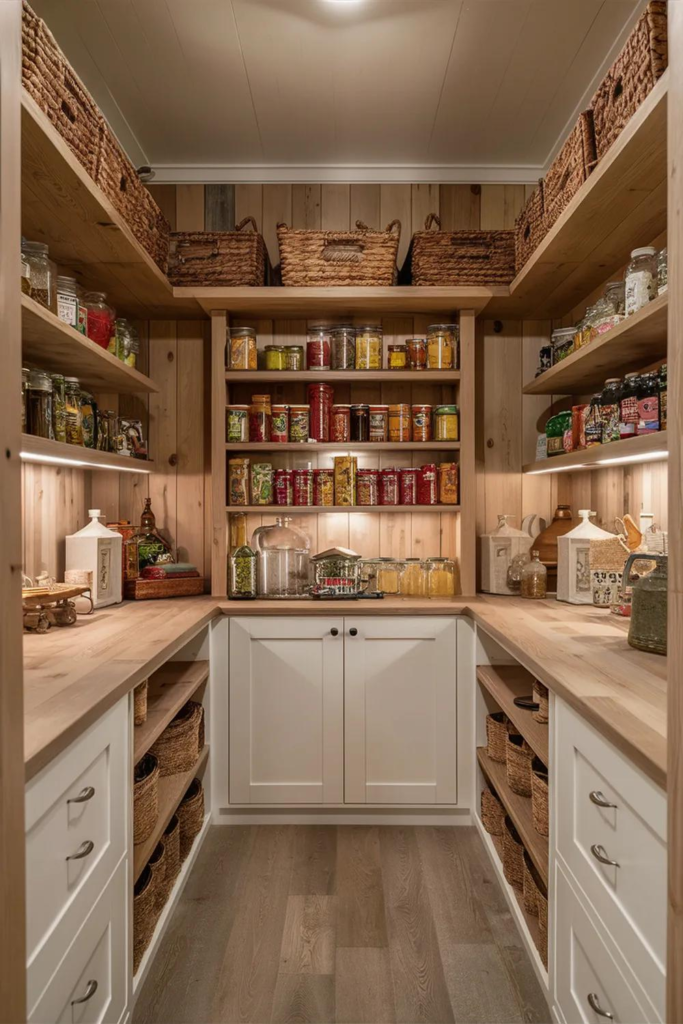
A farmhouse pantry can combine practical storage with warm, rustic character. Wooden shelves, woven baskets, glass jars, vintage-inspired labels, and neutral colors can create the look. Use natural materials to make the pantry feel connected to the rest of the kitchen. Open shelving works particularly well when paired with matching containers that keep packaged food looking neat.
You can also add a small wooden stool or simple framed sign if space allows. The goal is to create a useful storage area that feels warm and inviting rather than purely utilitarian.
18. Modern Minimalist Pantry
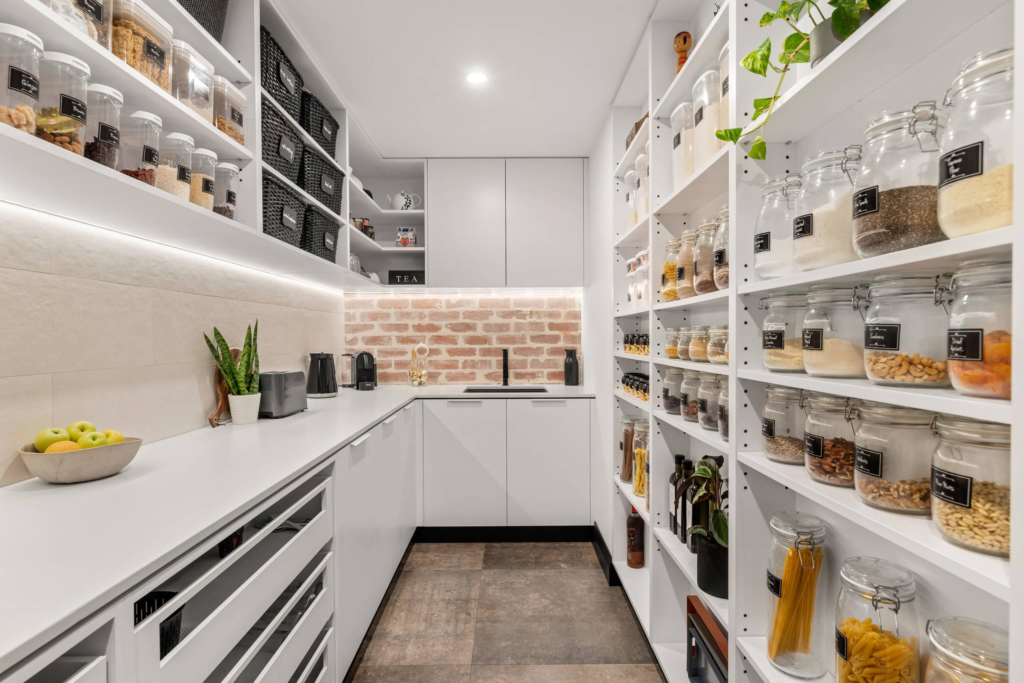
A modern minimalist pantry focuses on clean lines, simple storage, and an uncluttered appearance. Use matching containers, streamlined shelves, neutral colors, and discreet labels to create a cohesive look. Keep only frequently used items visible and store less attractive packaging inside cabinets or baskets. White, light wood, gray, and soft beige can create a calm palette.
Good lighting is also important because it makes the pantry easier to navigate. You do not need decorative objects in every corner. A carefully planned storage system can become the main feature and make the entire space feel polished.
A stylish pantry can make everyday kitchen routines easier while helping the entire room feel more organized. You can create an impressive walk-in pantry or make excellent use of a narrow cabinet with pull-out shelves and door storage.
Glass containers, baskets, labels, wooden shelving, and dedicated zones can help keep ingredients easy to find and simple to maintain. I recommend starting with the items you use most often and designing storage around your actual routine. Keep frequently needed supplies accessible and use higher or deeper areas for occasional items. With thoughtful organization, your pantry can become a practical, attractive extension of your kitchen.