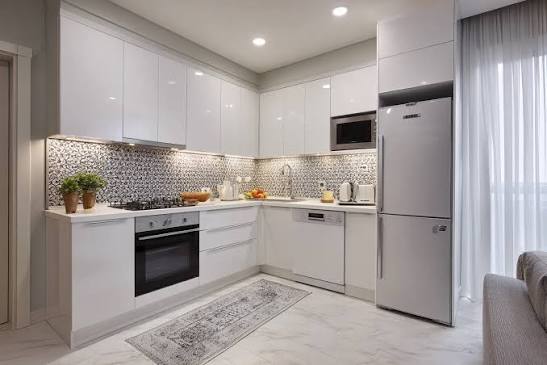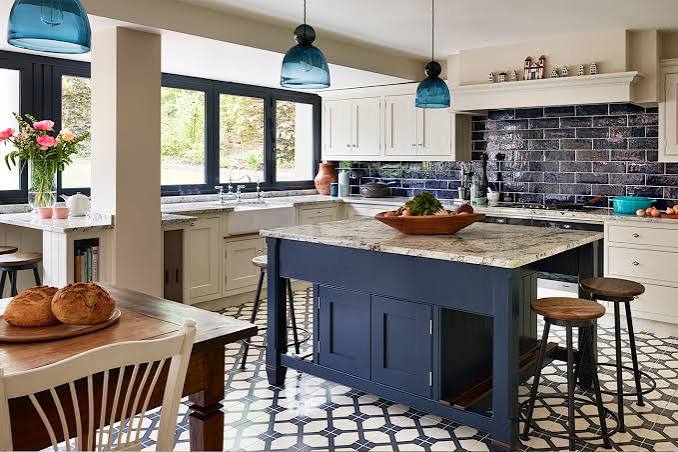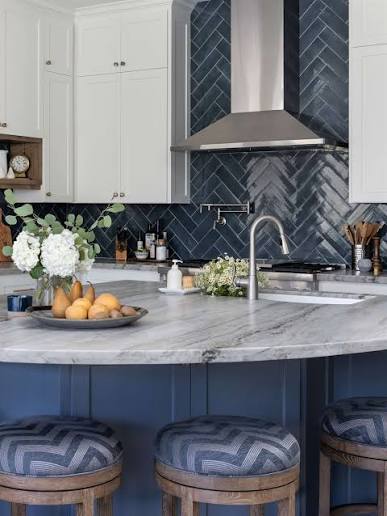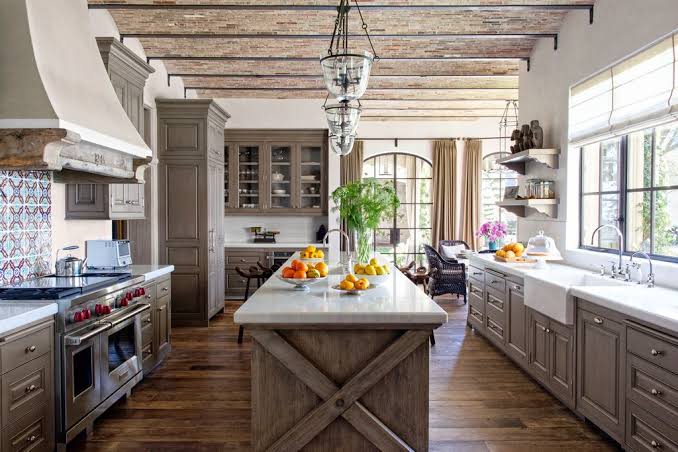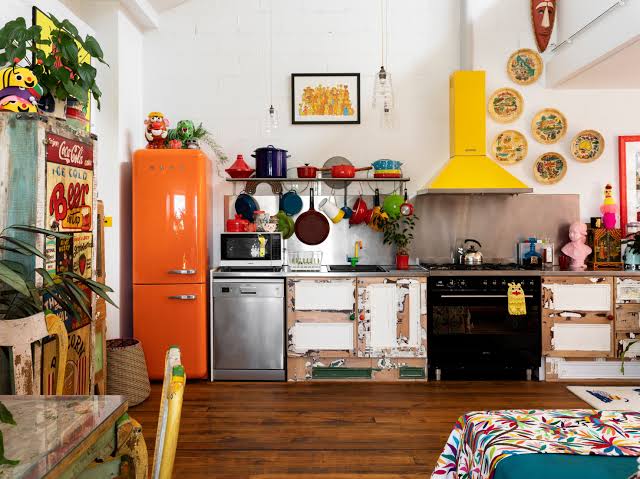
A well-organized kitchen can make cooking easier, cleaning faster, and everyday routines more enjoyable. Smart storage helps you use available space efficiently while keeping countertops attractive and uncluttered. Even a small kitchen can accommodate cookware, pantry ingredients, appliances, dishes, and utensils with thoughtful planning.
The right combination of cabinets, shelves, drawers, baskets, and organizers can also give your kitchen a polished appearance. These kitchen storage ideas combine practical solutions with stylish details, helping you create a space that feels calm, functional, and inviting. Explore these creative ideas to discover simple ways to organize your kitchen beautifully.
1. Install Pull-Out Pantry Shelves

Pull-out pantry shelves make deep cabinets much easier to use. Instead of reaching toward the back and forgetting about ingredients hidden behind other items, you can simply slide the shelves forward and see everything at once.
This solution works especially well for canned goods, sauces, spices, snacks, and baking ingredients. Narrow pull-out units can also fit into surprisingly small gaps between cabinets and appliances. Organize each shelf according to your cooking habits, placing frequently used ingredients at comfortable heights. This practical upgrade can improve accessibility while keeping your kitchen looking clean and organized.
2. Add Deep Kitchen Drawers

Deep drawers can provide excellent storage for pots, pans, mixing bowls, and larger cooking tools. Instead of stacking heavy cookware inside lower cabinets, you can arrange everything horizontally and pull the drawer open for easy access. Drawer dividers can keep lids separated while adjustable inserts help organize different sizes of cookware.
Choose sturdy drawer hardware capable of handling heavier items. Deep drawers also reduce the need to bend down repeatedly while searching through crowded cabinets. If you’re planning a kitchen renovation, replacing some traditional lower cabinets with drawers can create a significant functional improvement.
3. Use Open Shelving

Open shelving combines storage with decoration, making it a popular choice for modern kitchens. Floating shelves can hold everyday plates, bowls, mugs, glasses, cookbooks, and attractive containers. Because everything remains visible, organizing the shelves neatly becomes part of the kitchen’s overall design. Use matching dishes or coordinated colors for a polished appearance.
Wooden shelves add warmth, while metal or painted shelves can complement contemporary interiors. Avoid filling every inch with objects. Leaving some empty space helps the kitchen feel lighter and gives favorite pieces enough room to stand out.
4. Create a Spice Drawer

A dedicated spice drawer can make meal preparation much easier. Instead of keeping spice jars scattered across countertops or hidden behind larger containers, arrange them horizontally inside a shallow drawer. Labels facing upward allow you to identify each spice quickly without moving anything. Drawer inserts can prevent jars from rolling around and help maintain consistent spacing.
Arrange spices alphabetically or according to how often you use them. This storage solution works particularly well near the cooking area, allowing frequently needed seasonings to remain accessible while keeping the countertop completely clear.
5. Add a Pegboard Wall

A pegboard can turn an unused kitchen wall into flexible storage. Hooks, shelves, and small baskets can hold cooking utensils, measuring cups, pans, cutting boards, and other frequently used items.
The biggest advantage is flexibility because accessories can be rearranged whenever your storage needs change. Paint the pegboard to complement your cabinets or backsplash for a cohesive appearance. Keep the most frequently used tools within easy reach and reserve higher sections for less-used items. A thoughtfully arranged pegboard can become both a practical storage feature and an attractive focal point.
6. Install Under-Sink Organizers

The cabinet beneath the kitchen sink can become one of the messiest areas, but a few organizers can transform it. Pull-out trays, stackable bins, sliding drawers, and adjustable shelves can help separate cleaning products, sponges, brushes, trash bags, and extra supplies.
Use containers that tolerate occasional moisture and choose designs that make the plumbing easy to access. Keep potentially hazardous cleaning products securely stored, especially if children or pets are present. A well-organized under-sink cabinet makes cleaning supplies easier to locate while preventing bottles and miscellaneous items from becoming an unmanageable pile.
7. Use Cabinet Door Storage

The inside of a cabinet door offers valuable storage potential that often goes unused. Slim racks can hold spices, measuring spoons, cutting boards, food wraps, or cleaning supplies. This approach works particularly well in narrow spaces where installing another cabinet is impossible.
Choose organizers that do not interfere with shelves or prevent the door from closing properly. Keep heavier objects off lightweight door-mounted racks unless the hardware is designed for them. Using cabinet doors efficiently can create extra storage without taking additional floor or countertop space.
8. Create a Coffee Station

A dedicated coffee station can keep your morning essentials together while making your kitchen feel more organized. Reserve a small cabinet, counter section, or open shelf for your coffee maker, mugs, beans, filters, and favorite accessories. Small baskets or containers can organize packets and supplies underneath the counter. If countertop space is limited, consider storing the coffee maker inside an appliance garage that can be opened when needed.
Add a small decorative tray to keep the station visually cohesive. Grouping everything together eliminates scattered coffee supplies and creates a convenient daily routine.
9. Add a Tall Pantry Cabinet

A tall pantry cabinet can provide substantial storage without requiring a wide footprint. Multiple shelves can accommodate dry ingredients, canned foods, snacks, baking supplies, and kitchen essentials.
Adjustable shelves allow you to customize the interior according to container sizes. Use baskets for smaller categories and clear containers for ingredients you frequently monitor. Store heavier items lower and less frequently used products higher. Tall cabinets also make good use of vertical space, particularly in smaller kitchens. Keeping similar food categories together can make grocery unpacking and meal preparation much simpler.
10. Use Corner Cabinet Solutions

Kitchen corners can become difficult-to-reach storage zones, but specialized organizers can make them much more useful. Lazy Susans allow shelves to rotate so items stored toward the back become accessible.
Pull-out corner systems can provide another practical option for larger cookware, pantry goods, or small appliances. Avoid filling corner cabinets with random objects simply because space is available. Group similar items together and choose containers that fit the cabinet dimensions. Making better use of corners can add valuable storage without expanding the kitchen footprint.
11. Install a Pot Rack

A pot rack can free up cabinet space while keeping cookware accessible. Wall-mounted rails work well in compact kitchens, while ceiling-mounted racks can become a decorative feature in larger rooms. Hang frequently used pans where they can be reached easily, and keep the arrangement visually tidy.
A simple black rail can suit an industrial kitchen, while brass or wood accents can create a warmer look. Before installation, ensure the wall or ceiling can support the weight. A carefully positioned pot rack can combine practical storage with attractive kitchen styling.
12. Organize Cutting Boards Vertically

Cutting boards can consume considerable cabinet space when stacked horizontally. A vertical organizer keeps them upright and easier to grab. You can install a dedicated divider inside a cabinet or use a narrow rack beside other cookware.
Separate boards according to size or purpose so the one you need is always easy to identify. Vertical storage also allows boards to dry properly after washing if the rack is positioned appropriately. This simple organization method creates more usable cabinet space and prevents boards from becoming buried beneath pots and pans.
13. Create a Baking Station

If you enjoy baking, creating a dedicated baking station can make your kitchen much easier to manage. Store flour, sugar, baking powder, sprinkles, measuring cups, mixing tools, and baking pans together. Deep drawers can hold pans, while labeled containers keep dry ingredients organized. A shelf near the oven can store frequently used supplies.
Grouping baking essentials together reduces the time spent searching through multiple cabinets. Choose matching containers if you want the station to have a polished appearance. This approach combines organization with convenience and can make baking sessions feel more enjoyable.
14. Add a Rolling Storage Cart

A rolling cart offers flexible storage when permanent cabinetry is limited. Use it for produce, cookware, pantry supplies, baking ingredients, or small appliances. Wheels allow you to move the cart when cleaning or preparing food, making it especially useful in compact kitchens.
Choose a cart with multiple shelves so you can separate categories and keep frequently used items accessible. Wooden carts bring warmth, while metal designs can complement modern or industrial interiors. If space is extremely limited, select a slim cart that can slide beside a refrigerator or cabinet when not needed.
15. Use Drawer Dividers

Drawer dividers can turn a chaotic utensil drawer into an organized workspace. Separate forks, spoons, knives, spatulas, measuring tools, and miscellaneous gadgets into dedicated sections. Adjustable dividers are particularly useful because they can adapt as your storage needs change. Avoid creating too many tiny compartments because they can make larger utensils difficult to store.
Measure your drawer carefully before purchasing an organizer so you can use the available width efficiently. A well-arranged utensil drawer saves time during cooking and makes tidying up considerably easier.
16. Store Appliances Inside Cabinets

Countertop appliances can quickly make a kitchen look crowded. If possible, dedicate a cabinet or appliance garage to items such as blenders, toasters, mixers, and coffee machines. Keep the appliances you use daily in an easily accessible location, while less-used equipment can occupy higher or deeper storage.
Ensure cabinets have enough ventilation and suitable electrical access if appliances will be operated inside an enclosed area. Hiding visual clutter can make the kitchen appear more spacious and polished while still keeping your favorite appliances convenient.
17. Add Floating Shelves in Empty Corners

An empty corner can become useful storage with a few floating shelves. Install shelves vertically to create space for mugs, spices, cookbooks, jars, small plants, or decorative dishes. Corner shelves can also make an awkward wall feel intentional instead of wasted. Keep the arrangement visually balanced and avoid placing too many heavy items on the shelves.
Choose wood for a warm farmhouse feel or a painted finish for a cleaner modern appearance. This simple addition can create useful storage while adding personality to an otherwise overlooked area.
18. Use Baskets for Pantry Organization

Baskets are an easy way to group similar pantry items and create a more organized appearance. Use separate baskets for snacks, breakfast foods, baking ingredients, sauces, or packaged goods. Handles make larger baskets easier to pull out of deep shelves. Labels can help everyone in the household return items to the correct location.
Choose woven baskets for a warm decorative look or simple bins for a contemporary pantry. Avoid filling baskets so tightly that you cannot see their contents. The goal is convenient organization, not simply hiding clutter.
19. Create a Hidden Trash and Recycling Cabinet

A dedicated pull-out cabinet for trash and recycling can keep waste bins hidden while making them easy to access. Separate compartments can accommodate general waste and recyclable materials, depending on your household’s needs. Position the cabinet near the main food preparation area for convenience. Choose sturdy hardware because these bins can become surprisingly heavy.
A concealed system also keeps unpleasant-looking containers out of sight, helping the kitchen maintain a clean appearance. Add removable liners or easy-clean surfaces around the cabinet to make routine maintenance simpler.
20. Make Use of the Space Above Cabinets

The space above kitchen cabinets can provide additional storage when used thoughtfully. Attractive baskets or coordinated storage boxes can hold seasonal dishes, serving pieces, table linens, or rarely used appliances. Choose containers that complement the kitchen so the area looks intentional rather than cluttered. Avoid storing items that are difficult or unsafe to retrieve without proper access.
If the ceiling is high, reserve this location for belongings you rarely need. This overlooked area can add useful capacity while keeping everyday cabinets and drawers available for frequently used kitchen essentials.
Great kitchen storage can make your cooking space feel calmer, cleaner, and easier to enjoy. Pull-out shelves, deep drawers, pantry cabinets, baskets, drawer dividers, open shelving, and clever corner solutions can help every area serve a useful purpose. The best organization system should match your cooking habits, available space, and daily routine.
Start with the areas that cause the most frustration, then introduce storage solutions that make those spaces easier to access. Even a few thoughtful changes can create a noticeable difference. With smart organization and attractive details, your kitchen can become a functional space you genuinely love using every day.