A kitchen range hood can be much more than a practical appliance above the stove. It can become an important design feature that adds character, balance, and personality to the cooking area. I love how the right hood can make ordinary cabinets feel more intentional while helping the kitchen stay comfortable during cooking. There are many styles to explore, including sleek modern designs, rustic wood hoods, dramatic statement pieces, and simple built-in options.
In this collection, I have gathered kitchen range hood ideas that combine useful function with attractive design. These ideas can help you find a hood that suits your kitchen layout, colors, and personal decorating style.
1. Modern Stainless Steel Range Hood

A stainless steel range hood is a classic choice for a modern kitchen. Its clean metallic surface works particularly well with stainless steel appliances, white cabinets, gray cabinetry, and contemporary hardware. I like this option because it can look polished without requiring too much decoration around it.
A wall-mounted stainless steel hood can also become a strong focal point above the cooking area. Pair it with simple pendant lights and a streamlined backsplash for a cohesive appearance. If your kitchen already has several metallic details, matching the hood with those finishes can help create a more connected and organized overall design.
2. Black Range Hood

A black range hood can add depth and contrast to a kitchen without requiring major changes. It looks especially striking against white, cream, or light gray cabinets. I love the way a matte black hood can create a strong focal point while still feeling simple and modern. You can repeat the black finish through cabinet handles, faucets, lighting fixtures, or appliances to create visual balance. For a softer look, combine the hood with natural wood and warm neutral colors.
A black hood can also work beautifully in dark kitchens when paired with similar cabinetry for a dramatic, seamless appearance.
3. Wooden Range Hood

A wooden range hood can bring warmth and texture into the kitchen while making the cooking area feel more inviting. This style works beautifully with farmhouse, cottage, rustic, Scandinavian, and transitional interiors. I especially like a wood hood paired with white or cream cabinets because the natural material creates an attractive contrast.
You can choose a light oak finish for an airy appearance or a darker wood tone for a richer look. Adding wooden shelves, cutting boards, or stools can help repeat the material elsewhere. The result is a kitchen that feels comfortable and thoughtfully designed without appearing overly formal.
4. White Range Hood

A white range hood can blend beautifully into a light kitchen and create a clean, spacious appearance. This is particularly useful when you want the cabinets and hood to feel like one continuous design element. I like using a white hood with shaker cabinets because the combination has a timeless quality. You can introduce warmth through wood flooring, natural accessories, brass hardware, or woven lighting.
A white hood can also help keep the cooking wall visually calm when the kitchen already contains patterned tile or decorative shelving. For a bright and uncluttered kitchen, this simple approach can work extremely well.
5. Custom Built-In Range Hood

A custom built-in range hood can be designed to blend directly into the kitchen cabinetry. This creates a streamlined appearance and allows the hood to feel like part of the architecture rather than a separate appliance. I like this idea for kitchens where visual simplicity is important.
The surrounding cabinetry can conceal the hood structure while maintaining a consistent color and material throughout the cooking wall. You can also use a custom surround to introduce wood, plaster, stone, or painted finishes. This approach offers plenty of design flexibility and can work beautifully in modern, traditional, transitional, and farmhouse kitchens.
6. Farmhouse Range Hood

A farmhouse range hood can make the cooking area feel warm, welcoming, and full of character. Wood, painted finishes, simple trim, and traditional shapes are common ways to achieve this look. I particularly like a white farmhouse hood paired with shaker cabinets, butcher block, and a farmhouse sink. You can also add subtle decorative molding if you want a more traditional appearance.
Keep the surrounding colors relaxed and natural so the hood feels connected to the rest of the kitchen. This style works especially well in homes that emphasize comfort, natural materials, and a slightly nostalgic decorating approach.
7. Statement Range Hood

A statement range hood can become the main visual feature of your kitchen. Instead of allowing the hood to disappear into the cabinetry, you can choose a distinctive shape, material, color, or finish that attracts attention. I like this approach when the rest of the kitchen is relatively simple because it gives the room a clear focal point.
A sculptural hood can work with modern interiors, while a decorative wood or plaster hood may suit a more traditional space. Keep other major design elements relatively restrained so the range hood has enough visual space to stand out.
8. Brass Range Hood

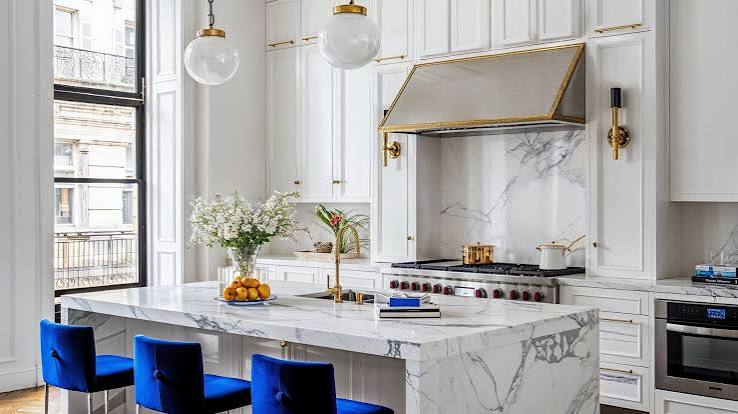
A brass range hood can give a kitchen a warm and sophisticated appearance. Depending on the finish, brass can feel traditional, luxurious, vintage, or surprisingly modern. I like using brass alongside white or cream cabinetry because the warm metallic surface becomes an attractive focal point. Dark green or navy cabinets can create an even richer combination.
To avoid making the room feel too busy, repeat the brass finish through just a few details, such as cabinet pulls or lighting. A brass hood works particularly well when you want the cooking area to feel distinctive without relying on bold colors.
9. Copper Range Hood

A copper range hood can introduce warmth and an interesting metallic texture into the kitchen. Its reddish-brown tone works especially well with natural wood, cream cabinetry, stone surfaces, and earthy colors. I love the character that copper can bring because it tends to become more visually interesting as part of a carefully coordinated kitchen. A hammered copper finish can create a rustic appearance, while a smoother finish may feel more refined.
Keep the surrounding materials relatively natural to let the hood stand out. Copper can be particularly attractive in farmhouse, Mediterranean, rustic, and traditional kitchen designs.
10. Plaster Range Hood

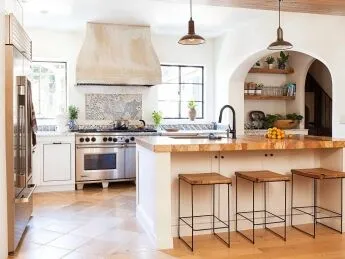
A plaster range hood can create a soft architectural feature above the stove. Its smooth, seamless appearance works beautifully in kitchens that use warm neutrals, natural stone, and understated cabinetry. I particularly like plaster hoods with gently curved or arched shapes because they introduce softness into spaces filled with straight cabinet lines. A white or warm cream finish can blend into the kitchen, while a subtle contrasting shade can make the hood more noticeable.
This design is well suited to Mediterranean, European-inspired, modern farmhouse, and organic kitchen styles where texture and simple architectural details play an important role.
11. Range Hood With Open Shelving

Combining a range hood with open shelving can make the cooking wall more useful and visually interesting. Shelves placed beside the hood can hold frequently used dishes, cooking tools, jars, or decorative pieces. I like this arrangement because it adds storage without making the entire wall feel enclosed with cabinets.
Wooden shelves can soften a white kitchen, while metal shelves can suit an industrial design. Keep the shelf display relatively organized so the area does not feel cluttered. If you have attractive cookware or ceramics, open shelving can also provide an easy way to bring personality into the kitchen.
12. Range Hood With Subway Tile Backsplash

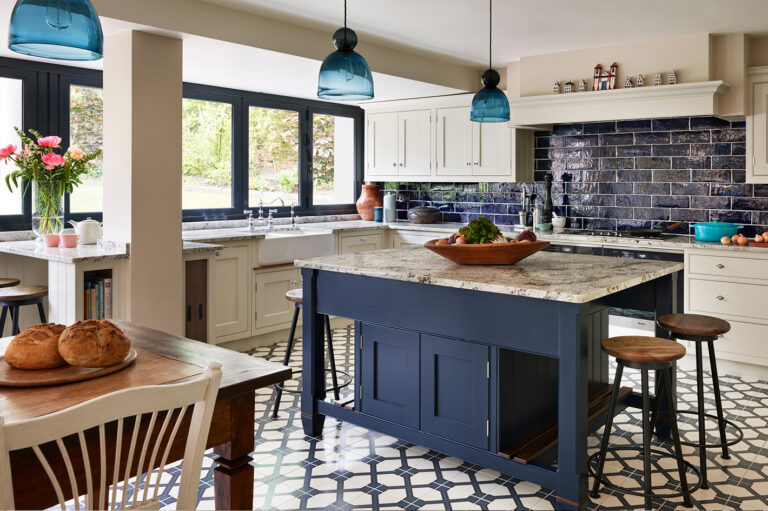
A range hood surrounded by subway tile creates a classic and easy-to-coordinate cooking wall. The simple tile pattern provides a clean background that allows the hood to become the main feature. I like using white subway tile with black, stainless steel, or wood hoods because the contrast feels timeless. You can choose traditional glossy tiles or a handmade-looking finish if you want more texture. Extending the backsplash around the entire cooking area can make the design feel cohesive.
This combination works across several kitchen styles, making it a practical option when you want a familiar look with plenty of flexibility.
13. Range Hood With Marble Backsplash

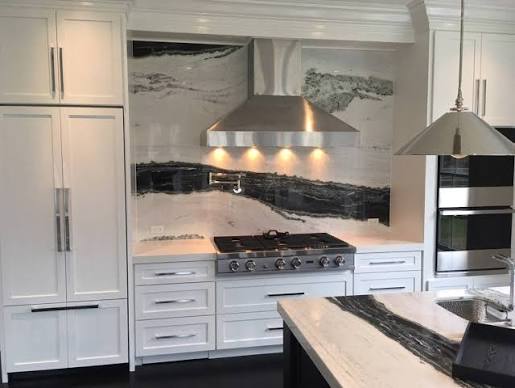
A marble backsplash behind the range hood can create an elegant focal point while giving the cooking area a polished appearance. Large marble slabs or marble-look surfaces can highlight natural veining and reduce the number of visible grout lines.
I like pairing this feature with simple cabinetry so the stone remains the star. A white hood can blend into the backsplash, while a dark or metallic hood can create contrast. If you prefer a cohesive appearance, matching the countertop and backsplash material can visually connect the lower and upper portions of the kitchen.
14. Floating Range Hood

A floating range hood can give a modern kitchen a light and streamlined appearance. Its design leaves more visual space around the cooking area and can work particularly well in kitchens with minimal cabinetry. I like this style because it draws attention to the hood without making the wall feel heavy. A simple black or stainless steel finish can complement contemporary appliances, while a sculptural shape can make the hood more decorative.
Make sure the hood size and installation height suit the cooktop beneath it. Good proportions are especially important when the hood is intentionally designed as a visible feature.
15. Rustic Stone Range Hood

A stone range hood can give the kitchen a strong natural and architectural presence. Stone finishes can work particularly well with wood cabinetry, warm neutral colors, handmade tiles, and rustic flooring. I like this approach for kitchens that aim to feel grounded and connected to natural materials. You can choose a hood surround with a subtle stone appearance or create a more dramatic feature using textured natural stone.
Keep the surrounding palette fairly calm so the material does not compete with too many patterns. This style can suit rustic, Mediterranean, farmhouse, and European-inspired kitchens beautifully.
16. Minimalist Range Hood

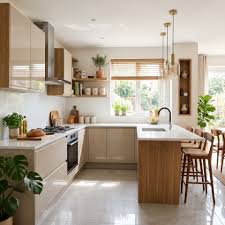
A minimalist range hood is a good choice when you prefer clean lines and an uncluttered kitchen. Simple shapes, neutral colors, and streamlined finishes allow the appliance to perform its function without dominating the room. I like pairing a minimalist hood with flat-panel cabinets, simple countertops, and understated hardware. Keeping the cooking wall visually quiet can make the entire kitchen feel more organized. You can also use a concealed hood if you want an even cleaner appearance.
The key is choosing a design that fits naturally into the kitchen instead of introducing unnecessary shapes or decorative details.
17. Curved Range Hood

A curved range hood can soften the strong horizontal and vertical lines found in many kitchens. An arched or gently rounded hood creates an architectural focal point while giving the cooking wall a more distinctive personality.
I especially like curved hoods in kitchens with traditional, Mediterranean, European, or transitional influences. You can finish the structure in plaster, paint, wood, or another material that matches the surrounding design. Keep the curve relatively simple if the kitchen already contains patterned surfaces. The result can feel elegant and welcoming without needing numerous decorative accessories around the cooking area.
18. Two-Tone Range Hood

A two-tone range hood can combine different materials or colors to create a more customized appearance. For example, a wood hood with a dark metal insert can bring together warm and cool elements in one feature.
I like this idea when the kitchen already uses two main finishes and you want the hood to connect them visually. A wood-and-white combination can feel soft and traditional, while black and wood can create a modern appearance. Try repeating each finish elsewhere in the kitchen so the hood feels intentional rather than isolated. This approach offers plenty of room for creativity without overwhelming the space.
The right range hood can make a noticeable difference in both the appearance and everyday experience of your kitchen. I think the best designs are those that fit naturally into the room while adding a little personality to the cooking area.
You can choose a simple hood that blends into the cabinetry or make a bold statement with wood, stone, metal, plaster, or a distinctive shape. Consider your kitchen size, cooking habits, cabinet style, backsplash, and overall color palette before choosing. These ideas can give you a useful starting point for your makeover. A thoughtfully selected hood can bring the entire kitchen design together while keeping the space practical and comfortable.