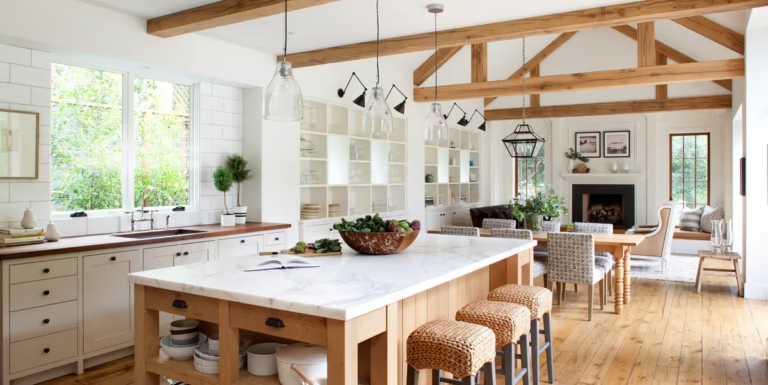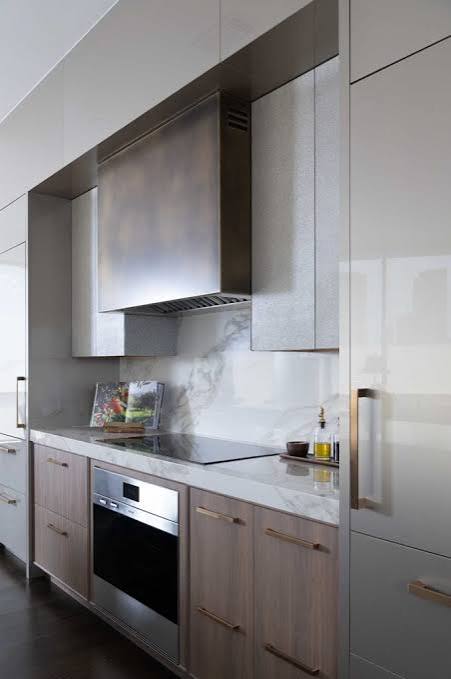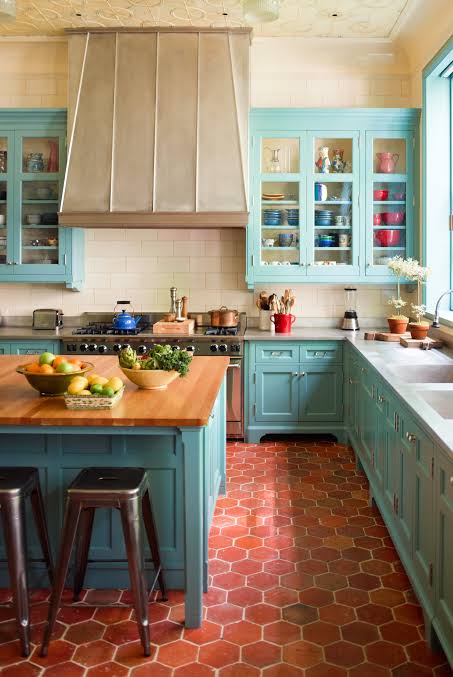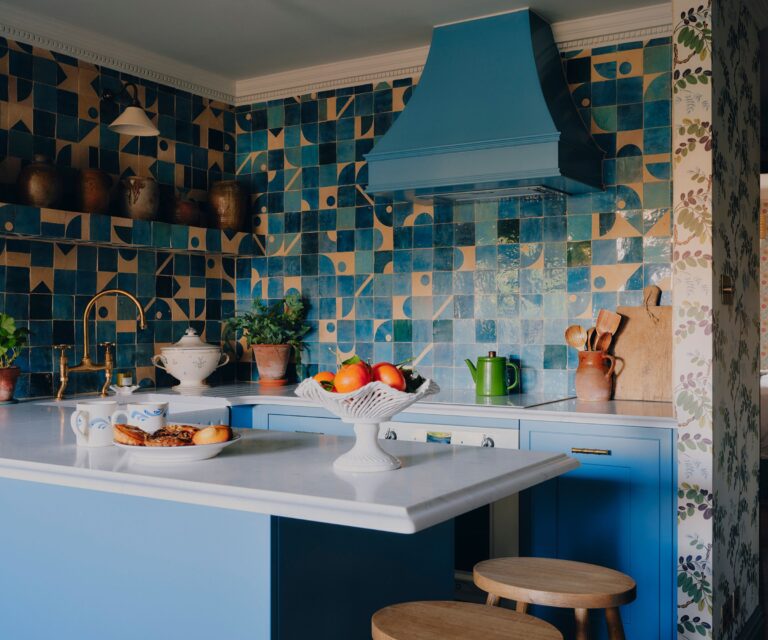
Concrete can give a kitchen a clean, modern character while adding warmth through texture and natural materials. I love how concrete works with wood, metal, stone, glass, and colorful accessories without losing its simple appearance. It can be used for countertops, islands, floors, walls, backsplashes, and even cabinet details.
The material also works beautifully in minimalist, industrial, rustic, and contemporary interiors. You do not need to use concrete across the entire kitchen to enjoy its visual appeal. A single feature can create enough contrast to transform the room. Here are some concrete kitchen ideas that combine practical design with a fresh and stylish look.
1. Concrete Kitchen Countertops

Concrete countertops can give a kitchen a strong architectural appearance without making the room feel overly complicated. I like their slightly textured surface and understated gray tones, especially when paired with warm wooden cabinets. You can choose a smooth polished finish for a refined kitchen or a more natural finish for an industrial look.
Concrete also works well with open shelving, simple hardware, and modern lighting. If the countertop is the main concrete feature, keeping the surrounding finishes relatively simple allows it to stand out. This is a great choice for anyone who wants a durable-looking surface with plenty of character.
2. Concrete Kitchen Island

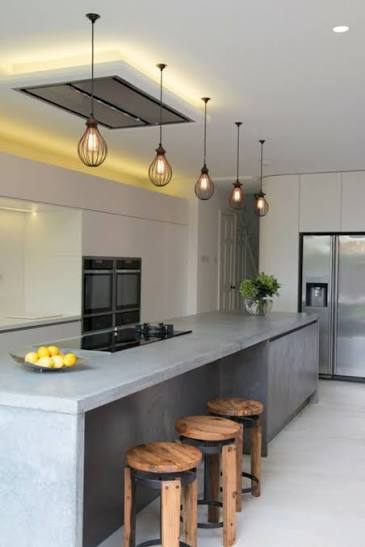
A concrete island can become the main focal point of a kitchen. I especially like large islands with smooth concrete surfaces because they create a strong visual anchor while providing plenty of useful workspace. Pairing the concrete with wooden cabinets can soften the appearance, while black fixtures can create a sharper modern style.
You can also add comfortable stools underneath to turn the island into a casual dining area. If a complete concrete kitchen feels too industrial, using the material only on the island is a much easier approach. It gives you the look without overwhelming the entire room.
3. Concrete And Wood Kitchen

Concrete and natural wood make an excellent combination because their textures balance each other beautifully. I love how cool gray concrete can look warmer when placed next to oak, walnut, or other natural wood finishes. You could use concrete countertops with wooden cabinets or combine a concrete island with wood flooring.
Open shelves can provide another opportunity to introduce natural texture. Keep the color palette simple so the materials remain the focus. This combination works especially well in contemporary and industrial kitchens, but it can also create a cozy appearance when paired with warm lighting and soft accessories.
4. Polished Concrete Kitchen

Polished concrete can create a sleek and sophisticated kitchen with a smooth, reflective surface. I like this approach when the goal is a minimalist space with very few visual distractions. Polished floors can work beautifully with white cabinetry, simple pendant lights, and streamlined appliances.
The subtle variation in the concrete prevents the room from looking completely flat while maintaining a clean appearance. You can also use polished concrete on countertops or other surfaces for continuity. This style is particularly attractive in open-plan homes because the flooring can visually connect the kitchen with nearby living areas.
5. Concrete Kitchen Walls

An exposed concrete wall can give a kitchen an architectural focal point without requiring concrete cabinets or countertops. I like this idea when the kitchen already has simple finishes because the wall adds texture and depth. You can leave the concrete in its natural gray tone or use a softer finish for a more refined appearance.
Wooden shelves, greenery, artwork, and warm lighting can prevent the wall from feeling too cold. If your kitchen has an open layout, a concrete feature wall can also visually define the cooking area while maintaining a connected feel with the rest of the home.
6. Concrete Backsplash

A concrete backsplash is a simple way to introduce the material without changing the entire kitchen. I like the smooth, continuous appearance it can create behind countertops and cooking areas. A gray concrete backsplash looks particularly attractive with white cabinets, natural wood, or black hardware.
You can keep the finish subtle or choose a more textured appearance for additional character. Since the backsplash occupies a relatively small area, it can work well even in kitchens that are not fully industrial. This idea gives the room an understated modern feature while maintaining a clean and uncluttered appearance.
7. Concrete Floors In The Kitchen

Concrete flooring can create a seamless foundation for a modern kitchen. I like how the continuous surface can make a room feel spacious, especially in open-plan layouts.
Gray concrete flooring pairs well with colorful cabinets, natural wood, white surfaces, and dark fixtures. Area rugs can add softness and introduce another color or pattern where needed. A polished finish gives a more contemporary appearance, while a slightly textured surface can feel more rustic. If you want the flooring to remain visually quiet while other kitchen features take attention, concrete can be an excellent foundation.
8. Minimalist Concrete Kitchen

A minimalist concrete kitchen focuses on clean lines, simple surfaces, and limited decoration. I love this style because the natural texture of concrete can provide visual interest without needing many accessories. Flat-front cabinets, integrated appliances, simple lighting, and uncluttered countertops work particularly well.
Add a little warmth through wooden stools, greenery, or natural textiles so the room remains inviting. You can use concrete on just one major surface or repeat it across several areas for a more unified look. The result can feel calm, organized, and contemporary without appearing overly decorated.
9. Industrial Concrete Kitchen

Concrete is naturally suited to industrial kitchen design. I like combining concrete countertops or walls with black metal shelving, exposed lighting, dark hardware, and natural wood. The mixture of rough and smooth textures gives the room plenty of character. Open shelving can display cookware while keeping the industrial atmosphere visible.
You can also introduce vintage stools or aged metal details for additional personality. The key is balancing harder materials with warmer elements so the kitchen does not feel too stark. This approach works particularly well in loft-style homes and open spaces with architectural features.
10. Concrete Kitchen With Green Cabinets

Green cabinets can soften the strong appearance of concrete and introduce a natural sense of color. I particularly like sage, olive, and deep green with medium-gray concrete surfaces. The combination feels modern while still being warm and inviting.
Wooden shelves or a butcher-block detail can add another layer of natural texture. Brass or black hardware can complete the look depending on the style you prefer. You do not need to cover the entire kitchen in concrete. A concrete countertop or backsplash can provide enough contrast against the green cabinetry to create a balanced and interesting design.
11. Concrete And White Kitchen

White cabinetry can make concrete feel lighter and more approachable. I love this combination because the white surfaces keep the kitchen bright while gray concrete adds depth and texture.
Concrete countertops, islands, or backsplashes can all work beautifully against white cabinets. Warm wood accessories can prevent the palette from feeling too cool, while black hardware can add definition. This is also a useful approach for smaller kitchens because the lighter cabinetry can help maintain an open appearance. The result is clean and modern while still having enough texture to prevent the room from looking plain.
12. Concrete Kitchen With Open Shelving

Open shelving can make a concrete kitchen feel warmer and more personal. I like using natural wood shelves against a concrete wall or backsplash because the contrast between the materials is so appealing. Display ceramic plates, glass jars, cookbooks, plants, and everyday kitchen pieces to add color and texture. Keeping some open space between objects helps the arrangement remain organized. Black metal brackets can create an industrial appearance, while simple wooden shelves feel softer.
This combination is particularly useful if your concrete kitchen feels slightly cold and needs decorative details to make it more welcoming.
13. Concrete Kitchen With Brass Hardware

Brass hardware can add warmth to a concrete kitchen and create an attractive contrast against gray surfaces. I like using brass handles, faucets, pendant lights, or cabinet pulls to break up the cooler appearance of concrete.
Warm brass looks especially beautiful with medium-gray concrete and white or green cabinets. Keep the finish consistent across several details so it feels intentional rather than random. Wooden accessories can add another warm element without competing with the metal. This idea is ideal if you love concrete but want your kitchen to feel elegant and inviting instead of strictly industrial.
14. Small Concrete Kitchen

Concrete can work surprisingly well in a small kitchen when used thoughtfully. I would focus on one or two areas, such as a countertop, backsplash, or compact island, rather than covering every surface. Light-colored cabinets can help keep the room visually open, while concrete adds texture and definition.
Open shelving can provide storage without making the walls feel heavy. A few warm wood details can also soften the overall design. If you love industrial interiors but have limited space, small concrete features can give you the desired character without making the kitchen feel cramped.
15. Concrete Kitchen With Black Cabinets
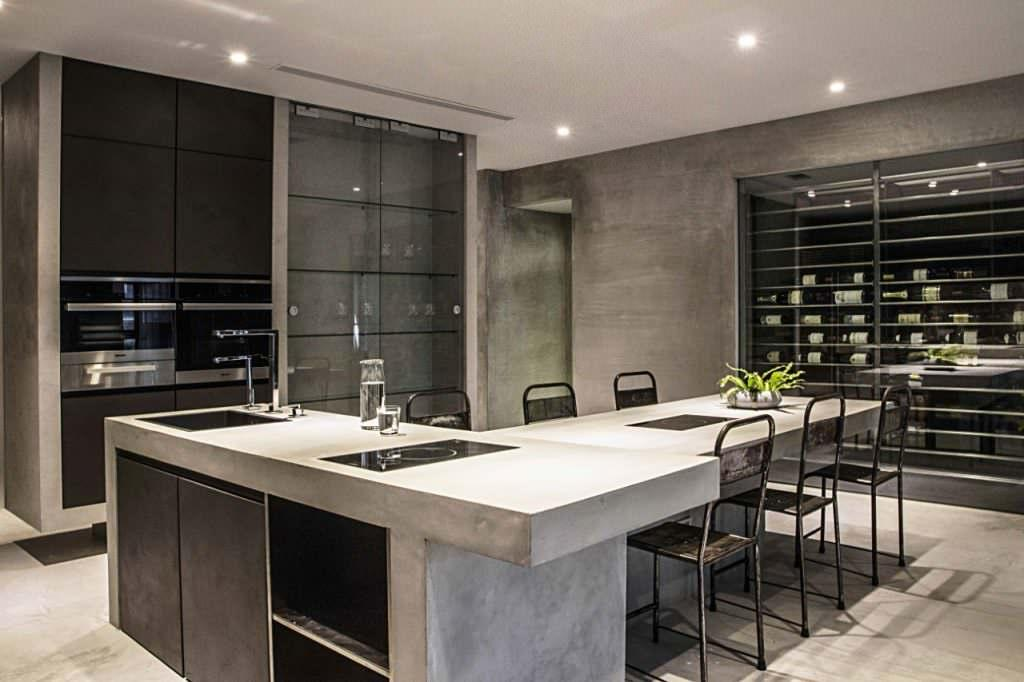
Black cabinets and concrete can create a dramatic modern kitchen with plenty of depth. I like pairing matte black cabinetry with medium or light gray concrete so the surfaces remain visually distinct. Natural wood flooring or shelves can add warmth, while simple lighting keeps the room from becoming too dark. If the kitchen receives plenty of natural light, this combination can look especially striking.
You can also add small plants or light-colored accessories for contrast. This style is a strong choice for anyone who enjoys moody interiors and wants the kitchen to have a bold architectural presence.
16. Concrete Kitchen With Wooden Shelves
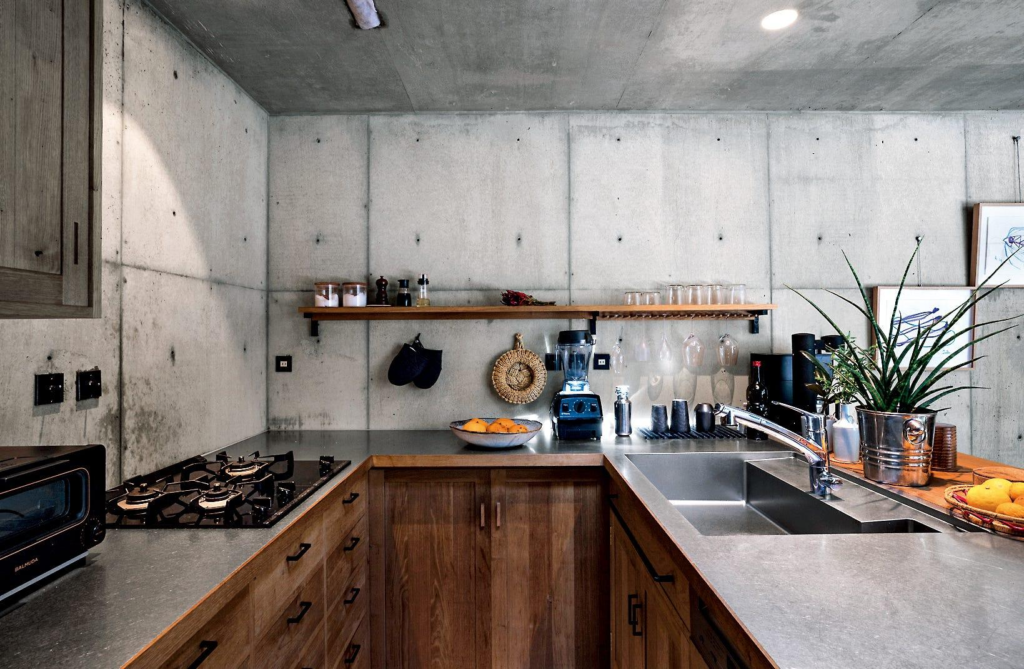
Wooden shelves are an easy way to soften a concrete kitchen while adding useful storage. I like thick natural wood shelves against gray concrete because the contrast creates a warm and balanced appearance. Use the shelves for plates, mugs, jars, plants, and cookbooks so the wall becomes both functional and decorative.
Choose wood with visible grain if you want more texture. Black brackets can reinforce an industrial style, while floating shelves create a cleaner modern appearance. This idea works particularly well when you want concrete to remain the main feature without letting the kitchen feel cold.
17. Concrete Kitchen With Warm Lighting

Lighting can completely change how concrete looks in a kitchen. I recommend warm lighting if you want gray surfaces to feel softer and more inviting. Pendant lights over an island can create a beautiful focal point, while under-cabinet lighting can highlight the texture of a concrete backsplash. Wooden details and warm-toned accessories can reinforce the cozy effect.
Avoid relying only on harsh overhead lighting because it may make concrete feel colder. A layered lighting plan gives you more control over the atmosphere and allows the same kitchen to feel bright during the day and comfortable at night.
18. Concrete Kitchen With Colorful Accessories

Colorful accessories can make a concrete kitchen feel cheerful and personal. I love adding colorful stools, ceramic dishes, artwork, rugs, cookware, or small appliances against a neutral concrete backdrop. Because concrete usually has an understated gray palette, almost any carefully chosen color can stand out beautifully.
You could use mustard yellow, blue, green, terracotta, or even soft pink depending on your style. The trick is repeating one or two colors so the room feels coordinated. This is also a flexible option because accessories can be changed easily whenever you want to refresh the kitchen.
19. Concrete Kitchen With Natural Stone

Concrete and natural stone can create a sophisticated kitchen with plenty of organic texture. I like combining smooth concrete surfaces with stone countertops, floors, or backsplashes that have natural variation. Marble, limestone, or other stone finishes can introduce subtle color and pattern against the understated concrete.
Keep cabinetry simple so the materials remain the focus. Wood can also be added to soften the combination and create a more comfortable atmosphere. This design works well when you want an architectural kitchen that feels substantial while still maintaining a connection with natural materials.
20. Concrete Kitchen With Pendant Lighting

Pendant lighting can add personality to a concrete kitchen while providing useful illumination over an island or dining area. I like simple black fixtures for an industrial appearance, while glass or brass pendants can create a softer and more elegant look. Hanging several matching lights above a concrete island can establish a strong focal point without adding unnecessary decoration.
Choose fixtures that complement the other hardware in the room. Good pendant lighting also helps break up large expanses of gray, giving the kitchen more visual layers and making the space feel warmer and more complete.
21. Modern Concrete Kitchen With Mixed Textures
Mixing several textures can prevent a concrete kitchen from feeling flat or overly industrial. I like combining concrete with wood grain, brushed metal, glass, woven textiles, and greenery. For example, concrete countertops can work with wooden cabinets, metal lighting, glass doors, and a textured rug. Each material contributes something different while the concrete provides a strong foundation.
Keep the overall color palette relatively controlled so the textures remain easy to appreciate. This approach is ideal if you want a modern kitchen that feels sophisticated and layered rather than relying on one material throughout the entire room.
A concrete kitchen can feel modern, warm, practical, and highly personal when the material is balanced with the right finishes. I love pairing concrete with natural wood, greenery, warm lighting, brass details, colorful accessories, and simple cabinetry. You can make a dramatic statement with a complete concrete design or keep things subtle with a countertop, backsplash, island, or floor.
The most successful spaces usually combine different textures so the gray surfaces never feel flat or cold. Think about the atmosphere you want, then choose the concrete features that support it. With thoughtful details, this material can create a kitchen that feels stylish, comfortable, and timeless.