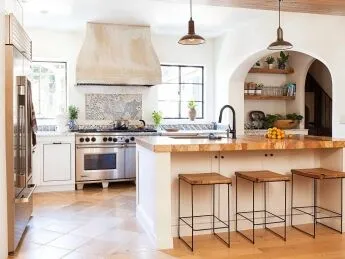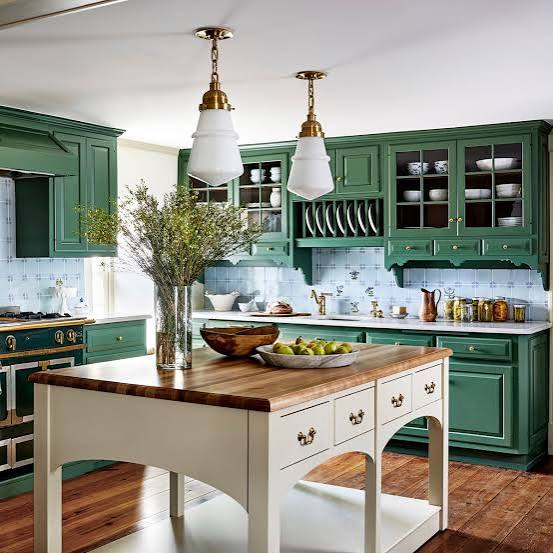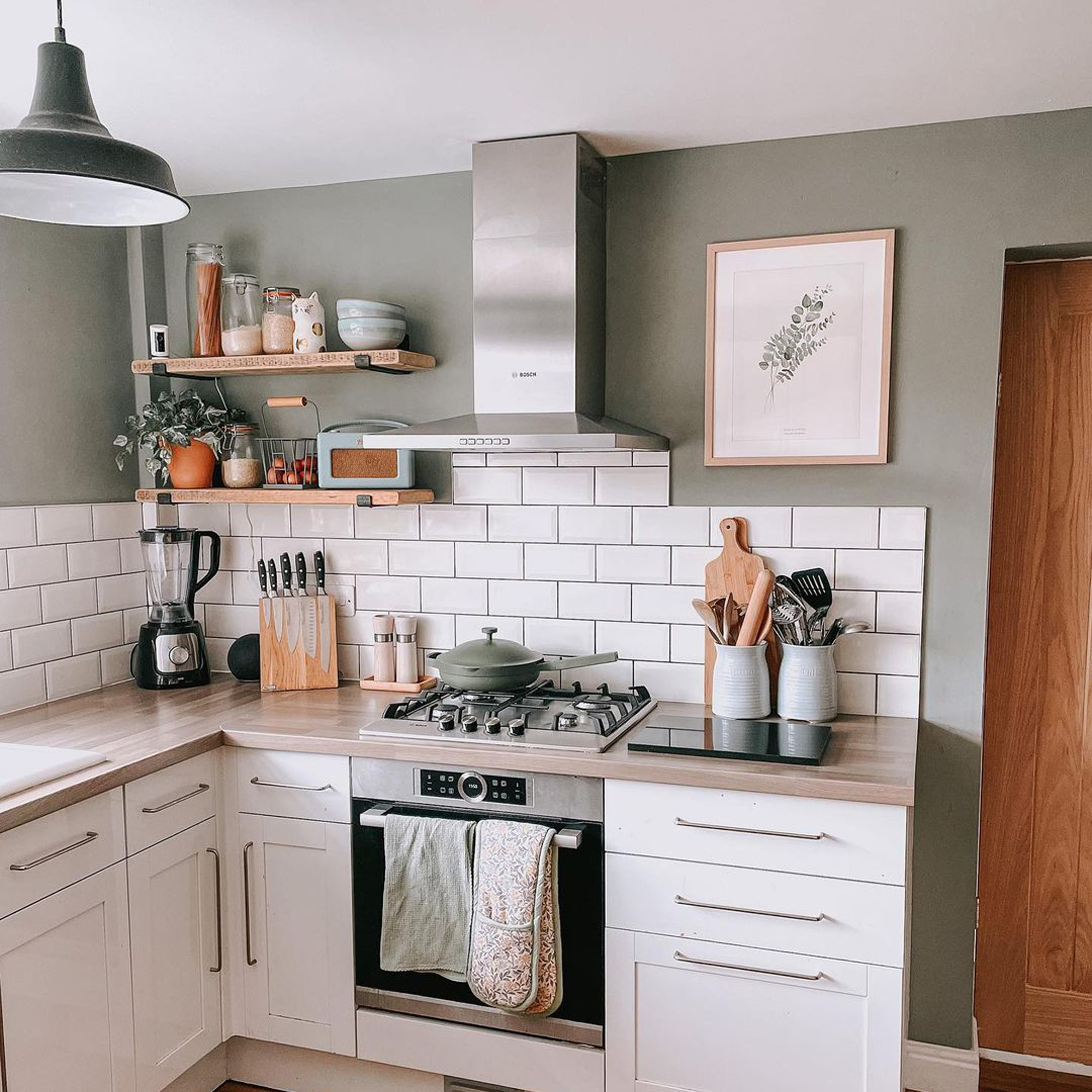
A small kitchen can still feel organized, comfortable, and beautiful with the right storage ideas. I have found that even simple changes can make a noticeable difference when every cabinet, shelf, and countertop has a purpose. Smart storage helps keep everyday items easy to reach while giving the kitchen a cleaner appearance. The key is to use the available space carefully without making the room feel crowded.
These small kitchen storage ideas combine practical organization with attractive details, so your cooking area can feel more open, welcoming, and enjoyable. A few thoughtful upgrades can completely change the way your kitchen looks and works.
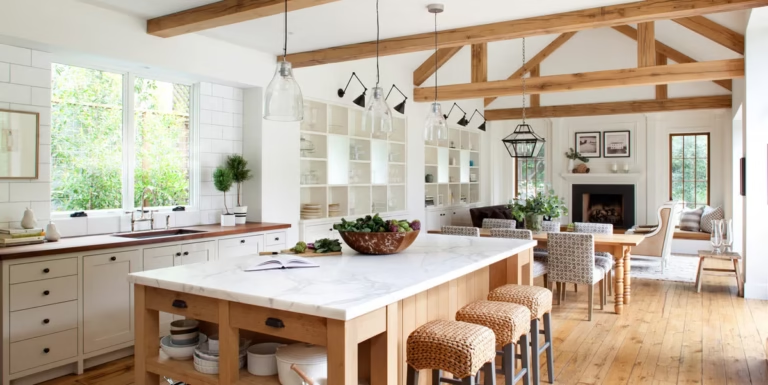
1. Use Open Shelving

Open shelving is one of my favorite ways to add storage to a small kitchen without making the walls feel heavy. Floating shelves can hold everyday plates, mugs, bowls, jars, and decorative pieces while keeping everything visible. I like using matching containers and a few natural accents to make the shelves look intentional rather than cluttered.
Install shelves in an unused wall area, above the countertop, or beside a window. Keeping frequently used items on the lower shelves also makes cooking easier because everything is within quick reach.
2. Add a Slim Rolling Cart
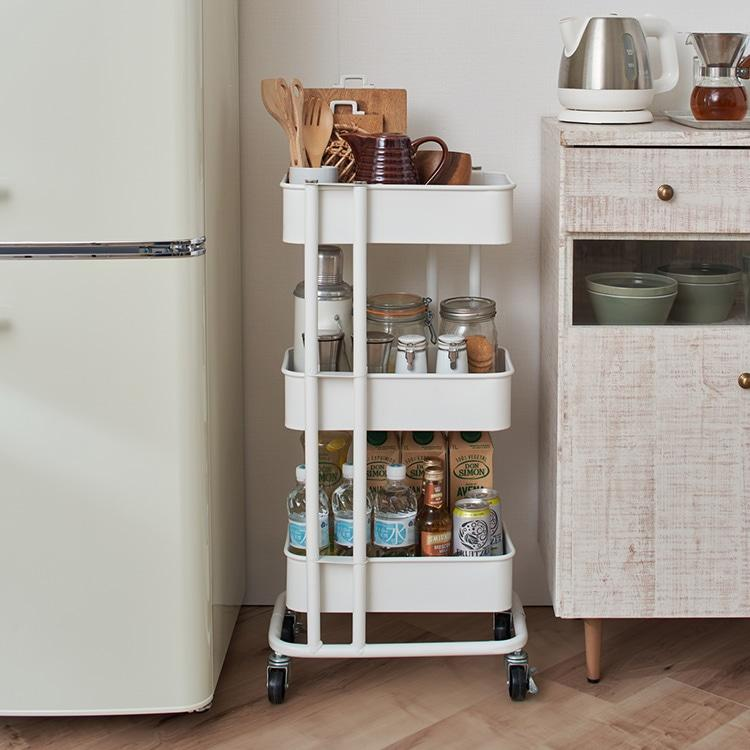
A slim rolling cart can turn an awkward gap into useful storage. This is especially helpful in kitchens where there is a narrow space between the refrigerator and cabinets. I would use the shelves for spices, cooking oils, canned goods, baking supplies, or small appliances. Since the cart can move, you can pull it closer while preparing meals and push it away when you need more floor space.
Choose a simple design that matches your kitchen finishes so the cart feels like part of the room instead of an extra piece of furniture.
3. Install a Pegboard Wall

A pegboard can provide flexible storage when cabinet space is limited. Instead of keeping cooking tools inside an already crowded drawer, you can hang measuring cups, spatulas, wooden spoons, pans, and other useful items on the wall.
I especially like pegboards because their arrangement can change as your storage needs change. Paint the board in a color that works with your kitchen palette for a more finished appearance. Keep your most attractive tools visible and place less attractive items elsewhere to maintain a neat, inviting look.
4. Use the Inside of Cabinet Doors
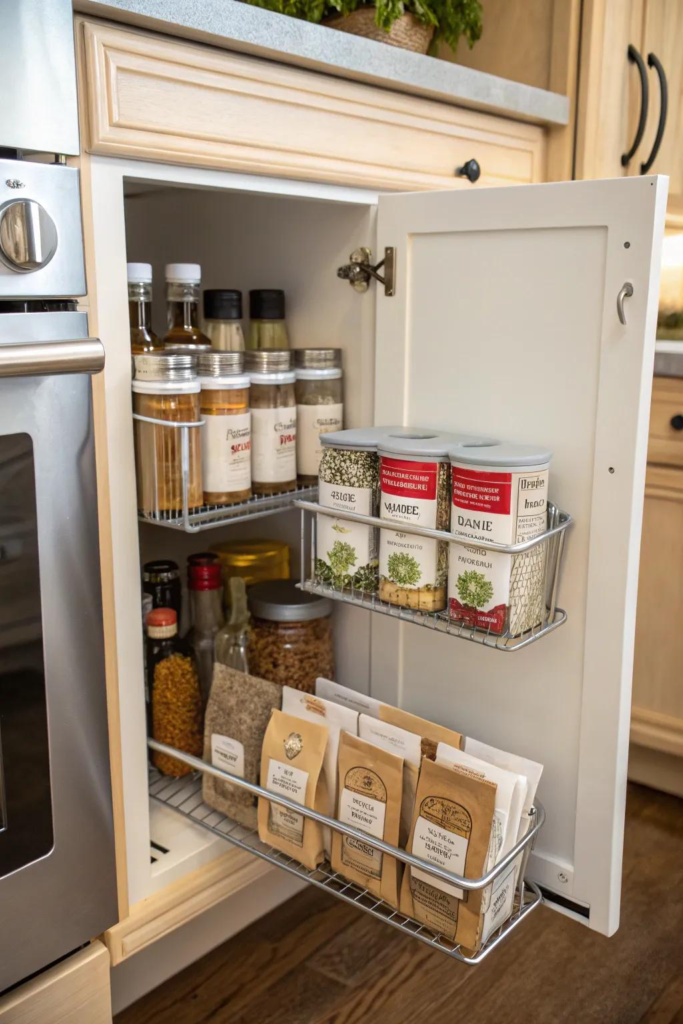
The inside of a cabinet door is an easy storage opportunity that many people overlook. Small adhesive racks or slim organizers can hold spices, cleaning supplies, measuring spoons, pot lids, or food wraps. I find this especially useful because it creates additional storage without taking away valuable countertop or floor space.
Before installing anything, check that the door can close properly with the organizer attached. Keep heavier items in sturdy racks and reserve lightweight products for adhesive solutions. This small adjustment can make crowded cabinets considerably easier to manage.
5. Create a Magnetic Spice Wall

Spice jars can quickly take over a small cabinet, so a magnetic spice system can be a clever alternative. Magnetic containers can sit on the refrigerator or a suitable metal surface, allowing spices to remain visible and easy to grab.
I like the clean appearance of identical jars because they create a more organized look. Label each container clearly and arrange frequently used spices within easy reach. If you prefer not to display spices, consider placing the containers on the inside of a metal cabinet door or another hidden surface.
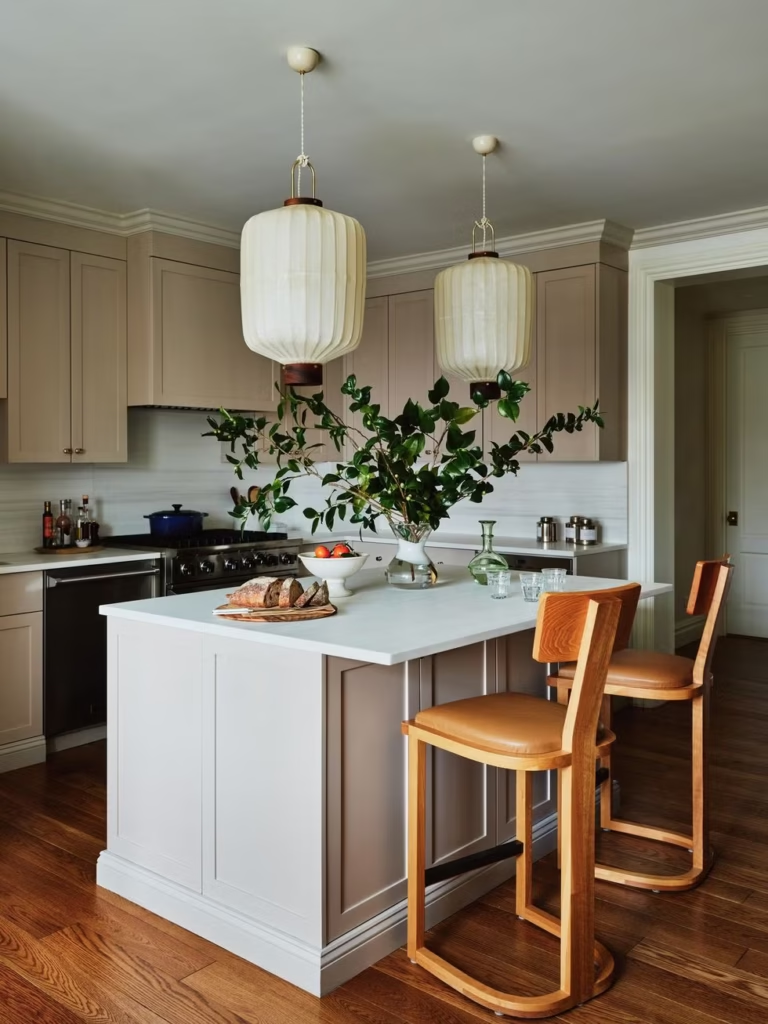
6. Choose a Kitchen Island With Storage

A compact kitchen island can provide extra counter space and valuable storage at the same time. Instead of choosing a large island that makes the room difficult to move around, look for a narrow model with drawers, shelves, or cabinets underneath.
I would use those compartments for pots, pans, serving dishes, or small appliances. A movable island can be even more practical because you can reposition it when needed. Choose an island with proportions that leave comfortable walking space around it so the kitchen remains functional rather than cramped.
7. Add a Hanging Pot Rack

Pots and pans can consume a surprising amount of cabinet space. A hanging rack can move some of that cookware onto an unused wall or ceiling area. I like this approach in kitchens with limited lower cabinets because it keeps frequently used pans accessible while freeing room for other supplies. A simple metal rack can also add character to the kitchen.
Just make sure it is securely installed and positioned where it will not interfere with movement. Keep only your most-used cookware visible so the arrangement looks purposeful and tidy.
8. Use Drawer Organizers
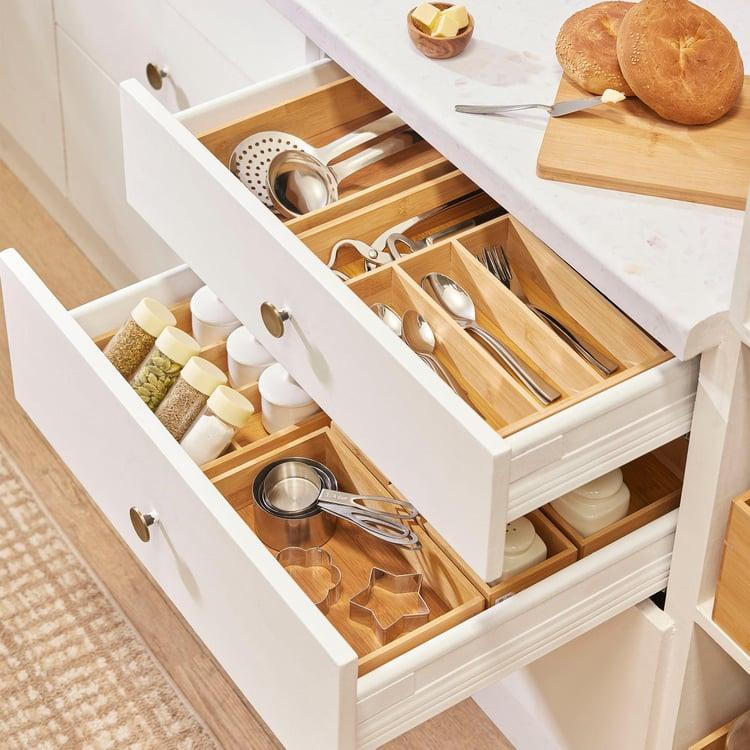
Drawers can become messy quickly when utensils are simply tossed inside. Drawer organizers create individual spaces for forks, spoons, knives, measuring tools, and other kitchen essentials. I prefer adjustable organizers because they can be customized to fit different drawer sizes.
You can also use narrow compartments for small items such as peelers, bottle openers, and kitchen scissors. Keeping similar tools together makes everyday cooking much easier. A well-organized drawer also prevents wasted space because each section has a clear purpose.
9. Install a Wall-Mounted Rail
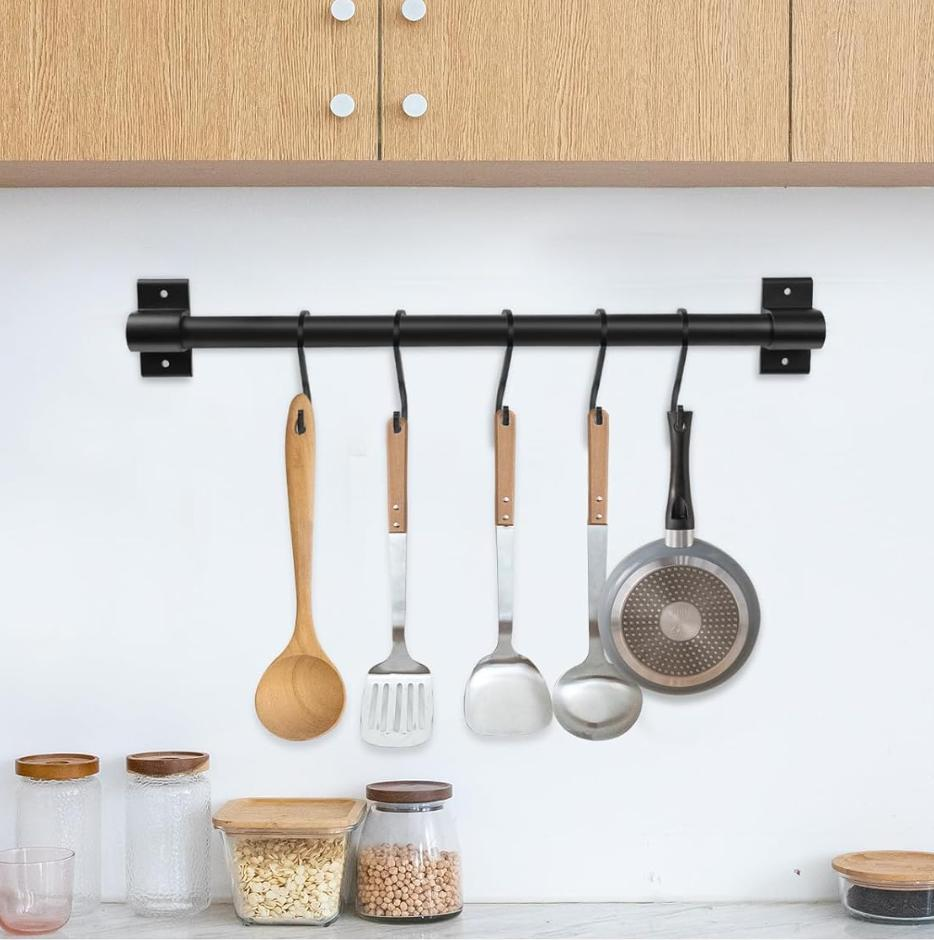
A wall-mounted rail can turn a blank section of wall into practical storage. Add hooks to hang utensils, small baskets, measuring cups, towels, or even lightweight pots.
I like this idea because the setup is simple and can be customized as your needs change. Install the rail near your main preparation area so frequently used tools are easy to access. Keep the display limited to useful items instead of hanging everything you own. A clean arrangement can add an attractive kitchen detail while also keeping your counters clear.
10. Make Use of Corner Cabinets

Corner cabinets often contain awkward areas that are difficult to reach, but smart organizers can make those spaces much more useful. Lazy Susans, pull-out shelves, and rotating trays can help you access items without moving everything in front. I would reserve corner storage for less frequently used cookware, serving dishes, or pantry supplies.
Organize the shelves according to item size so the space does not become a dumping ground. Improving one difficult corner can give you more usable storage without changing the kitchen layout.
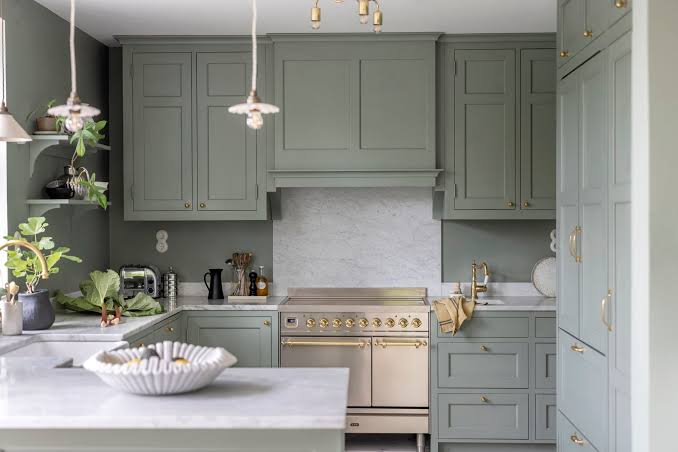
11. Add Floating Shelves Above the Sink

The wall above a kitchen sink can become valuable storage when cabinet space is limited. A couple of floating shelves can hold dish soap, attractive containers, mugs, small plants, or frequently used kitchen items. I would avoid placing too many objects near the sink because water splashes can make them harder to maintain.
Choose shelves that are easy to wipe clean and use simple containers for everyday essentials. This approach combines practical storage with decoration, helping an otherwise empty wall contribute to the overall personality of the kitchen.
12. Use Stackable Containers

Stackable containers can make a big difference inside crowded cabinets and pantries. Instead of having bags and boxes spread across several shelves, transfer suitable dry foods into containers that can sit neatly on top of one another. I like clear containers because it is easy to see what is available without opening every container.
Choose square or rectangular shapes when possible because they tend to use shelf space efficiently. Labeling each container can also make meal preparation faster and help keep the pantry looking clean.
13. Add Under-Shelf Baskets
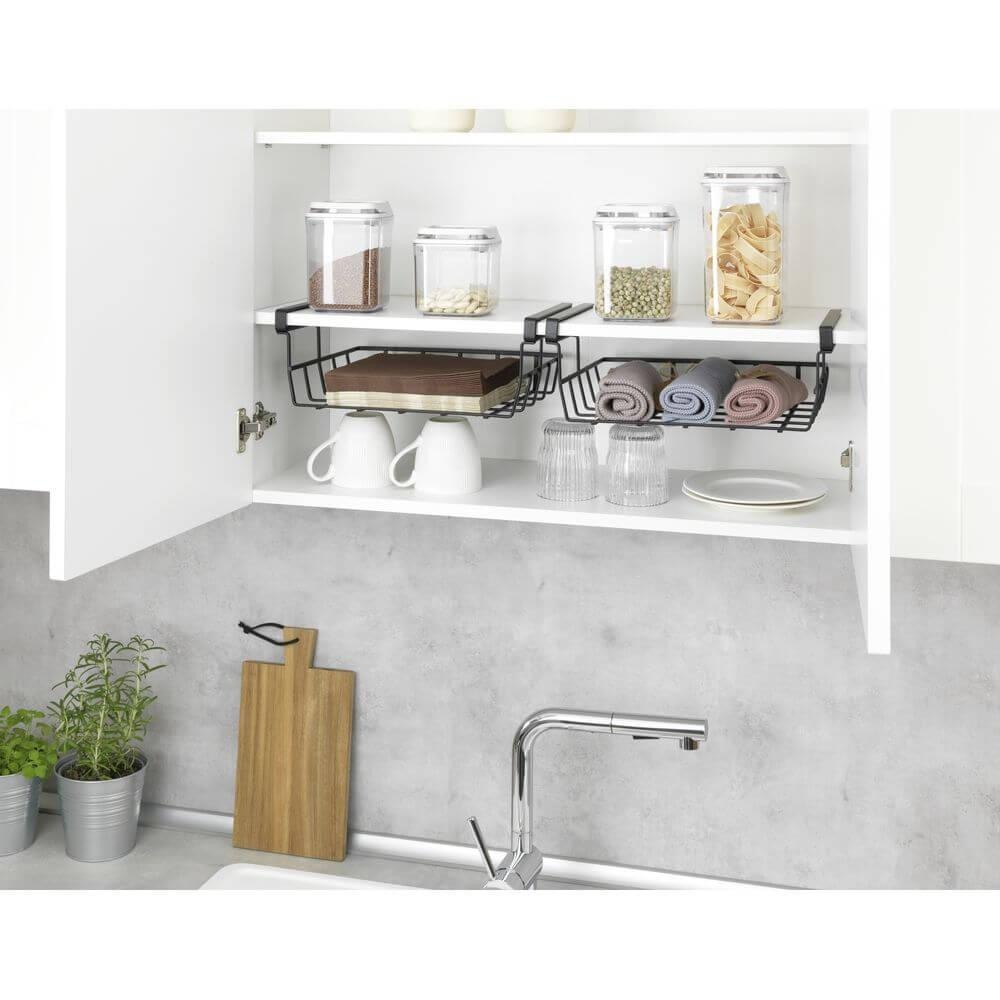
Under-shelf baskets are useful when you have vertical space inside cabinets that is currently going unused. These baskets slide or hook underneath an existing shelf, creating another level for lightweight items. I would use them for napkins, tea towels, small packets, snacks, or flat kitchen accessories.
They are particularly helpful in tall cabinets where the distance between shelves leaves too much empty room. Look for sturdy baskets that fit securely and do not interfere with the cabinet door. This simple addition can effectively increase storage capacity.
14. Create a Dedicated Coffee Station

A small coffee station can keep mugs, coffee, filters, and equipment organized in one convenient location. Instead of allowing these items to spread across the countertop, dedicate one compact area to your morning routine. A narrow shelf, small cabinet, or rolling cart can work well.
I like adding a few matching jars for coffee and sugar because they make the area look organized while keeping ingredients accessible. If counter space is extremely limited, place the coffee supplies on a wall shelf or inside a cabinet near the coffee maker.
15. Install a Pull-Out Pantry

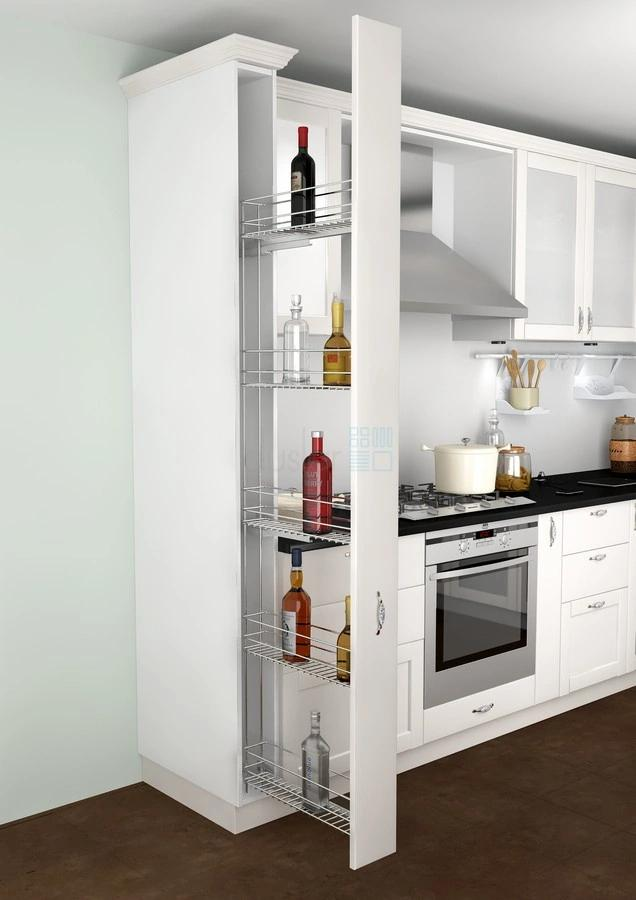
A narrow pull-out pantry can transform a small gap into highly useful food storage. These slim cabinets are designed to slide outward, giving you access to shelves that would otherwise be difficult to reach. I would organize the pantry according to categories, keeping canned foods together, baking ingredients together, and snacks in another section. Clear labels can make the system even easier to use.
This solution works particularly well in compact kitchens because it uses vertical space while taking up very little floor area.
16. Use a Magnetic Knife Strip

A magnetic knife strip can free up valuable drawer space while keeping knives organized. Mount it securely on a suitable wall section away from areas where children can easily reach it. I like the simple appearance because the knives become part of the kitchen arrangement rather than taking up room inside a drawer. Choose a location close to your food preparation area for convenience.
If you have several knives, arrange them with enough spacing so each one can be removed safely without disturbing the others.
17. Add Storage Above the Refrigerator

The area above the refrigerator often becomes wasted space in a small kitchen. A sturdy basket, cabinet, or storage box can turn this area into a useful spot for items you do not need every day.
I would keep larger serving pieces, baking equipment, extra kitchen linens, or rarely used appliances there. Avoid placing anything unstable or excessively heavy above the refrigerator. Matching baskets can make this storage area look more intentional and attractive. It is a simple solution that takes advantage of vertical space without affecting your working areas.
18. Use Baskets Inside Lower Cabinets
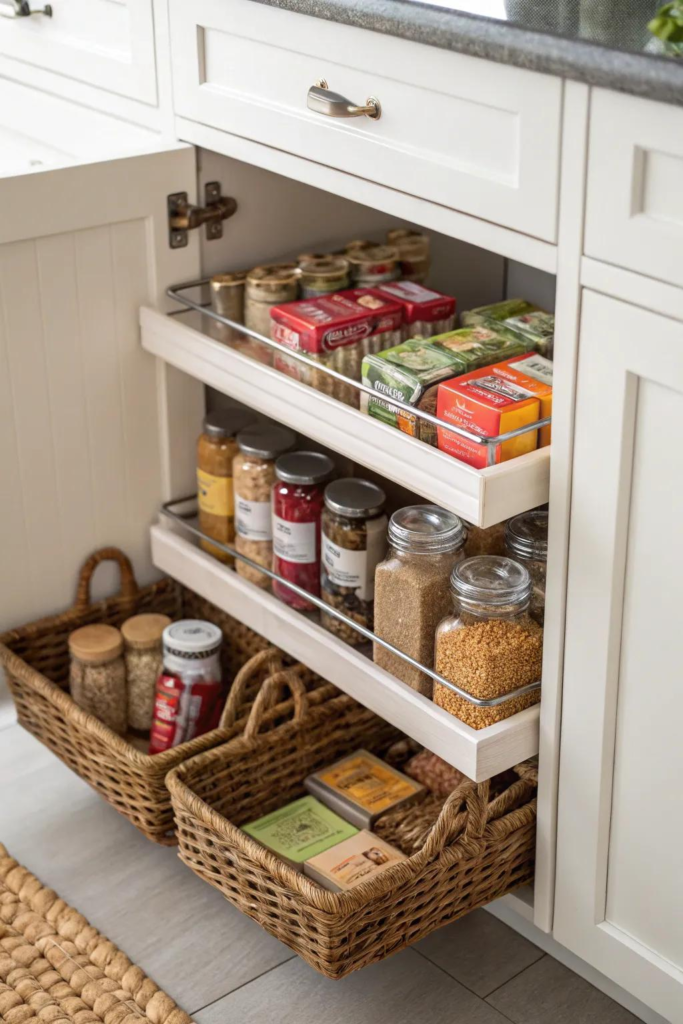
Baskets can make deep lower cabinets much easier to organize. Instead of reaching toward the back for individual items, group similar products inside separate baskets that can slide outward. I would use one basket for cleaning supplies, another for extra towels, and another for pantry items that do not fit neatly elsewhere. Woven baskets can add warmth, while wire baskets offer a more modern appearance.
Choose containers that are easy to lift and clean. This approach can turn a messy cabinet into a practical storage zone.
19. Install a Slim Breakfast Bar With Shelving
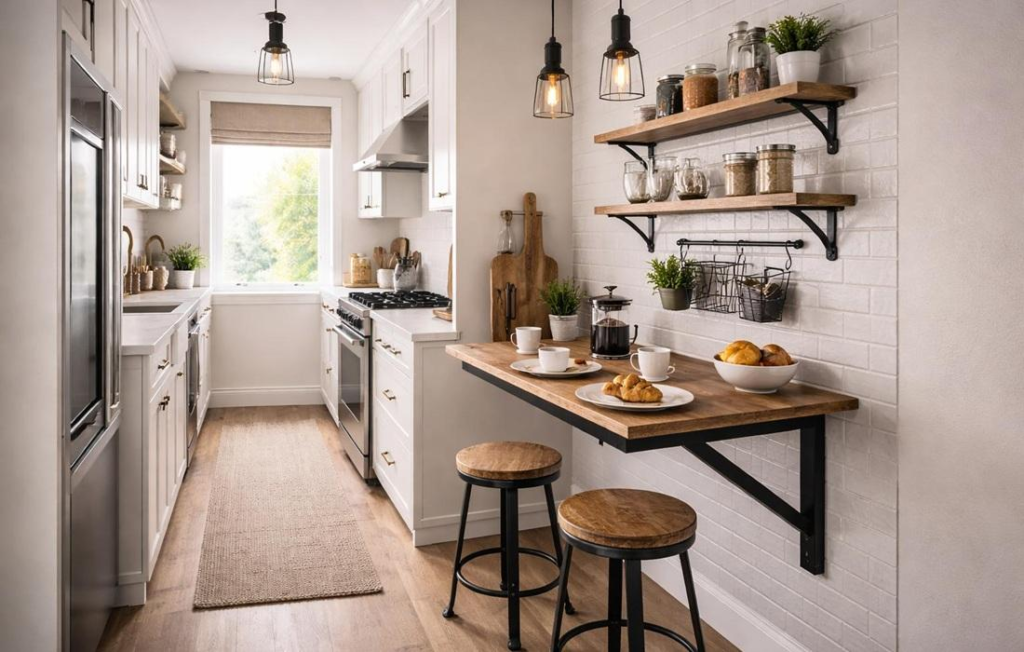
A slim breakfast bar can serve two purposes in a compact kitchen. It can provide a place to eat or prepare food while offering shelving underneath for additional storage. I like this idea for apartments and narrow kitchens where a traditional dining table would take up too much room. Use the lower shelves for cookbooks, baskets, dishes, or small appliances.
Keep the countertop relatively clear so the breakfast bar feels spacious. Choose stools that can slide completely underneath when they are not being used.
20. Hang Baskets on the Wall

Wall-mounted baskets can add storage while giving the kitchen a relaxed and welcoming appearance. They work well for fruit, vegetables, towels, packaged foods, or small kitchen accessories. I especially like natural woven baskets because they introduce texture and warmth to a room filled with hard surfaces. Install them on an unused wall, pantry door, or suitable cabinet side.
Keep heavier food items in securely mounted baskets and avoid overloading them. A small collection of coordinated baskets can look decorative while solving a genuine storage problem.
21. Create a Hidden Appliance Cabinet
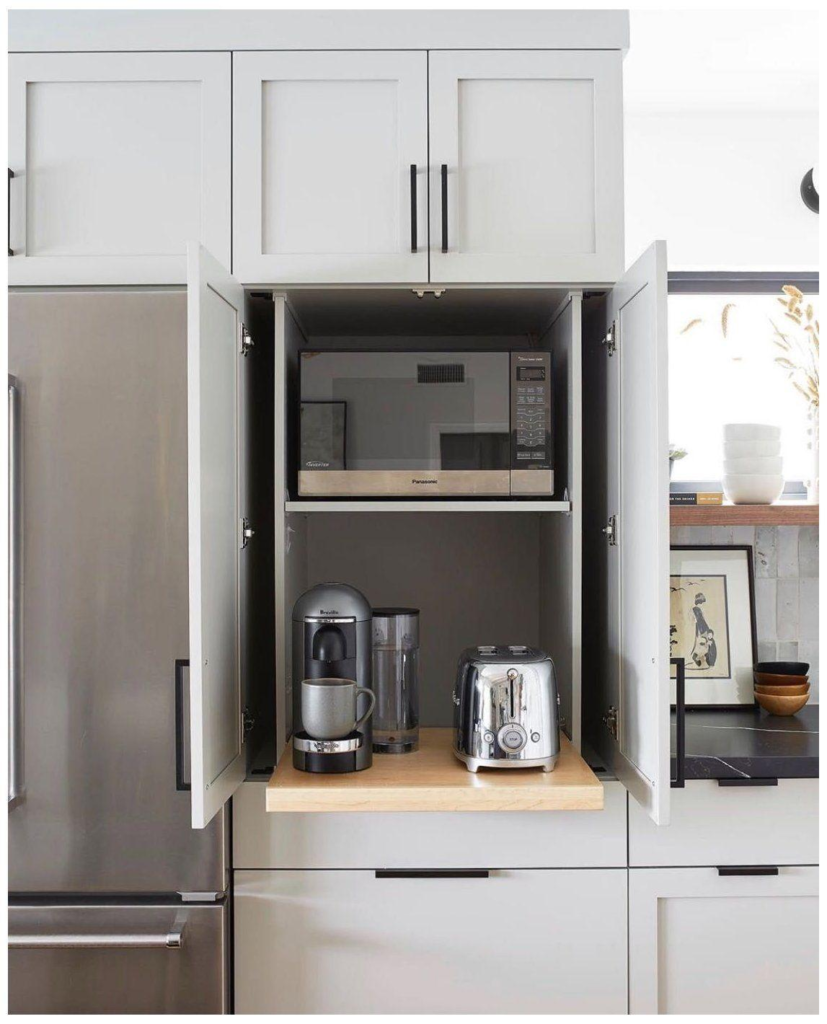
Small appliances can quickly make a compact kitchen feel crowded. If possible, create a dedicated cabinet for appliances such as a toaster, blender, mixer, or coffee machine. I prefer keeping the appliances together because it makes the countertop much easier to maintain. An appliance garage can also hide frequently used equipment while keeping it accessible.
Make sure the cabinet has enough ventilation and that appliances are stored safely. Even one clear countertop can make a small kitchen appear noticeably larger and more inviting.
22. Use the Side of a Cabinet
The side of a kitchen cabinet can become useful storage when other surfaces are already occupied. A narrow rail, hooks, magnetic strip, or slim basket can hold kitchen towels, measuring tools, utensils, or small accessories. I like this idea because the storage remains tucked against an existing structure and does not require additional floor space.
If the cabinet side is visible, choose organizers that complement the kitchen style. Keeping the arrangement simple will prevent the area from looking cluttered while giving you another convenient place for everyday essentials.
A small kitchen does not need to feel crowded just because storage space is limited. I have found that the best results usually come through small improvements that make every area work harder. Shelves, baskets, rolling carts, drawer organizers, cabinet solutions, and wall storage can create useful places for everyday items while keeping the room attractive.
The goal is to keep counters clear, group similar things together, and make frequently used items easy to reach. With a little planning, even a compact kitchen can feel organized, comfortable, and welcoming. These ideas can help you create a kitchen that feels easier to use every day.