Kitchen design in 2025 is all about combining beauty with everyday practicality. Homeowners are embracing warm colors, natural textures, clever storage, statement lighting, and layouts that make cooking and gathering more enjoyable.
The latest kitchen looks move beyond purely minimalist spaces and introduce personality through wood tones, layered materials, colorful cabinetry, textured surfaces, and thoughtful decorative details. Function remains equally important, with organized storage and multifunctional work areas helping kitchens perform better. Whether you are planning a complete renovation or simply refreshing a few details, these 18 kitchen ideas can inspire a space that feels contemporary, comfortable, inviting, and perfectly suited to modern living.
1. Warm Wood Kitchen Cabinets

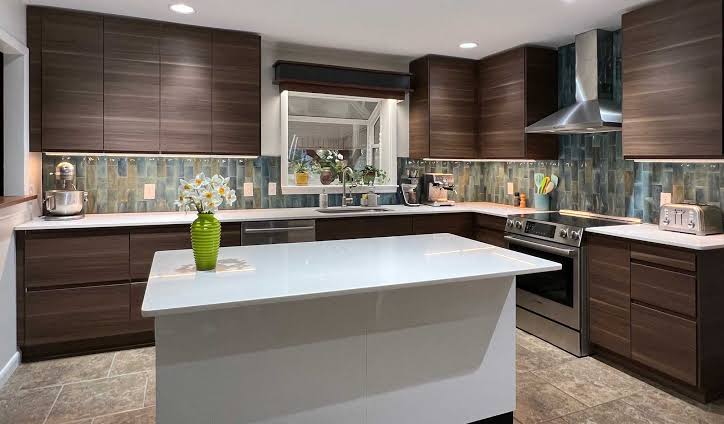
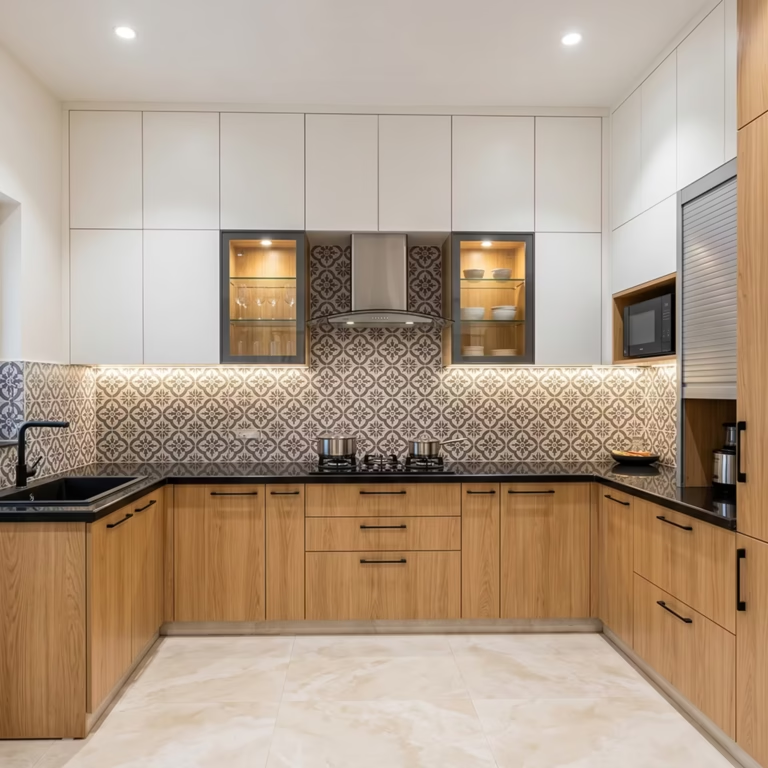
Warm wood is creating a more inviting alternative to the ultra-white kitchens that dominated previous design trends. Oak, walnut, and other natural wood finishes bring texture and depth to cabinetry while making the kitchen feel connected to nature. You can use wood across all cabinets or combine it with painted cabinetry for contrast. Light oak works beautifully in Scandinavian-inspired spaces, while walnut creates a richer appearance.
Pair wooden cabinetry with stone countertops, simple hardware, and warm lighting for a contemporary look. The goal is to let the natural grain become part of the design while keeping the overall kitchen organized and uncluttered.
2. Bold Blue Kitchen Cabinets

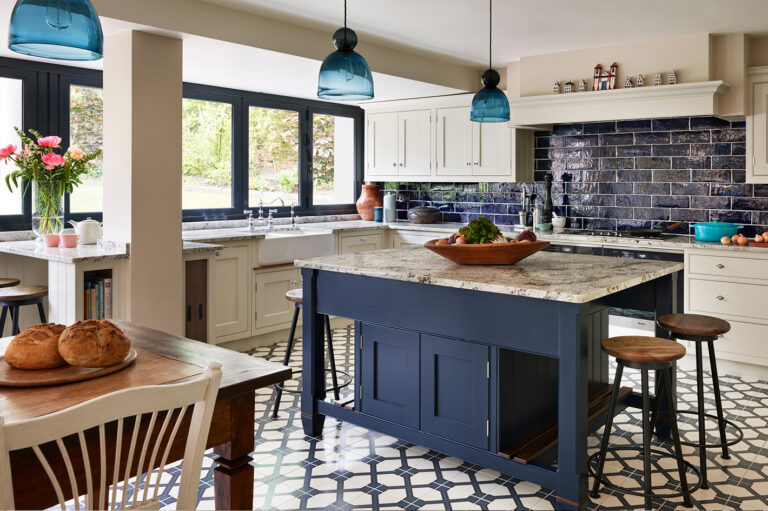
Blue cabinetry remains a stylish choice for kitchens that need personality and depth. Navy, dusty blue, slate, and sophisticated teal can all create different moods while maintaining a polished appearance. Use blue throughout the cabinetry for a dramatic effect or reserve it for the island to create a statement feature. White countertops and backsplashes can brighten darker shades, while natural wood introduces warmth.
Brass hardware offers an elegant contrast, while black fixtures create a sharper modern aesthetic. This trend works particularly well in kitchens where homeowners want a stronger color statement without choosing an extremely bright or unconventional shade.
3. Statement Kitchen Islands

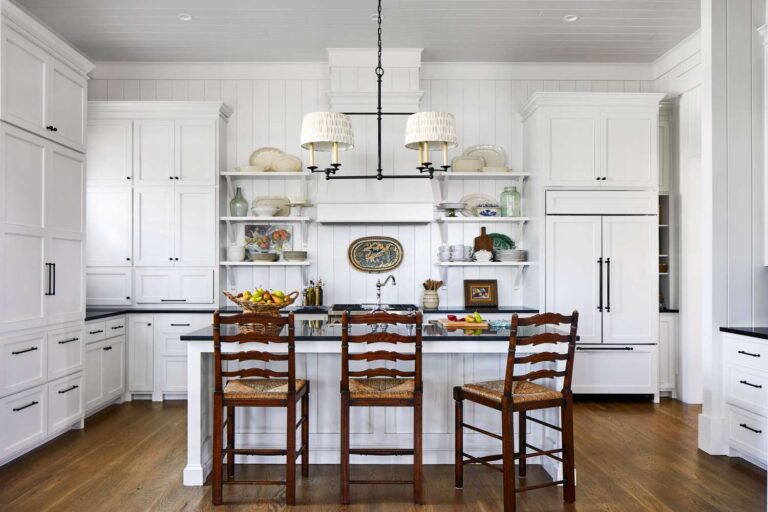
Kitchen islands are becoming more than simple preparation surfaces. A statement island can combine cooking, storage, dining, entertaining, and workspace functions within one central feature. Consider a contrasting cabinet color, waterfall countertop, unusual stone pattern, or oversized pendant lights to make the island stand out. Islands with seating can also create a natural gathering point for family and guests.
If you have enough floor space, incorporating drawers on the working side can improve organization. The best island design balances visual impact with comfortable circulation, ensuring there is enough room around it for doors, appliances, and everyday movement.
4. Fluted and Reeded Kitchen Details

Fluted and reeded surfaces add texture to modern kitchens without relying on elaborate decoration. These vertical grooves can appear on cabinet doors, islands, appliance panels, or decorative walls. Natural wood with fluted detailing creates a warm contemporary appearance, while painted finishes offer a more refined look.
The vertical pattern can also create visual height and make cabinetry feel more architectural. Because the texture itself provides interest, the rest of the kitchen can remain relatively simple. Pair fluted details with smooth stone countertops and understated hardware to create a balanced space that feels sophisticated without becoming visually overwhelming.
5. Hidden Appliance Storage

Keeping countertops clear is becoming increasingly important as kitchens serve multiple purposes. Appliance garages and hidden storage cabinets provide dedicated spaces for coffee machines, toasters, blenders, mixers, and other frequently used equipment. Retractable doors or pocket-style cabinet fronts can conceal appliances while keeping them easy to access.
Electrical outlets can be installed inside suitable cabinets so appliances do not need to be unplugged constantly. This approach creates a cleaner visual appearance and reduces countertop clutter. It is especially useful in open-plan kitchens because the kitchen remains visually tidy even when seen directly alongside living or dining areas.
6. Large Walk-In Pantry

A well-designed pantry can dramatically improve kitchen functionality. Walk-in pantries provide dedicated storage for dry goods, appliances, serving pieces, beverages, and cooking supplies while keeping the main kitchen visually organized. Adjustable shelving allows storage to adapt to different container sizes, while drawers and baskets can help organize smaller items. Some modern kitchens use a pantry as a secondary preparation zone with countertop space for appliances.
Glass doors can showcase an organized pantry, while solid doors keep everything concealed. If a walk-in pantry is not possible, tall pantry cabinetry with pull-out shelves can provide similar benefits in a smaller footprint.
7. Natural Stone Kitchen Countertops

Natural stone continues to make a strong statement in contemporary kitchen design. Unique veining, organic patterns, and natural variations can give countertops and islands a one-of-a-kind appearance. Instead of treating the countertop as merely a work surface, designers increasingly use dramatic slabs as major visual features.
Consider extending the same material up a backsplash or down the side of an island for a cohesive effect. Pair expressive stone with simple cabinetry so the natural pattern remains the star. Before selecting a material, consider maintenance requirements, durability, sealing needs, and how the surface will perform under your everyday cooking habits.
8. Two-Tone Kitchen Cabinets

Two-tone cabinetry gives a kitchen depth and personality without requiring an overwhelming color palette. One popular approach combines light upper cabinets with darker lower cabinets, while another uses a contrasting island as the secondary color.
Natural wood paired with painted cabinetry can also create an attractive material contrast. Keep countertops and backsplashes relatively neutral so the cabinetry remains the focus. Choose shades that share complementary undertones to create a cohesive appearance. This trend works especially well in open kitchens because different cabinet colors can subtly define zones while adding visual interest throughout the space.
9. Integrated Kitchen Appliances

Integrated appliances create a streamlined appearance by allowing refrigerators, dishwashers, and other equipment to blend into surrounding cabinetry. Matching cabinet fronts can make large appliances visually disappear, creating a cleaner and more cohesive kitchen. This approach works particularly well in open-plan homes where the kitchen is visible alongside living spaces. Built-in appliances can also help maintain consistent lines across the cabinetry.
When planning an integrated kitchen, make sure ventilation, dimensions, service access, and appliance specifications are carefully considered. Combining hidden appliances with organized storage can produce a polished space that feels calm even when the kitchen is heavily used.
10. Layered Kitchen Lighting

Layered lighting can make a kitchen more functional and visually appealing at different times of day. Combine general ceiling illumination with task lighting beneath cabinets and decorative pendants above islands or dining areas. Wall sconces can add another layer near open shelves or sinks. Warm-toned lighting can create a cozy atmosphere during evenings, while brighter task lighting helps during food preparation.
Dimmers provide additional flexibility when different activities require different brightness levels. Thoughtful placement matters just as much as fixture style. A beautifully designed kitchen can feel uncomfortable if work surfaces are poorly illuminated, so lighting deserves attention during the planning stage.
11. Earthy Kitchen Color Palettes

Earthy colors are helping kitchens feel warmer and more relaxed. Shades such as clay, beige, olive, terracotta, warm gray, cream, and muted brown can create a grounded palette that works beautifully with natural materials. These colors can appear on cabinetry, walls, backsplashes, upholstery, or decorative accessories.
Pair earthy tones with wood and stone to strengthen the organic feeling. You can also use a neutral base with one richer earthy accent for a more restrained approach. This palette is particularly effective in kitchens that aim to feel comfortable and lived-in rather than overly polished or stark.
12. Open Shelving With Curated Decor

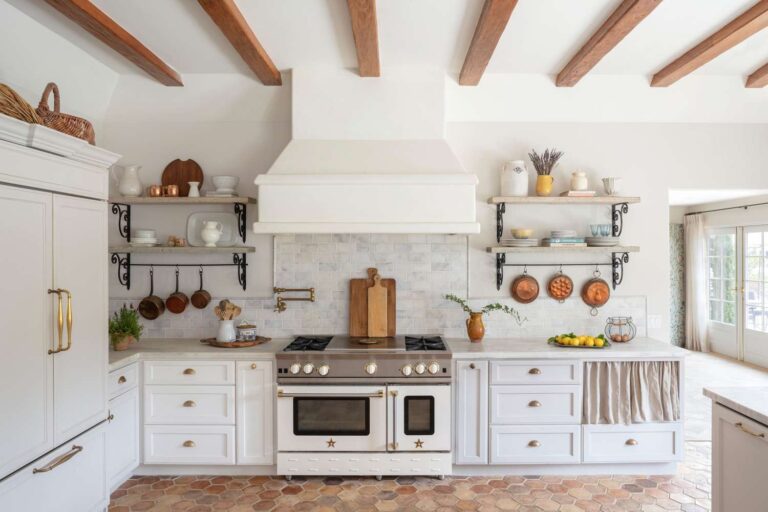
Open shelving continues to provide an attractive alternative to fully enclosed upper cabinetry. Instead of filling shelves with every kitchen item, use them to create a carefully curated display. Stack attractive plates, arrange glasses, add cookbooks, and incorporate a few plants or ceramic pieces. Natural wood shelves can soften contemporary cabinetry, while metal brackets can introduce industrial character. The key is leaving enough empty space so the display feels intentional.
Open shelving also makes frequently used items easy to reach. If you prefer a cleaner look, combine a small section of open shelving with plenty of closed storage elsewhere in the kitchen.
13. Large Kitchen Windows

Large windows can transform a kitchen by bringing in natural light and connecting the interior with the outdoors. A generously sized window above the sink is a classic option, while floor-to-ceiling glazing can create a dramatic modern effect. Natural light can make cabinetry colors and countertop textures appear richer throughout the day.
Keep window treatments simple so they do not interfere with the brightness. If privacy is a concern, consider suitable shades or textured glazing. A window can also become a design feature in its own right, especially when framed with attractive cabinetry, natural stone, or a simple ledge for plants.
14. Curved Kitchen Features

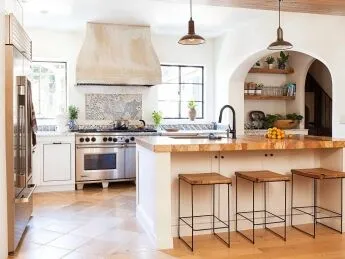
Curved kitchen features can soften the hard lines typically associated with cabinetry and countertops. Rounded islands, curved breakfast bars, arched shelving, and gently rounded cabinet details can create a more relaxed visual flow. A curved island can also make movement around the kitchen feel more natural when carefully planned.
Pair curved forms with simple materials so the shape remains the main feature. Wood, stone, and painted cabinetry can all work beautifully with rounded designs. This trend is especially appealing in contemporary homes where homeowners want something sculptural and distinctive without filling the room with excessive decorative elements.
15. Dedicated Beverage Station

A dedicated beverage station can make a kitchen more functional while creating a convenient area for coffee, tea, smoothies, or other drinks. Use a compact section of cabinetry with countertop space for a coffee machine or beverage appliance. Open shelves can hold mugs and glasses, while drawers can store accessories and supplies.
A contrasting backsplash or cabinet color can visually distinguish the station from the main kitchen. If space allows, include a small beverage refrigerator or sink. This setup can keep drink preparation separate from the main cooking zone, helping reduce congestion when several people are using the kitchen simultaneously.
16. Mixed Metal Kitchen Finishes

Mixing metal finishes can create a layered and personalized kitchen rather than requiring every fixture to match perfectly. Brass cabinet handles can work alongside a black faucet, stainless-steel appliances, or bronze lighting fixtures when the combination is thoughtfully coordinated. The trick is repeating each finish enough to make it feel intentional. Choose one dominant metal and one or two supporting finishes rather than introducing too many competing options.
Mixed metals can work particularly well in modern farmhouse, transitional, and contemporary kitchens. This approach adds subtle visual interest while allowing different fixtures and hardware to feel connected to the broader design.
17. Multifunctional Kitchen Workspaces

Modern kitchens increasingly need to support more than cooking. A multifunctional workspace can include a small desk, charging station, homework area, laptop zone, or flexible island seating. Built-in outlets and drawers can keep technology accessories organized, while comfortable seating allows the area to serve multiple purposes.
A dedicated work zone can be tucked into a cabinet wall or integrated into the end of an island. Good lighting is essential for reading and computer tasks. The key is creating a space that can transition smoothly between cooking, working, studying, planning meals, and spending time with family.
18. Statement Backsplash Designs

A statement backsplash can give a kitchen a strong focal point without requiring extensive decorative elements elsewhere. Large-format stone, dramatic veining, handmade tiles, textured surfaces, and geometric patterns can all create visual impact.
Extending the backsplash higher behind the range can make the cooking area feel more substantial and intentional. If the backsplash features a strong pattern, balance it with simpler cabinetry and countertops. A subtle textured tile can work beautifully in a minimalist kitchen, while dramatic stone suits a more luxurious design. The backsplash should be practical as well as attractive, so consider cleaning requirements and durability before selecting your material.
Kitchen trends in 2025 focus on creating spaces that feel warm, personal, practical, and visually interesting. Natural wood, earthy colors, bold cabinetry, statement islands, layered lighting, textured surfaces, and integrated appliances can work together to create a balanced design. Smart storage also plays an important role, helping busy kitchens remain organized despite their many daily uses. You do not need to adopt every trend to create a contemporary space.
Choose features that suit your home, lifestyle, available space, and personal taste. With thoughtful planning, these ideas can help you design a kitchen that feels stylish today while remaining functional and inviting for years ahead.