A kitchen wall is more than an empty surface waiting for decoration. I love using this area to add personality, storage, color, and practical features that make everyday cooking easier. The right wall design can completely change how a kitchen feels without requiring a full renovation.
Open shelves, artwork, wall lights, cabinets, plants, and creative displays can all make a noticeable difference. In this article, I’m sharing kitchen wall ideas that combine beauty with useful function. You’ll find options for large kitchens, small spaces, modern interiors, and cozy homes, making it easier to choose an idea that suits your space and personal style.
1. Open Kitchen Wall Shelves

Open shelves are one of my favorite ways to make a kitchen wall useful and attractive. They provide an easy place to store plates, bowls, mugs, jars, and cookbooks while keeping everything visible. Wooden shelves can add warmth, while white or black shelves can create a more modern appearance.
I like mixing practical kitchenware with a few decorative pieces such as small plants or ceramic vases. Leave some empty space between objects so the wall does not feel crowded. This idea works particularly well when you want extra storage without installing another large cabinet.
2. Kitchen Wall With Artwork

Artwork can make a plain kitchen wall feel much more personal. I like using food illustrations, botanical prints, abstract pieces, or simple vintage-style kitchen artwork. A large framed print can become a focal point, while several smaller pieces can create a relaxed gallery-style display. Choose frames that coordinate with your kitchen hardware or cabinet colors for a more connected look.
If the wall is near the dining or breakfast area, artwork can help make the space feel more like a comfortable living area. Keep the pieces away from areas exposed to excessive heat or cooking splashes.
3. Modern Kitchen Accent Wall

A kitchen accent wall can give the room a strong visual focal point without changing every surface. I like using a different paint color, textured material, tile, or wood paneling to create contrast. Deep green, navy, warm beige, charcoal, and muted terracotta can all work beautifully in modern kitchens. If your cabinets are simple, an accent wall can provide much-needed personality.
Keep nearby decorations relatively minimal so the wall remains the main feature. This approach is also useful when you want to define a specific area, such as a breakfast corner or dining space.
4. Kitchen Wall With Floating Shelves

Floating shelves create a clean appearance because they do not have visible brackets. I like using two or three shelves on an empty kitchen wall to display everyday dishes alongside decorative items. Natural wood shelves add warmth and pair beautifully with white cabinets, while dark shelves can create a dramatic modern contrast.
Use different heights and shapes when styling the shelves to keep the arrangement interesting. You can also dedicate one shelf to frequently used items and another to decoration. This provides practical storage while giving an otherwise empty wall a polished appearance.
5. Kitchen Wall With Large Clock

A large wall clock can be both decorative and useful in a kitchen. I like oversized clocks because they fill an empty wall without requiring several small accessories. Choose a design that matches your kitchen style, such as a simple black clock for a modern room or a wooden clock for a farmhouse-inspired space.
Place it somewhere easily visible while cooking or eating. If the wall already has shelves or artwork, keep the clock area relatively simple. A well-chosen clock can become an attractive focal point while helping you keep track of cooking times and busy mornings.
6. Kitchen Wall With Plants

Plants can bring natural color and freshness to a kitchen wall. I especially like using small herb pots because they can look attractive while also being useful during cooking. Wall-mounted planters, hanging pots, and small shelves can all create a simple green display. Herbs such as basil, mint, rosemary, and thyme can work well when the conditions are suitable. If your kitchen receives limited sunlight, choose plants that tolerate lower-light conditions.
Combine greenery with natural wood or ceramic containers for a warm appearance. A few carefully positioned plants can soften the hard surfaces commonly found in kitchens.
7. Kitchen Wall With Pegboard

A pegboard can turn an unused kitchen wall into flexible storage. I like this idea because hooks, shelves, and holders can be moved around whenever your needs change. You can hang cooking utensils, cutting boards, measuring cups, mugs, and small baskets in one organized area. Painting the pegboard to match the kitchen can make it feel like part of the overall design rather than purely functional storage.
Wood pegboards create a warm appearance, while painted versions can look more contemporary. This solution is especially helpful in small kitchens where every available wall needs to serve a purpose.
8. Kitchen Backsplash Wall

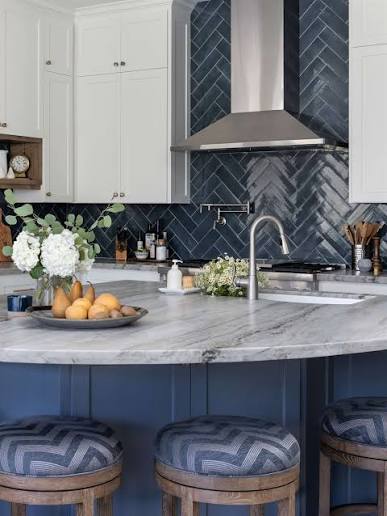
A backsplash can turn one of the most practical kitchen walls into a major design feature. I like subway tiles for a timeless appearance, while patterned tiles can create a more decorative focal point.
Marble-look surfaces, natural stone, and large-format tiles can provide a modern feel with fewer visible grout lines. Consider how the backsplash works with the cabinets, countertops, and hardware before selecting a material. Since this area is exposed to cooking splashes, choose a surface that is suitable for kitchen use and easy to maintain. A beautiful backsplash can add style while protecting the wall.
9. Kitchen Wall With Wooden Paneling

Wood paneling can instantly add warmth and texture to a kitchen wall. I like using it as an accent behind a dining nook, coffee station, or open shelving area. Light wood creates an airy Scandinavian appearance, while darker wood can make the room feel richer and more dramatic.
Vertical panels can also draw the eye upward and make the wall feel taller. Keep the surrounding colors relatively simple so the wood remains noticeable. If natural wood is not practical for your kitchen, wood-look panels can offer a similar visual effect while fitting your budget and maintenance preferences.
10. Kitchen Wall With Cabinets

Wall cabinets are one of the most practical ways to make a kitchen wall work harder. I like using them to store items that I do not want sitting on open shelves. Floor-to-ceiling cabinetry can maximize storage in a compact kitchen, while a combination of upper cabinets and open shelving can create a lighter appearance. Choose cabinet fronts that coordinate with the rest of the kitchen for a seamless look.
Glass-front doors can also provide a decorative display area for attractive dishes. Good cabinet planning can make the kitchen look cleaner while giving you plenty of organized storage.
11. Kitchen Wall Coffee Station

A kitchen wall coffee station can create a dedicated place for your morning routine. I like combining a small countertop area with floating shelves for mugs, coffee jars, and accessories. A framed coffee print or small plant can add personality without taking up useful counter space.
If the kitchen is compact, wall-mounted storage can keep everything organized while leaving the countertop relatively clear. Choose materials that coordinate with your existing kitchen finishes. This idea is particularly appealing if you drink coffee every day because it gives one small area a clear purpose while adding charm to the room.
12. Kitchen Wall With Plate Display

Displaying plates on the wall can create a charming decorative feature while showcasing pieces you enjoy. I like arranging plates in different sizes around a central piece to create a balanced composition. Handmade ceramics, vintage plates, or colorful designs can work particularly well.
Keep the colors connected to your kitchen so the display feels intentional rather than random. Use appropriate wall-mounting hardware designed for plates and make sure each piece is securely supported. This idea works beautifully above a dining nook, sideboard, or open section of wall that needs some visual interest.
13. Kitchen Wall With Chalkboard

A chalkboard wall can add a playful and practical element to the kitchen. I like using it for grocery lists, meal plans, reminders, recipes, or simple drawings. You do not need to cover an entire wall; a small framed chalkboard can provide the same function in a more compact space.
A dark chalkboard surface can also create attractive contrast against white cabinets. If you have children, it can become a fun creative area. Keep it away from areas where grease and water frequently reach the wall so it remains easy to clean and enjoyable to use.
14. Kitchen Wall Spice Rack

A wall-mounted spice rack can make cooking easier while freeing up valuable cabinet and countertop space. I like displaying matching spice jars on narrow shelves because the arrangement looks organized and makes ingredients easy to find. You can label the containers for quick identification and arrange them alphabetically or according to how often you use them.
Wooden shelves can create a warm appearance, while metal racks can suit a modern or industrial kitchen. Place the rack in a convenient location, but avoid positioning spices directly beside strong heat sources where temperature and moisture could affect them.
15. Kitchen Wall With Mirror

A mirror can make a kitchen feel brighter and visually larger, especially when placed strategically. I like using a decorative mirror on a wall opposite a window because it can reflect available natural light. Arched, round, rectangular, and vintage-style mirrors can each create a different mood. Choose a frame that coordinates with your hardware or surrounding finishes.
A mirror can work especially well near a breakfast nook or dining area. Just consider splashes and heat when choosing its location. With the right placement, a mirror can become both a decorative feature and a useful visual trick.
16. Kitchen Wall With Hanging Utensils

Hanging utensils on the wall can make frequently used cooking tools easy to access while adding a practical decorative element. I like using a simple rail with hooks for wooden spoons, spatulas, ladles, and other tools. Keeping similar utensils together makes the arrangement look more organized.
A brass, black, or stainless-steel rail can complement different kitchen styles. Position it close enough to the cooking area to be useful but away from locations where it could interfere with movement. This is an excellent solution when you want functional wall storage that does not require another cabinet.
17. Kitchen Wall With Vertical Storage

Vertical storage is especially helpful when a kitchen has limited floor space. I like using tall narrow shelves or cabinets to take advantage of unused wall height. This area can hold baking supplies, pantry containers, cutting boards, cookbooks, or serving dishes. A tall storage unit can also visually draw the eye upward, making the kitchen feel more spacious.
Choose a narrow design if the walkway is tight. Combining closed storage with a few open shelves can provide both organization and decoration. This approach makes an overlooked wall useful without requiring additional floor space.
18. Kitchen Wall With Gallery Display

A gallery wall can give a kitchen plenty of personality. I like mixing framed artwork, botanical prints, small photographs, and decorative pieces to create a collection that feels personal. Keep a common color or frame style running through the display so the different pieces look connected.
A gallery wall works especially well near a dining table or breakfast area because it makes the kitchen feel more like a social space. Before hanging everything, arrange the pieces on the floor to test the composition. This makes it easier to create balanced spacing before committing to the wall.
19. Kitchen Wall With Built-In Niche

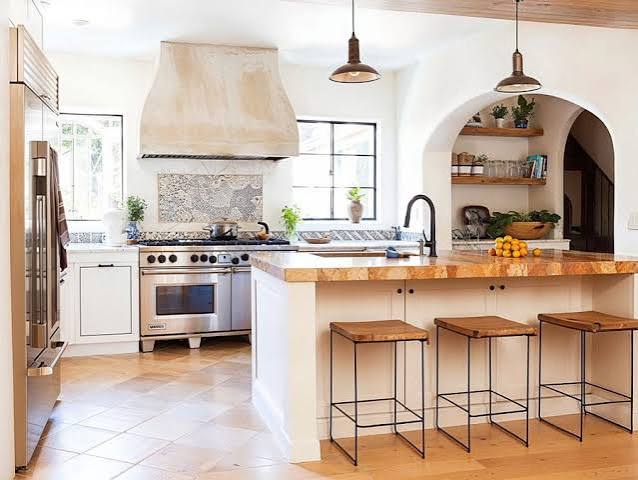
A built-in wall niche can provide useful storage without projecting into the kitchen. I like recessed niches for displaying spices, oils, dishes, cookbooks, or decorative objects. They can be particularly useful in areas where adding a standard shelf would make the walkway feel narrower.
You can finish the niche with tile, stone, wood, or paint to make it stand out. Small integrated lighting can also highlight the contents. Since this is a more permanent feature, plan the size carefully around the items you intend to store. A well-designed niche can look custom and highly practical.
20. Kitchen Wall With Peg Rails

A simple peg rail can add flexible storage to an empty kitchen wall. I like using peg rails for mugs, kitchen towels, cutting boards, baskets, and lightweight utensils. Wood versions create a warm and relaxed look, while painted rails can coordinate with colorful kitchens. Because the hooks can be repositioned, you can change the arrangement as your storage needs evolve.
A peg rail also takes up very little visual space compared with a cabinet. Add a small shelf above it if you need additional display space. This combination can create a practical and attractive wall organization system.
21. Kitchen Wall With Statement Tile

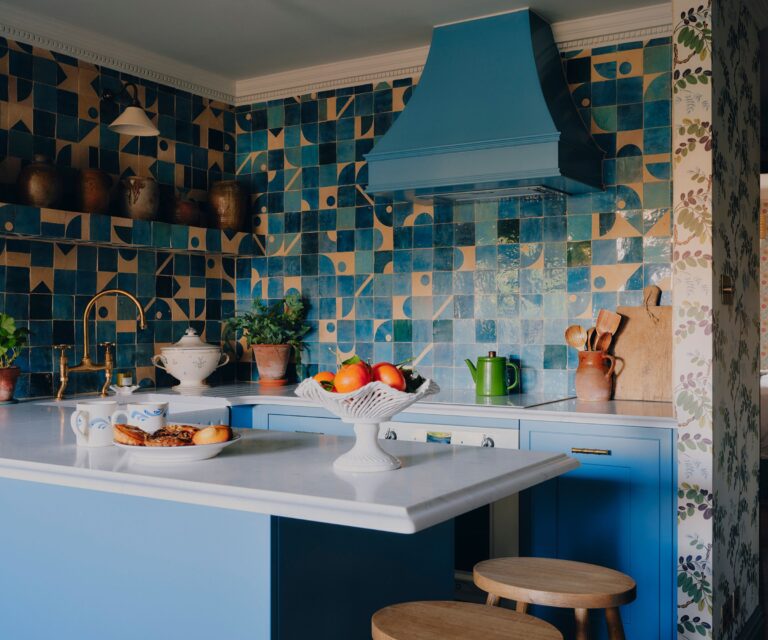
Statement tile can turn a kitchen wall into an eye-catching focal point. I like using patterned, geometric, handmade-look, or colorful tiles in one specific area rather than covering every wall. This creates visual interest while keeping the overall kitchen balanced.
If your cabinets are neutral, a bold tile can introduce personality and color. For a calmer appearance, choose subtle variations in texture or tone instead of strong patterns. Make sure the tile works with the countertop and cabinet finishes. A statement wall can make a big difference without requiring changes throughout the entire kitchen.
22. Kitchen Wall With Dining Nook

A dining nook can transform an unused kitchen wall into a comfortable place for meals and conversation. I like pairing a built-in bench with a small table and adding artwork, shelves, or wall lighting above the seating area. Cushions can make the bench more comfortable while introducing color and texture.
A round table can work especially well in a compact corner because it allows easier movement around the seating area. Add a pendant light above the table to make the nook feel separate and intentional. This setup can turn an overlooked wall into one of the coziest parts of the kitchen.
23. Kitchen Wall With Warm Lighting

Wall lighting can add both function and atmosphere to a kitchen. I like using sconces above open shelves, beside artwork, or near a breakfast nook to create focused pools of light. Warm bulbs can make the kitchen feel especially inviting during evenings, while simple fixtures can complement a modern design.
Black, brass, chrome, and ceramic sconces can each create a different appearance. If the wall already contains decorative elements, choose lighting that complements rather than competes with them. Thoughtful wall lighting can highlight your favorite features while making the kitchen more comfortable after dark.
A kitchen wall can completely change the character of your space when it combines useful features with thoughtful decoration. I love using walls for storage, artwork, lighting, plants, shelves, and personal displays because these additions can make everyday kitchen activities feel more enjoyable. Even a small change, such as adding a floating shelf or attractive wall light, can create a noticeable difference.
The best idea depends on your kitchen size, layout, storage needs, and personal taste. Start with one wall that feels unfinished and choose a feature that serves a clear purpose. With simple planning, your kitchen walls can become stylish, practical, and welcoming.