A kitchen chimney can be much more than a practical appliance. It can become an important design feature that gives the cooking area a polished and finished appearance.
I love seeing how different chimney styles work with cabinets, backsplashes, countertops, and lighting to create a kitchen that feels complete. The right design can also help maintain a cleaner cooking environment while adding character to the room. These kitchen chimney ideas cover modern, classic, rustic, minimalist, and statement styles, giving you plenty of inspiration for your next makeover. With thoughtful planning, your chimney can blend beautifully into the kitchen while serving an important everyday purpose.
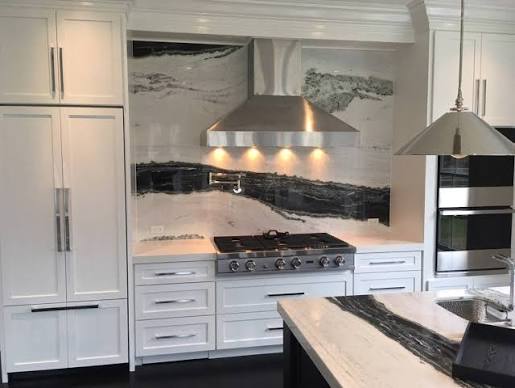
1. Sleek Stainless Steel Kitchen Chimney

A stainless steel kitchen chimney is a classic choice that works especially well in modern kitchens. Its clean surface pairs easily with stainless steel appliances, white cabinets, dark cabinetry, and contemporary countertops. I like this option because it gives the cooking area a professional appearance without adding too much visual detail.
A wall-mounted stainless steel model can also become a subtle focal point above the stove. Choose a size that properly covers your cooking surface and consider a design with simple controls for a clean, uncluttered appearance.
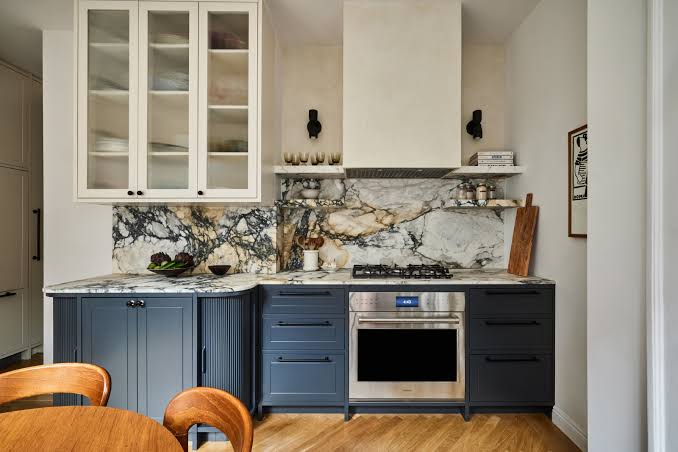
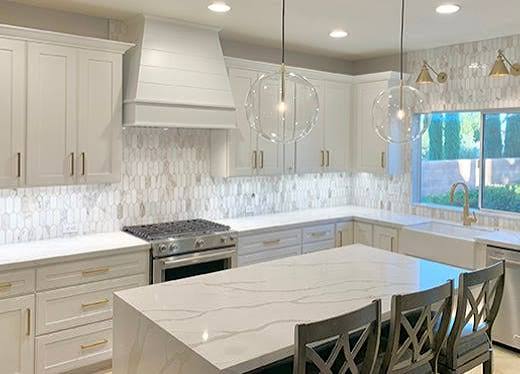
2. White Plaster Kitchen Chimney

A white plaster chimney can give the kitchen a soft, architectural appearance. Instead of looking like a separate appliance, a custom hood can blend into the wall and surrounding cabinetry. I especially like this style in kitchens with white, cream, or warm neutral cabinets because the chimney becomes part of the overall structure.
Decorative trim can create a traditional look, while a simple rectangular shape feels more modern. Since plaster requires careful installation and finishing, make sure the ventilation equipment underneath is properly fitted before the exterior is completed.
3. Wood Range Hood

A wood range hood can instantly make a kitchen feel warmer and more inviting. Natural oak, walnut, or painted wood can be used to create a hood that matches cabinets or contrasts with them.
I like pairing a wood chimney with white cabinets because the combination creates a balanced mix of warmth and brightness. A simple box-style hood works beautifully in modern spaces, while decorative trim can give it a farmhouse or traditional feel. Make sure the material and construction are suitable for the heat and ventilation requirements of your cooking area.
4. Black Kitchen Chimney

A black kitchen chimney can create a dramatic focal point without requiring major changes throughout the room. Matte black works particularly well with white cabinets, light countertops, natural wood, and brass hardware.
I like this idea when the kitchen needs stronger contrast because the dark hood naturally draws attention toward the cooking area. A streamlined black chimney can also suit industrial and minimalist interiors. To keep the design balanced, repeat small black details elsewhere, such as cabinet handles, lighting fixtures, window frames, or bar stools.
5. Copper Kitchen Chimney

A copper chimney can bring warmth and personality to a kitchen makeover. Its naturally rich appearance works beautifully with cream cabinetry, natural wood, stone countertops, and warm lighting. I especially like copper hoods in rustic, farmhouse, Mediterranean, and traditional kitchens where a little visual character feels appropriate.
You can choose a polished finish for a brighter appearance or a more aged finish for a relaxed look. Since copper can develop a changing surface over time, consider how that natural aging will work with the rest of your kitchen materials.
6. Custom Built-In Kitchen Chimney

A built-in chimney allows you to create a seamless appearance around the cooking area. The ventilation insert can be concealed inside cabinetry or a custom hood structure, making the appliance less visually dominant. I like this solution for kitchens where you want clean lines and a coordinated design.
The exterior can use wood, plaster, tile, or another finish that matches the surrounding cabinetry. Careful planning is important because the cabinet dimensions, ventilation system, electrical connections, and cooking surface all need to work together.
7. Farmhouse Kitchen Chimney

A farmhouse-style chimney can become a charming centerpiece in a warm and comfortable kitchen. Shiplap, painted wood, decorative trim, and natural materials can help create the relaxed character associated with farmhouse interiors. I like pairing a white or cream hood with shaker cabinets, butcher-block surfaces, and simple pendant lights.
A wooden beam or rustic shelf nearby can reinforce the look without making the room feel overly themed. The goal is to keep the chimney visually attractive while ensuring the overall kitchen remains practical for everyday cooking.
8. Modern Minimalist Kitchen Chimney

If you prefer a clean and uncluttered kitchen, a minimalist chimney could be an excellent choice. Look for a simple design with smooth surfaces, limited detailing, and a finish that blends with the surrounding cabinetry or wall. I like minimalist hoods because they allow other features, such as a beautiful countertop or backsplash, to receive attention.
White, black, stainless steel, and neutral finishes can all work well. Keep the area around the chimney simple so the overall design feels intentional rather than visually crowded.
9. Arched Kitchen Chimney

An arched chimney can add softness and architectural interest to a kitchen. The curved shape works particularly well in traditional, Mediterranean, cottage, and transitional interiors.
I like using an arched hood as a focal point above a large cooking range, especially when it is finished in plaster, painted wood, or another warm material. Keep the surrounding cabinets relatively simple so the curve remains noticeable. You can also repeat rounded shapes through pendant lights, mirrors, or furniture to make the design feel more connected.
10. Kitchen Chimney With Decorative Trim

Decorative trim can turn an ordinary kitchen chimney into a more elegant architectural feature. Crown molding, panel details, brackets, or subtle framing can make a hood feel like a custom part of the kitchen.
I particularly like this idea with shaker cabinets and traditional hardware because the details create a cohesive appearance. Keep the trim proportional to the kitchen so it does not overwhelm the space. If the cabinets already have decorative details, repeat similar lines around the chimney to make the entire wall feel intentionally designed.
11. Kitchen Chimney With Open Shelves

Combining a chimney with open shelves can create a balanced and practical cooking wall. Shelves placed beside the hood can hold spices, cooking oils, plates, pottery, or decorative pieces.
I like this arrangement because it keeps useful items within reach while giving the cooking area a more personalized appearance. Use materials that coordinate with the chimney, such as natural wood shelves beside a wood hood. Keep the shelves organized and avoid placing delicate items too close to the cooking surface where grease and heat could become a concern.
12. Statement Stone Kitchen Chimney

A stone chimney can make the cooking area feel substantial and luxurious. Natural stone, stone-look materials, or carefully selected tile can create a strong focal point above the range.
I like this idea in kitchens that already use stone countertops or backsplashes because repeating the material creates visual continuity. If the stone has strong veining or texture, keep the cabinets relatively simple so the hood does not compete with too many other details. A stone statement hood can work especially well in Mediterranean, rustic, transitional, and high-end kitchen designs.
13. Brass Kitchen Chimney
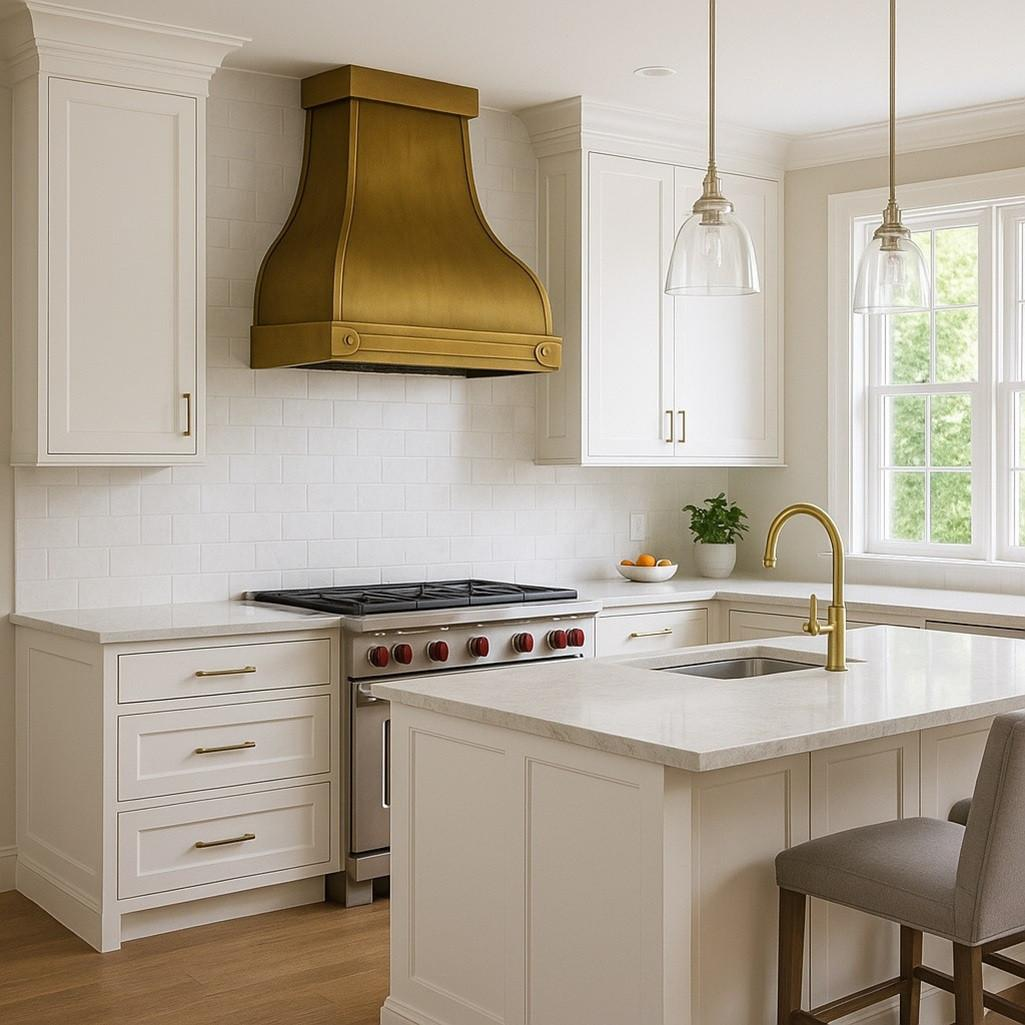
A brass chimney can bring warmth and a little luxury into the cooking area. It works beautifully with cream cabinets, dark green cabinetry, marble surfaces, and warm wood.
I like using brass when the kitchen needs a statement feature but still needs to feel welcoming rather than overly formal. A brushed or aged finish can provide a softer appearance than highly polished metal. Coordinate the hood with cabinet handles, faucets, or pendant lighting for a consistent look. Just one strong brass feature can make a neutral kitchen feel much more distinctive.
14. Kitchen Chimney With Tile Surround

A tiled chimney surround can create a beautiful connection between the hood and backsplash. You can use subway tiles, handmade-look tiles, patterned ceramics, or natural stone to give the cooking wall more texture.
I like using the same tile across the backsplash and chimney because it creates a continuous appearance. Another option is framing the hood with a contrasting tile to make it stand out. Choose a surface that is practical for the cooking environment and easy to clean so the design remains attractive with regular use.
15. Vent Hood With Exposed Brick

An exposed brick chimney wall can give a kitchen plenty of character. The textured surface works especially well with industrial, rustic, farmhouse, and modern eclectic designs. I like pairing brick with simple cabinets, metal hardware, wood shelving, and understated lighting. If real exposed brick is not practical, brick-look tile can create a similar visual effect.
Keep the hood itself relatively simple so the brick remains the main feature. A restrained combination of materials can make the cooking area feel warm and interesting without becoming visually overwhelming.
16. Concealed Kitchen Chimney

A concealed chimney is ideal if you want the kitchen to have a streamlined appearance. The ventilation unit can sit inside cabinetry or a custom enclosure, allowing the hood to blend into the surrounding design. I like this option for minimalist kitchens because it keeps the cooking wall visually quiet.
It can also work beautifully in smaller kitchens where a large exposed appliance might make the room feel crowded. Before choosing this approach, make sure the cabinet design allows enough space and follows the ventilation requirements of the selected system.
17. Oversized Statement Kitchen Chimney

An oversized chimney can completely transform the cooking area into a dramatic focal point. This style works best in larger kitchens where there is enough visual space for a substantial hood.
I like oversized designs made with plaster, stone, wood, or metal because they can give the room a custom architectural feel. When using a large chimney, keep the surrounding cabinetry and accessories relatively simple. This allows the hood to remain the star. Proper proportions are important, so the size should relate to the cooking surface and overall dimensions of the kitchen.
A kitchen chimney can shape the entire look of your cooking space while providing an important practical function. I love how a simple stainless steel design can create a modern appearance, while wood, plaster, stone, or copper can bring warmth and character. The best choice depends on your kitchen layout, cooking habits, cabinet style, and personal taste.
Think carefully about ventilation, proportions, maintenance, and the materials surrounding the chimney before making your final decision. With the right design, this practical feature can become a beautiful focal point that makes your kitchen feel more polished, comfortable, and welcoming.